#Federal Reserve
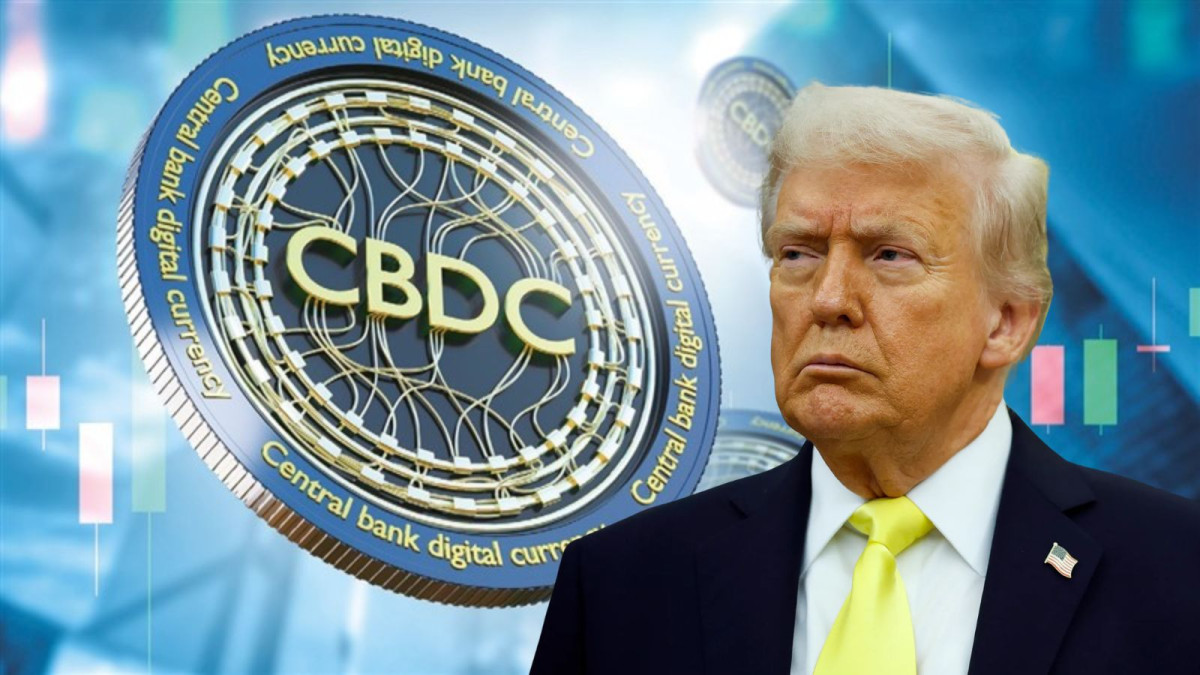
Housing Bill Containing CBDC Ban Becomes Law Without Trump's Signature

A major housing bill, the 21st Century ROAD to Housing Act, which contains a provision prohibiting the Federal Reserve from creating a central bank digital currency (CBDC), has become law without the president's signature.
The 21st Century ROAD to Housing Act, which was sent to the White House, was not signed by President Trump despite receiving overwhelming bipartisan support in both the House of Representatives and the Senate. The bill passed the House by a vote of 358 to 32 and the Senate by a vote of 85 to 5.
Despite the wide margin of support in Congress, President Trump declined to sign the bill, saying he did so in protest of lawmakers' failure to pass separate election legislation.
"I will not sign the Housing Bill, which has been fully approved by Congress and sent to the White House, in PROTEST over the fact that the United States Senate is not capable of passing THE SAVE AMERICA ACT," Trump wrote on Truth Social.
Trump had repeatedly urged Congress to pass the SAVE America Act, which would require proof of citizenship to vote in federal elections and impose voter identification requirements. However, the bill failed to secure the 60 votes needed to advance in the Senate.
Under the U.S. Constitution, a bill becomes law without the president's signature if the president neither signs nor vetoes it within 10 days, excluding Sundays, while Congress remains in session. Because the 21st Century ROAD to Housing Act was sent to the White House in late June and the 10-day period expired while Congress was still in session, it became law without the president's signature.
How the Bill Affects Crypto
While the core of the bill was housing affordability, it included a provision that prevents the Board of Governors of the Federal Reserve System and the regional Federal Reserve Banks from issuing or creating a central bank digital currency (CBDC), either directly or indirectly through an intermediary.
The law also makes clear that nothing in the legislation should prevent an "open, permissionless, and private United States dollar-denominated currency" designed to preserve privacy protections similar to those of physical cash.
Although the ban on a CBDC is not permanent and will remain in effect through December 31, 2030, the bill's passage is noteworthy because it marks the first time the U.S. Congress has passed a law explicitly barring the Federal Reserve from issuing a central bank digital currency.
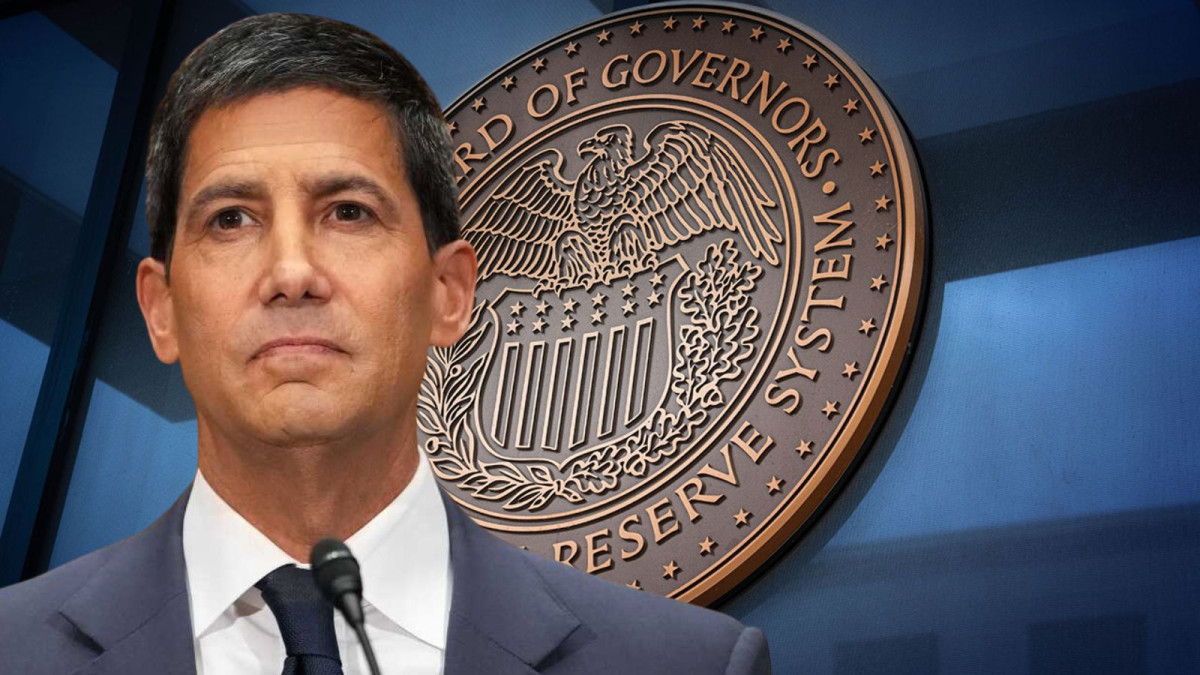
Pro-Crypto Kevin Warsh Confirmed as Fed Chair

The U.S. Senate confirmed Kevin Warsh as the next chair of the Federal Reserve on Wednesday, handing President Donald Trump a long-sought win and putting one of the most crypto-sympathetic figures in recent memory at the helm of the world's most powerful central bank.
The final tally was 54-45, and it wa a bit too close for comfort. In fact, it was the most partisan confirmation vote for a Fed chair in modern history, with only Pennsylvania Democrat Sen. John Fetterman crossing the aisle to support Warsh's nomination. The near party-line split underscores just how politically charged the Federal Reserve has become under Trump, who spent much of the past year publicly haranguing outgoing Chair Jerome Powell for not cutting rates fast enough.
A Confirmation That Almost Wasn't
Getting Warsh to this point was a rocky path. The nomination process stretched over months, at one point stalling entirely when Sen. Thom Tillis (R-NC) refused to let the confirmation advance until the Justice Department dropped a criminal investigation into Powell. That probe, led by DC U.S. Attorney Jeanine Pirro, centered on alleged cost overruns at the Fed's Washington headquarters. A federal judge had ruled the investigation was essentially a pretext to pressure Powell into cutting rates or resigning.
The DOJ eventually closed the probe, clearing the path for Warsh. Though Pirro left the door open to reopening the case if the Fed's inspector general turns up evidence of wrongdoing. For now, the drama is over, and Warsh has his confirmation.
What Warsh Means for Crypto
Warsh isn't exactly a crypto maximalist. He has, at times, referred to certain digital asset projects as fraudulent or worthless. But his disclosed investments tell a deeper story. Earlier this year it emerged he holds positions in Polymarket, the decentralized prediction market, and Solana. He has also stated that Bitcoin "does not make me nervous," a phrase that might seem understated but represents a meaningful shift from the posture of most previous Fed leadership.
During his Senate confirmation hearing in April, Warsh told Sen. Cynthia Lummis (R-WY) that digital assets are "already part of the fabric of our financial services industry" and affirmed he believes they should be incorporated into America's broader financial ecosystem. That was enough for Lummis, one of the most vocal pro-crypto voices in Congress, who said after the vote that digital asset holders "finally have a leader at the Fed who is ready to deliver."
The CFTC's chairman Mike Selig, who has defended prediction markets against a string of state-level lawsuits this year, also welcomed the Warsh confirmation, saying he looked forward to working together. That kind of interagency alignment on digital assets would represent a notable departure from the fragmented, sometimes hostile regulatory environment crypto has dealt with in recent years.
Juan Leon, a senior investment strategist at Bitwise, put the significance plainly: "Kevin Warsh is the first Fed Chair to endorse Bitcoin and describe it as a useful signal for policymakers, reflecting a shift in institutional legitimacy for crypto. While he's known as an inflation hawk, his stated belief that rates can move lower as a result of AI-driven productivity gains provides a plausible path to more accommodative liquidity conditions for crypto assets."
Rate Cuts: Don't Hold Your Breath
Here's where things get complicated. Trump has made no secret of what he expects from Warsh, having reportedly joked earlier this year that he'd sue him if rates don't come down. But market expectations have shifted sharply, and not in the president's favor.
Fresh inflation data released Tuesday showed consumer prices rose 3.85% in the 12 months through April, the highest reading since May 2023 and well above the Fed's 2% target. Traders are pricing in essentially no rate cuts for the rest of the year; some are even calling for a hike, largely because energy prices have climbed sharply following escalating tensions in the Middle East that have snarled tanker traffic in the Strait of Hormuz.
Warsh himself has signaled some openness to easing, particularly if AI-driven productivity gains help cool inflation over time. But he's also a known inflation hawk from his first stint at the Fed between 2006 and 2011, when he was among those who felt post-crisis quantitative easing had gone too far. It's not entirely clear which Warsh shows up to that first FOMC meeting on June 16-17.
And it's worth noting: Warsh is just one of 12 votes on the Federal Open Market Committee. Even as chair, he doesn't have unilateral authority over rate decisions. Powell, for his part, will remain on the Fed's Board of Governors after Friday, when his term as chair expires, retaining his FOMC vote. It's an unusual arrangement, last seen nearly 80 years ago, and Powell has been explicit about his motivations: he wants to protect the institution from what he has described as "unprecedented" legal and political pressure.
A New Era, With a Lot of Asterisks
Warsh also takes the helm at a Fed dealing with serious internal turbulence. Federal Reserve Governor Lisa Cook is locked in a legal fight with the president, who is trying to remove her on allegations of mortgage fraud, a case now making its way toward the Supreme Court. Meanwhile, Warsh will have to divest significant holdings, as he's set to become the wealthiest Fed chair on record, with a portfolio well north of $100 million.
Bitcoin barely reacted to the confirmation news, trading around $79,500 in the hours following the Senate vote, according to CoinGecko. But the longer-term implications could be meaningful. Whether or not rate cuts materialize, Warsh's ascent signals a growing institutional acceptance of digital assets at the highest levels of American financial policy. For a sector that has spent years fighting for legitimacy, that's not nothing.
Kraken Moves Into Regulated Crypto Custody

Payward, the parent company of the crypto exchange Kraken, has filed an application with the Office of the Comptroller of the Currency (OCC) seeking to establish a national trust company.
If approved, the OCC will grant Payward federal fiduciary powers under the U.S. Trust Powers statute to establish the Payward National Trust Company (PNTC), allowing Payward to provide custodial services to institutional clients and individuals seeking regulated bank level custody and trust services for digital assets. Payward aims to leverage its existing infrastructure, risk management systems, compliance programs, and regulated affiliates to deliver institutional grade, secure, and compliant custodial services.
Speaking on the OCC application, Arjun Sethi, Co CEO of Payward and Kraken, said, “Our long held belief has always been that the right path forward for digital assets runs through robust, transparent regulation. A national trust company provides the certainty institutions require and establishes the infrastructure to build the next generation of custody. This is not about being first. It is about getting the framework right so markets can scale with clarity, interoperability, and a long term vision for what clients will demand as these systems mature.”
The OCC application builds on the regulatory foundation that Payward has already established through Kraken Financial, one of its entities. Through Kraken Financial, Kraken achieved several milestones, including becoming the first crypto company to receive a Wyoming Special Purpose Depository Institution charter. This allowed Kraken Financial to operate as a separate entity and become the first digital asset bank to gain access to the Federal Reserve payment system.
“Kraken Financial and what we are building with the OCC are complementary pillars of Payward’s regulated banking strategy aimed at advancing an efficient and accessible digitally native financial system,” said Arjun Sethi, Payward and Kraken co CEO.
“Our Wyoming SPDI and Federal Reserve master account represent a genuinely unique foundation, and the addition of a national trust company expands what we can offer our clients under an evolving U.S. regulatory framework.”
Kraken Joins Race to Offer Custodial Services
Payward is not the first crypto company to file an application with the Office of the Comptroller of the Currency, as companies like Ripple, BitGo, Stripe, Crypto, and Coinbase have also filed, with some receiving conditional approvals to provide custodial services.
Morgan Stanley Digital Trust also filed an application with the Office of the Comptroller of the Currency in February of this year, seeking approval to provide digital asset custody, with the application currently pending.
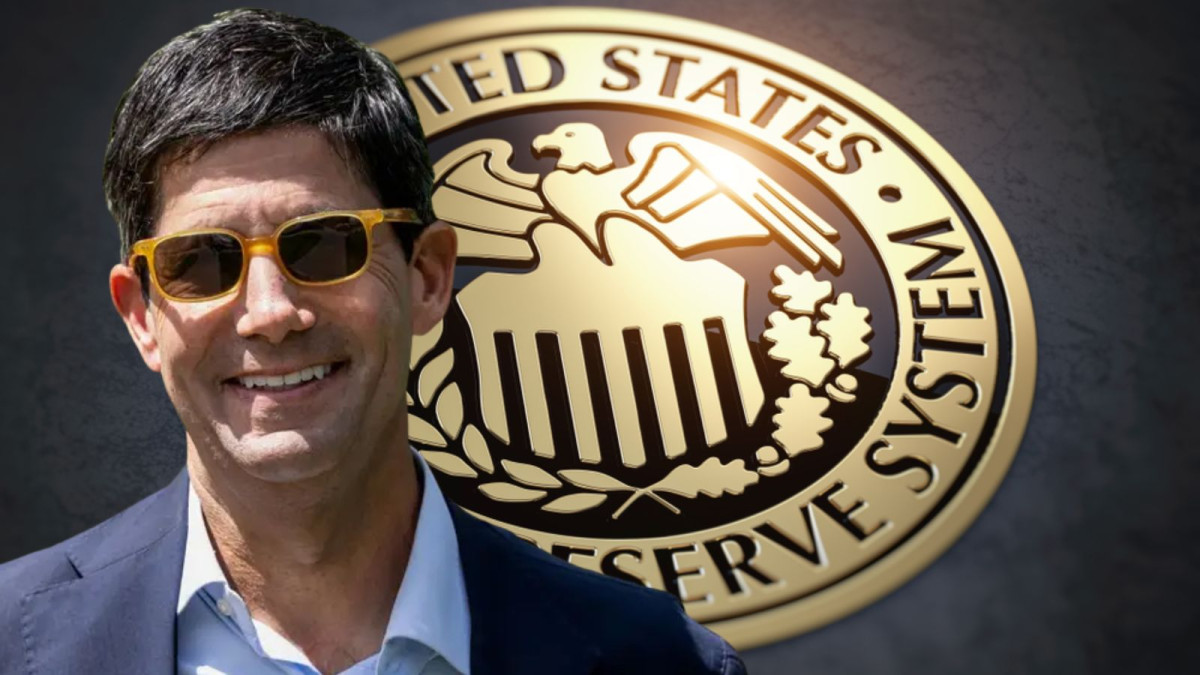
Fed Pick Kevin Warsh Brings Deep Crypto Knowledge

Most Fed chair nominations generate debate about interest rate philosophy, inflation targets, and balance sheet management. Kevin Warsh's confirmation is going to involve a lot of that, sure, but it is also going to involve a fairly lengthy conversation about DeFi lending protocols, Ethereum Layer 2 networks, and a Bitcoin Lightning Network startup.
Warsh, President Trump's nominee to chair the Federal Reserve, cleared the last bureaucratic hurdle before his Senate confirmation hearing when he submitted his required financial disclosure to the U.S. Office of Government Ethics. The filing reveals combined assets with his wife of at least $192 million. But it's the crypto positions scattered throughout the document, held through a web of venture fund structures, that are drawing the most attention from the digital asset industry right now.
Not Just A Casual Holder
Warsh did not just pick up some bitcoin through a Coinbase account during the 2021 bull run and forget about it. Through two fund structures, DCM Investments 10 LLC (via a vehicle called Abstract Holdings) and a series of funds labeled AVF I, AVF II, AVF III, and AVGF I and II, he holds equity positions in more than two dozen blockchain and digital asset companies. The breadth is notable: DeFi lending, decentralized derivatives, Layer 1 and Layer 2 networks, prediction markets, crypto neobanks, and Bitcoin payments infrastructure.
On the DeFi and trading side, the portfolio includes Compound, one of the foundational algorithmic crypto lending protocols, alongside dYdX, a decentralized derivatives exchange, and Lighter, a decentralized exchange protocol. On the infrastructure side, he has exposure to Solana, the high-throughput Layer 1 blockchain, Optimism and Blast, two Ethereum scaling networks, and Zero Gravity, a Layer 2 AI blockchain platform. Bitcoin-specific holdings include Flashnet, a Lightning Network trading platform, and a direct position in the Lightning Network itself.
There are also positions in Polychain and Scalar Capital, two prominent crypto investment firms, plus Polymarket, the prediction market platform, and several crypto-enabled neobanks including OnJuno and Lemon Cash. Rounding it out: Dapper Labs (best known for NBA Top Shot), Friends With Benefits, a Web3 community platform, and Crossmint, an NFT developer tools company. Warsh also previously held a stake in Bitwise Asset Management, the issuer of one of the spot Bitcoin ETFs, though that position does not appear in the current filing.
Selling liquid token positions is straightforward. Unwinding LP stakes in Polychain or venture fund structures is not, and federal ethics rules generally impose a one-year cooling-off period on matters directly affecting recently divested financial interests. That creates a potentially awkward situation given what the Fed has on its plate.
Congress is actively working through stablecoin legislation that would define which institutions can issue and custody stablecoins, directly affecting DeFi protocols and crypto neobanks of the type in Warsh's portfolio. The Fed's supervisory stance on whether banks can custody digital assets remains one of the most contested open questions in the industry. And while political appetite for a U.S. CBDC has cooled considerably, the Fed's ongoing research in that area intersects with the payment network infrastructure Warsh holds exposure to through Lightning Network and Solana.
Could Be Some Complications
The broader financial profile adds another layer. Warsh earned $10.2 million in consulting fees from Duquesne Family Office, the investment arm of Stanley Druckenmiller, one of the more prominent macro investors in the crypto space. Additional consulting income came from GoldenTree Asset Management ($1.55 million), Cerberus Capital Management ($750,000), and Brevan Howard ($750,000), all firms with meaningful digital asset trading operations. His speaking fee circuit in just the first half of 2025 alone topped $780,000 from firms including TPG, State Street, and Warburg Pincus. Combined with spouse Jane Lauder's estimated $1.9 billion net worth, Warsh would enter the Fed as one of the wealthiest chairs in the institution's modern history.
Senate Banking Committee chair Tim Scott said Tuesday that a confirmation hearing is scheduled for next week. However, Senator Thom Tillis of North Carolina is blocking any final vote until the Justice Department drops its criminal investigation of current Fed Chair Jerome Powell, whose term expires May 15. The crypto portfolio will almost certainly come up in questioning.
On one hand, a Fed chair who has personally sought out exposure to DeFi protocols and blockchain infrastructure is unlikely to approach crypto with the indifference or hostility that has characterized past leadership. On the other, the mandatory divestiture and recusal obligations could actively limit his ability to influence policy in the industry's favor during his first year in office, precisely when some of the most consequential regulatory decisions are expected to land. It is a double-edged sword, and the confirmation hearing will be the first real test of how Warsh plans to navigate it.

Spot Bitcoin ETFs See $1.7B Inflows as Institutions Return

Spot Bitcoin exchange-traded funds have attracted roughly $1.7 billion in net inflows since February 24, ending a prolonged stretch of redemptions and renewing confidence that institutional buyers are stepping back in.
The reversal has been sharp. After months of steady outflows, nearly every major U.S. spot Bitcoin ETF is now recording net positive flows for 2026. That matters because ETF flow data has become, more than any other metric, the closest thing to a real-time read on institutional sentiment toward Bitcoin.
BlackRock's iShares Bitcoin Trust (IBIT) is doing most of the heavy lifting. On March 4 alone, IBIT absorbed $306.60 million, roughly 66% of that day's total inflows across all spot Bitcoin products. Since February 24, BlackRock has accumulated a net 21,814 BTC through the fund, valued at approximately $1.55 billion at current prices. Year-to-date, IBIT has added around $300 million in capital even as Bitcoin itself fell about 16% over the same period.
The timing is notable. Bitcoin has traded around $72,000 this week, bouncing from lows near $60,000 earlier in the year. That low represented a roughly 52% pullback from its all-time high of $122,000 reached last year — a correction that, by historical standards, was relatively contained. Past cycles saw declines of 80% to 90% from peak. The smaller drawdown this cycle has been widely attributed to the stabilizing influence of institutional ownership through regulated vehicles.
The inflow pattern itself tells a story. Exchange balances have stayed relatively flat while ETF custodians accumulate, suggesting the capital flowing in isn't being deployed through spot crypto exchanges. These are investors using traditional brokerage accounts and registered vehicles, the pension funds, registered investment advisors, and wealth managers who entered the market only after last year's ETF approvals made it operationally feasible.
Three consecutive days of $1.1 billion in net inflows at the end of February set the pace. IBIT alone captured roughly $652 million over that stretch. Fidelity's FBTC and Ark Invest's ARKB recorded positive flows too, though significantly smaller.
Whether the inflow trend holds depends partly on what happens at the Federal Reserve. On March 18, the Fed will announce its latest interest rate decision. Markets have been pricing in at least a pause in rate hikes after the central bank eased its tightening stance in late 2025, and any signal of cuts could accelerate flows into risk assets including crypto.
There's also the regulatory backdrop. The Digital Asset Market Clarity Act, which would formally divide crypto assets into SEC-regulated securities and CFTC-regulated commodities, remains stalled in the Senate after a markup was delayed in January with no rescheduled date. Clarity on that front would likely deepen institutional participation further. Until then, ETF flows remain the clearest signal of where the institutional money is going.
Right now, it's going into Bitcoin.
Revolut Files for U.S. Banking License

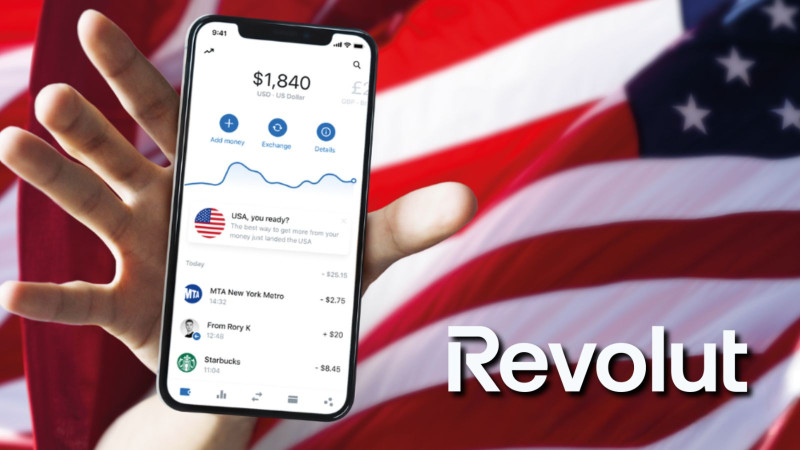
Fintech giant Revolut announced Thursday that it had officially filed for a U.S. banking license.
Revolut filed its application with both the Office of the Comptroller of the Currency and the Federal Deposit Insurance Corporation, seeking to operate across all 50 states under the name Revolut Bank US, N.A. The filing represents what the company is calling a "de novo" charter, meaning it's building a new banking entity from scratch rather than acquiring an existing institution.
As recently as January, Revolut had reportedly been exploring the acquisition of an existing U.S. bank, which would have been a faster path to full banking status. The company scrapped those plans in favor of the de novo route, a decision that likely reflects the OCC's growing willingness under the current administration to greenlight new entrants. The OCC has already granted conditional approval to several stablecoin issuers seeking bank charters, signaling a more permissive stance toward crypto-adjacent financial firms.
Approval of a charter would mark one of Revolut's biggest regulatory milestones outside Europe. The company already holds banking licenses across parts of Europe and secured a restricted U.K. banking license from the Prudential Regulation Authority in 2024, though it is still working through the mobilization phase required before that becomes a full license. The U.S. is a different beast entirely.
Right now, Revolut operates in the United States through a partnership with Lead Bank, a Kansas City-based institution. That arrangement gets the job done for basic accounts and payments, but it's a ceiling, not a foundation. A license would give Revolut direct access to payment networks such as Fedwire and the Automated Clearing House, systems that move trillions of dollars between banks each year.
More importantly, the charter would let Revolut shed its dependency on third-party partners entirely and start acting like a real bank. Customer deposits would be insured by the FDIC, strengthening trust and regulatory protection for users, and the company could begin offering credit cards and personal loans directly to consumers.
For a company that has built its reputation around being a financial super-app, the inability to offer federally insured deposits or extend credit in America has been a glaring gap. Revolut's European customers can access a full stack of financial products. U.S. customers get a stripped-down version. The charter is meant to fix that.
By securing a federal charter, Revolut aims to bypass the fragmented state-by-state regulatory landscape in favor of a single national framework, providing the infrastructure necessary to scale its suite of retail and business services.
The Crypto Angle
Revolut isn't just a digital bank. It's one of the more crypto-integrated financial platforms in the world, offering trading for dozens of digital assets, and it has been selected by the U.K.'s Financial Conduct Authority as one of four companies to test stablecoin services under proposed regulations.
In that context, the timing of Thursday's filing is striking. It came just one day after Kraken became the first crypto-native firm to secure a Federal Reserve master account, a development that sent a loud signal about where U.S. regulators are headed.
Kraken's approval lets its banking arm speed up deposits and withdrawals for large traders and institutional clients, though the account is limited, with Kraken not earning interest on reserves or accessing the Fed's emergency lending. Still, the symbolic weight of a crypto exchange plugging directly into Fed payment rails cannot be overstated.
Securing a full banking license would position Revolut to more deeply embed crypto services within a regulated framework, potentially easing concerns for both users and policymakers about the safety and soundness of hybrid platforms.
That's the broader story here. We're watching the lines between traditional banking, fintech, and crypto blur in real time, and it's happening faster than most observers expected even a year ago.
Revolut's U.S. chief executive at the time of the filing, Sid Jajodia, was blunt about the timing in comments to the Financial Times. Jajodia said the timing of the application had been boosted by the White House's willingness to back new entrants to the regulated banking system, welcoming greater regulatory clarity, including around crypto.
That's a diplomatic way of saying what much of the fintech industry has been saying privately for months: the Biden-era posture toward crypto and non-traditional banking entrants was a significant deterrent, and the current administration's approach has opened a window that may not stay open forever.
Revolut isn't the only one moving through it. Firms like PayPal and Coinbase are pursuing similar charters following regulatory changes introduced under Donald Trump. ZeroHash, a Chicago-based crypto infrastructure company, has applied for a National Trust Bank Charter from the OCC as well, seeking a federal framework for its stablecoin and digital asset services.
New Leadership, New Commitment
Alongside the charter filing, Revolut announced a significant leadership shuffle for its American operation. Cetin Duransoy has been named the new U.S. CEO, stepping in as Jajodia moves into a global chief banking officer role. Duransoy previously served as the U.S. CEO of fintech marketplace Raisin and held senior leadership roles at both Capital One and Visa.
The hire is deliberate. Getting a de novo bank charter through the OCC is a long and grinding process, requiring extensive scrutiny of capital adequacy, risk management frameworks, and compliance programs. Having someone with deep institutional banking experience at the helm of the U.S. operation sends a message to regulators that Revolut is not approaching this casually.
Revolut plans to invest $500 million in the U.S. market over the next three to five years. That's a serious number, and a significant commitment for a company that has had to walk away from a U.S. banking effort before.
Why Past Attempts Failed, and Why This One Might Stick
Revolut's first U.S. banking license attempt, which began with California regulators in 2021, unraveled by 2023 amid concerns about the company's internal controls and compliance infrastructure. Those issues have since been widely characterized as growing pains typical of a fast-scaling startup that had not yet built the back-office rigor expected of a regulated bank.
The company's trajectory since then, the UK banking license milestone, the dramatic financial turnaround, the global licensing push, suggests that those structural weaknesses have largely been addressed. Experts note that while European digital banks like N26 and Monzo have previously struggled to crack the U.S. market, Revolut's massive 70-million global customer base gives it a level of power and self-confidence that its predecessors lacked.
There's also the multi-currency angle. Revolut's strong brand recognition and product breadth, including support for multi-currency services, will appeal to digital, mobile, and globally-minded customers, filling a gap in North America where domestic neobanks still offer a limited range of private banking products.
That said, skeptics remain. Some analysts have warned that the current rush to acquire U.S. banking licenses is partly a function of regulatory optimism that may not translate into sustained approval rates once the OCC and FDIC begin their detailed reviews. The regulatory process for a de novo bank charter typically takes years, not months, and the political environment in Washington can shift.
The OCC's review process will be comprehensive. Revolut will need to demonstrate adequate capital levels, a robust compliance program, a credible business plan, and a management team capable of running a federally regulated bank. Given its prior withdrawal, the company will almost certainly face additional scrutiny around its internal controls and audit functions.
If approved, the broader implications reach well beyond Revolut's bottom line. For U.S. regulators, granting or denying the application will send an important signal about how open the system is to globally active, crypto-friendly fintechs seeking full bank status. The decision will likely take into account not only Revolut's financial strength and compliance track record, but also broader debates about innovation, competition and consumer protection.
The fact that a crypto exchange now sits on the Fed's payment rails, and that a $75 billion crypto-integrated neobank is simultaneously knocking on the OCC's door, suggests we are entering a genuinely new phase in the relationship between digital finance and the traditional banking system.
Whether the regulators are ready for that, or whether the window closes before the paperwork clears, is the question that will define the next chapter for Revolut, and for the broader industry watching closely behind it.
Kraken Gains Federal Reserve Master Account Access
The cryptocurrency industry crossed an important milestone this week after Kraken Financial secured access to a Federal Reserve master account. The approval allows the crypto company to connect directly to the U.S. central bank’s payment infrastructure, something that has historically been reserved for traditional banks.
For years, crypto firms have operated on the edges of the banking system, often relying on partner banks to move dollars between trading platforms and the broader financial network. Kraken’s approval changes that dynamic in a meaningful way. By gaining direct access to the Fed’s core payment rails, the company can settle transactions without depending on intermediaries.
While the decision does not give Kraken every privilege a commercial bank receives, it still marks one of the clearest signals yet that digital asset firms are beginning to integrate more deeply into the traditional financial system.
A Breakthrough for Crypto and Banking
Kraken’s banking subsidiary, Kraken Financial, reportedly received approval for a Federal Reserve master account that allows the firm to participate directly in the U.S. central bank’s payment infrastructure. That includes systems such as Fedwire, which processes large value payments between financial institutions across the country.
The ability to connect directly to Fedwire is significant. It means Kraken can move dollars through the same infrastructure used by banks, rather than relying on external banking partners to process deposits, withdrawals, or settlements.
For crypto exchanges, this has long been a major operational hurdle. Most platforms depend on third party banks to handle dollar transactions, which introduces additional delays, costs, and risk if banking relationships change.
Direct access removes several of those obstacles.
What a Federal Reserve Master Account Actually Means
A master account is essentially an institution’s primary account with the Federal Reserve. Banks use these accounts to settle payments with one another and to interact with the central bank’s financial infrastructure.
Institutions that hold master accounts can send and receive funds through the Federal Reserve’s payment networks. In practice, this allows them to move money across the financial system with high speed and reliability.
For traditional banks, this setup is standard. For crypto companies, it has historically been out of reach.
That gap has forced exchanges to rely on sponsor banks, which act as intermediaries between the crypto industry and the Federal Reserve’s systems.
Kraken’s approval suggests that the line separating digital asset firms from traditional financial institutions may be starting to blur.
Despite the milestone, Kraken’s access appears to be somewhat restricted compared with a typical bank’s relationship with the Federal Reserve.
Reports suggest the account functions as a limited or “skinny” master account. This type of account provides access to payment rails but does not necessarily include all the privileges commercial banks receive.
For example, Kraken would not be able to earn interest on reserves held at the Fed or access certain emergency lending facilities.
Still, the ability to connect directly to the payment system is what many crypto firms have been seeking. Even with limitations, the operational advantages are substantial.
Why Crypto Firms Have Been Pursuing Fed Access
The push for direct Federal Reserve connectivity has been building for several years.
Crypto companies have often struggled with inconsistent banking relationships. Some exchanges have seen partners abruptly end services during periods of regulatory pressure or market volatility.
These disruptions can cause delays in deposits and withdrawals, which frustrates users and creates liquidity challenges.
By securing a master account, a firm can remove much of that dependency on partner banks.
There are also practical benefits. Direct access can improve settlement speed, reduce transaction costs, and provide greater reliability when moving dollars between crypto markets and traditional finance.
Kraken has been positioning itself for this type of approval for years.
The company established Kraken Financial as a Wyoming chartered special purpose depository institution, a type of bank designed specifically for digital asset businesses. Wyoming created the SPDI framework to give crypto firms a regulated pathway into banking.
Unlike traditional banks, SPDIs are structured to hold customer deposits at full reserve while providing services tailored to digital assets.
Kraken’s banking subsidiary was among the earliest institutions to pursue this model, which helped place it in a stronger position to seek Federal Reserve access.
The company has also expanded its services well beyond basic crypto trading. Kraken now operates across multiple markets including derivatives, institutional trading, custody services, and tokenized assets.
That broader financial footprint likely helped support its case for deeper integration with the traditional financial system.
What This Could Mean For Crypto
Kraken’s approval may open the door for other crypto companies to pursue the same path.
If additional firms gain access to Federal Reserve payment systems, the impact could extend across several areas of the crypto market.
Institutional trading could become more efficient as dollars move faster between exchanges and financial institutions.
Crypto platforms may also become more attractive to large investors who require reliable settlement infrastructure before committing capital.
There could also be broader competitive effects. Exchanges that secure direct payment access may gain operational advantages over those still dependent on partner banks.
In the long term, these developments could accelerate the merging of crypto infrastructure with traditional financial systems.
For much of its history, the crypto industry operated largely outside the traditional banking system.
Exchanges often struggled to maintain stable banking relationships, and many financial institutions were reluctant to engage directly with digital asset businesses.
Kraken’s new level of access suggests that the landscape may be changing.
Direct connectivity to the Federal Reserve’s payment infrastructure represents one of the clearest signs yet that cryptocurrency companies are moving closer to the core of the financial system.
Whether other firms follow Kraken’s path remains to be seen, but the precedent has now been set.

Bitcoin May Face a Volatile Day as Macro Events Stack Up

Bitcoin is waking up to a market that feels unusually fragile.
Price itself looks calm enough. The range has been tight, daily swings have been muted, and nothing on the surface screams urgency. But anyone paying attention to today’s calendar knows this kind of calm can disappear quickly.
Several macro events are stacked into the U.S. session, all tied to interest rates, inflation, and risk appetite. When those forces collide, Bitcoin rarely sits still.
This is shaping up to be one of those days where volatility does not need a single dramatic headline. It just needs friction.
A Morning That Rarely Stays Quiet
The first real test arrives early, when U.S. jobs data hits the tape around the start of the New York session.
Employment numbers still carry outsized influence over markets. They shape expectations around how tight financial conditions will remain and how much flexibility the Federal Reserve really has. Bitcoin has become increasingly sensitive to these shifts, especially when liquidity is thin.
The initial reaction is often fast and emotional. Sometimes it sticks. Sometimes it fades within minutes. Either way, it tends to wake the market up.
From there, the morning does not get any simpler.
As the session develops, attention turns to Washington. A Supreme Court ruling related to tariffs is expected during the late morning hours. While not crypto-specific, tariff decisions feed directly into inflation assumptions, and inflation is still one of the most important variables in global markets.
Around the same window, a Federal Reserve official is scheduled to speak. That overlap matters. When legal decisions, inflation narratives, and Fed messaging collide, markets can struggle to find a clean interpretation. Bitcoin often reflects that confusion in real time.
Why This Timing Matters for Bitcoin
What makes today feel different is not just the events themselves, but how close together they land.
Bitcoin thrives on liquidity and clear narratives. Days like this offer neither. Instead, traders are forced to process multiple signals that may not point in the same direction.
That is when volatility tends to rise.
A strong jobs report followed by cautious Fed language. A soft report paired with inflation concerns. Even outcomes that are mostly expected can trigger sharp moves if positioning is wrong.
Bitcoin does not need certainty to move. It needs imbalance.
The Quiet Role of Liquidity
Another reason this day feels risky is what has been happening quietly in the background.
Spot Bitcoin ETFs have seen periods of outflows recently, reducing a layer of steady demand that helped stabilize price during previous pullbacks. With that cushion thinner, price reacts more aggressively to macro headlines.
That cuts both ways. Breakouts can extend faster. Pullbacks can feel heavier. The same headline that barely moved Bitcoin a month ago can suddenly matter a lot more.
Midday Calm Can Be Misleading
If Bitcoin survives the morning without a major break, it would not be surprising to see price settle into a narrow range through the middle of the day.
That lull can be deceptive.
Often, midday calm simply reflects traders waiting for confirmation, not confidence that the danger has passed. Volatility can resurface later as markets digest positioning data and prepare for the next global session.
Bitcoin has a habit of making its real move when attention starts to drift.
A Market That Feels Coiled
Recent price action tells a familiar story. Bitcoin has struggled to push decisively higher, but sellers have not taken control either. The result is a compressed range that feels increasingly unstable.
Historically, these conditions do not resolve gently.
When volatility returns after a long period of compression, it tends to overshoot. Direction is still uncertain, but movement feels inevitable.
The Bigger Picture
This is not about predicting whether Bitcoin goes up or down today. It is about recognizing the environment.
Macro pressure is building. Liquidity is thinner. Volatility has been suppressed for too long. And the calendar is packed with catalysts that can disrupt the balance.
For traders, today is about staying alert, not getting comfortable.
For long-term holders, it is another reminder that Bitcoin often chooses moments like this to reassert its personality.
The market may look calm right now, but we'll see how the day plays out. Jobs reports, Supreme Court decisions, and Fed Talks should make it very interesting either way.
Stay Connected
You can stay up to date on all News, Events, and Marketing of Rare Network, including Rare Evo: America’s Premier Blockchain Conference, happening July 28th-31st, 2026 at The ARIA Resort & Casino, by following our socials on X, LinkedIn, and YouTube.
Crypto Surges Ahead of FOMC Decision as Traders Position for Policy Shift
Crypto Market Surges Ahead of the FOMC Decision and What It Means for the Market
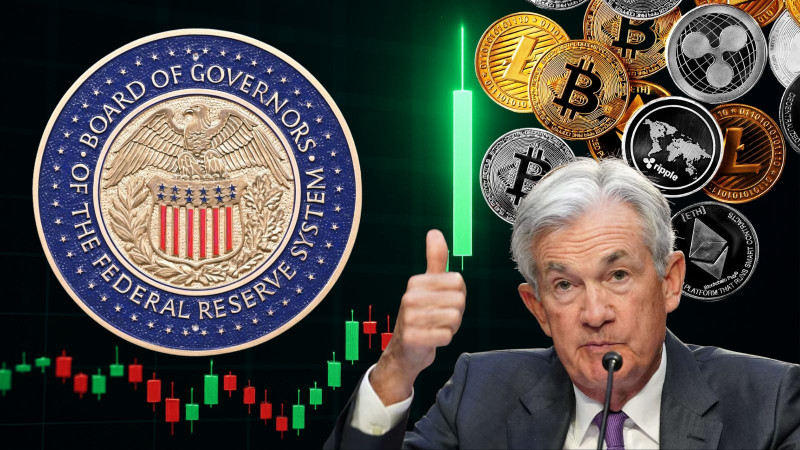
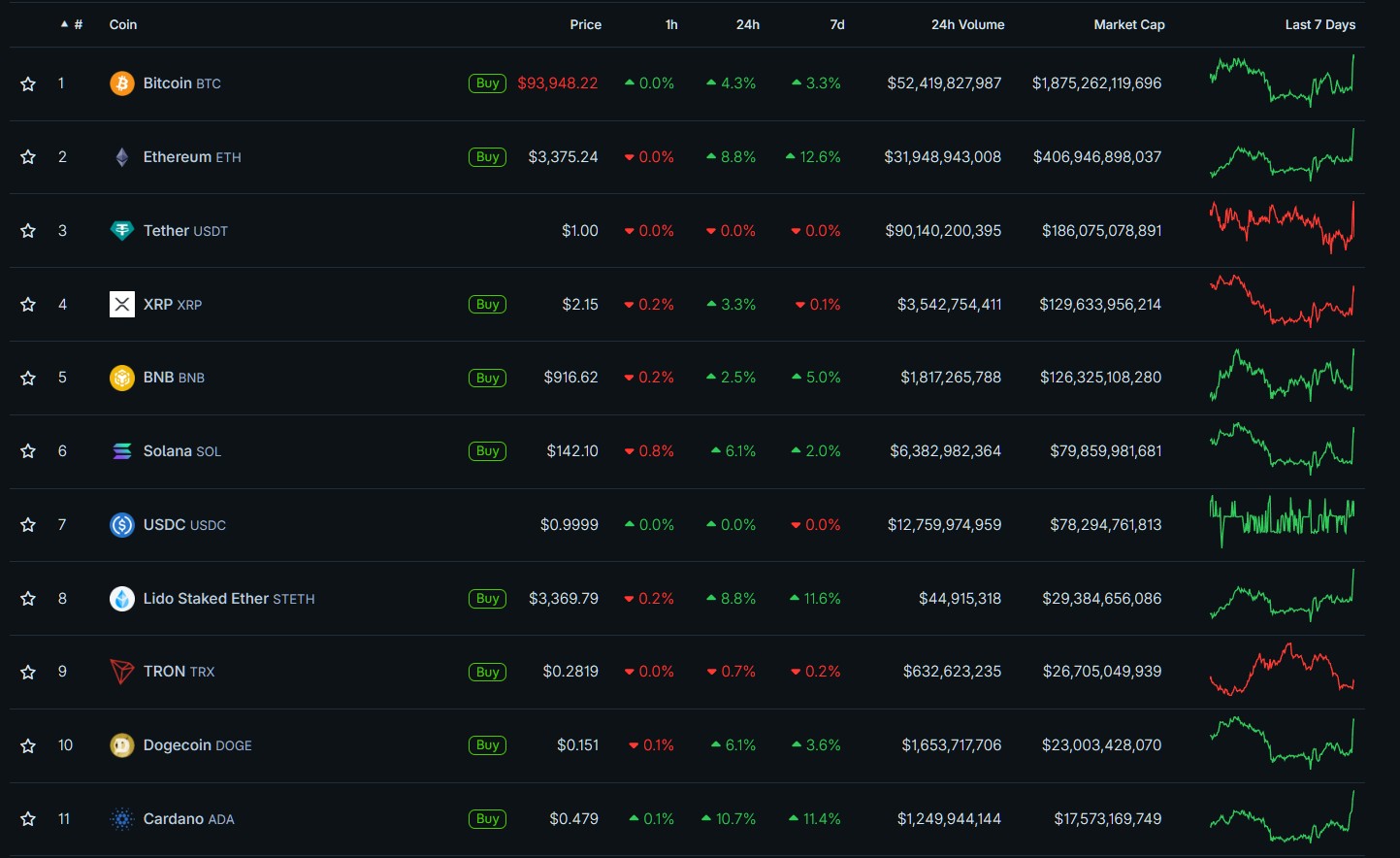
The crypto market has seen a sharp rise in volatility and price movement, with Bitcoin and Ethereum leading the rally. This surge has not come out of nowhere. It is tied closely to speculation surrounding the latest Federal Open Market Committee decision. As traders positioned themselves for potential changes in U.S. monetary policy, the crypto market responded with a wave of buying, short liquidations, and renewed bullish sentiment.
The move is another clear example of how deeply connected crypto has become to broader macroeconomic conditions.
How FOMC Speculation Became the Spark for the Latest Crypto Rally
In the days leading up to the meeting, expectations grew that the Federal Reserve might soften its stance on interest rates. Even the possibility of a rate cut or a more dovish tone tends to shift investors toward higher risk assets. Crypto is usually among the first to react.
Lower interest rates reduce the appeal of cash and bonds, while making speculative and growth oriented assets more attractive. That dynamic has long played out in equities. Now it is becoming increasingly visible in crypto as well.
Bitcoin and Ethereum both climbed into short term highs before the decision. As prices moved up, heavily leveraged short positions began to unwind. This added fuel to the rally as forced liquidations pushed prices even higher. It was a feedback loop that often appears during major macro events and is especially common in the crypto market due to its high leverage environment.
Market Behavior Shows the Fed Still Drives Risk Appetite
Even though crypto operates independently of government control, the industry still reacts strongly to the tone and trajectory of central bank policy.
A few things are becoming clear:
-
Traders treat FOMC guidance as a direct indicator of risk sentiment.
-
Expectations alone can drive price action before the decision is released.
-
Liquidity conditions continue to shape the strength of crypto market rebounds.
-
Bitcoin and Ethereum are increasingly acting like macro assets rather than purely speculative ones.
As the market leaned toward a more accommodative outlook, traders began rotating capital back into large cap cryptocurrencies. Bitcoin and Ethereum benefited the most, but the effect spilled into altcoins as well.
Short term, this created a volatile environment. Longer term, it signals a deeper connection between crypto and global financial cycles.
Why Some Analysts See This as More Than a Temporary Move
While investors always react to big economic events, this moment feels different. The alignment of easing inflation, slower economic pressure, and the possibility of rate cuts creates a setup where risk assets could see more sustained inflows.
Crypto is no longer operating separately from traditional finance. If liquidity improves across the economy, that liquidity tends to find its way into high growth and high volatility markets. Bitcoin and Ethereum fit that profile perfectly.
This raises a question that many in the industry are now considering. Is this the beginning of a broader shift where crypto consistently responds to macro cycles the same way equities and bonds do?
If so, price behavior may become more predictable around central bank events than it was in the early years of the industry.
What Could Go Right and What Could Still Disrupt the Momentum
What Could Go Right
-
If the Fed follows a path of easing or signals greater flexibility, crypto markets could experience a sustained wave of inflows.
-
Investors may shift back toward risk, viewing Bitcoin and Ethereum as core components of a diversified macro portfolio.
-
Lower interest rates increase liquidity across financial markets, which historically supports larger moves in non traditional assets.
-
A clearer link between crypto and macro conditions could attract more institutional traders who specialize in macro driven strategies.
What Could Go Wrong
-
If the Fed holds rates higher for longer or delivers a hawkish message, the market could see an immediate reversal.
-
Liquidations can cut both ways. The same leverage that amplifies rallies can intensify declines.
-
Uncertainty in global markets, geopolitical pressure, or a sudden risk off event could stall any recovery.
-
Crypto may remain highly sensitive to macro shifts, reducing the independence that once drove speculative surges.
What This Phase Means for Investors and the Broader Market
This moment serves as a reminder that crypto does not move in isolation. Bitcoin and Ethereum now sit within the larger financial ecosystem. When central bank policy shifts, these assets feel the impact quickly. That connection is growing stronger, not weaker.
For traders, FOMC weeks will continue to be periods of heightened volatility. Positioning before and after the decision may offer opportunities, but it also increases risk.
For long term investors, understanding macro cycles is becoming just as important as understanding blockchain fundamentals.
For the market as a whole, this could signal a shift toward a more mature ecosystem. If crypto continues to move with global financial cycles, it may attract more institutional interest, more capital, and more stability over time.
The surge before the FOMC decision is not just another short term rally. It is a signal of where the market is heading and how interconnected crypto has become with traditional finance.
Stay Connected
You can stay up to date on all News, Events, and Marketing of Rare Network, including Rare Evo: America’s Premier Blockchain Conference, happening July 28th-31st, 2026 at The ARIA Resort & Casino, by following our socials on X, LinkedIn, and YouTube.
Court Rules in Favor of Federal Reserve in Custodia Bank Case
Appeals Court Upholds Ruling Against Custodia Bank in Fed Master Account Case
A U.S. appeals court, the United States Court of Appeals for the Tenth Circuit, has affirmed that Custodia Bank is not automatically entitled to a Federal Reserve master account. The ruling supports an earlier decision from a Wyoming district court, which found that the Federal Reserve has discretion in granting or denying master account privileges.
The case centers on a special-purpose depository institution (SPDI) chartered in Wyoming that focuses on digital assets and crypto services. Custodia applied for a master account in October 2020 with the Federal Reserve Bank of Kansas City and later sued both the Federal Reserve and the Kansas City Fed for what it described as unfair delay and denial of access.
In its judgment, the appeals court agreed that the Fed acted within its legal authority, rejecting Custodia’s claim that it was unlawfully denied access under federal banking laws.
Why It Matters
Access to a master account matters because it allows direct participation in core central bank services such as Fedwire and the Automated Clearing House (ACH). Without it, a bank must rely on a partner institution that already holds an account.
For Custodia and other crypto-friendly institutions, this ruling is significant because it reaffirms that eligibility does not guarantee access. Even if an institution meets charter requirements, the Federal Reserve retains discretion to deny or delay master account access.
For the broader banking and crypto industries, this decision sends a clear message: non-traditional or digital asset banks cannot assume central bank access simply because they hold a state charter. The Federal Reserve’s oversight and standards remain firm.
What’s Behind the Legal Battle
-
Custodia argued that under the Monetary Control Act of 1980, Federal Reserve services are mandatory for eligible depository institutions. The bank claimed that the word “shall” in the law means entitlement to master account services.
-
Regulators and legal experts disagreed, stating that the Federal Reserve Act gives the Fed discretion to assess risks and decide whether to grant access.
-
The court found that Custodia failed to show a legally enforceable right to a master account. It also ruled that Custodia did not properly challenge a “final agency action” under the Administrative Procedure Act (APA).
-
The district court judge warned that removing the Fed’s discretion could lead to a “race to the bottom,” with states offering light regulations to attract new banks looking for automatic access to Federal Reserve services.
What’s Next for Custodia and the Industry
Custodia may still seek further review, but this ruling narrows the path forward. The company can request a rehearing or appeal to the Supreme Court, though both options face long odds.
For the crypto banking industry, the message is clear: meeting state charter requirements is necessary but not enough. Institutions must also demonstrate strong risk management, compliance, and operational standards that meet Federal Reserve expectations.
Regulators and the financial sector will likely use this case as a precedent to define clearer guidelines for digital asset banks. Risk management, anti-money-laundering measures, and transparent governance will remain top priorities before granting master account access.
This case also signals that the Federal Reserve is cautious about integrating crypto-related banks into traditional financial systems until their risk frameworks align with established banking norms.
Final Thoughts
While the ruling is a setback for Custodia, it reinforces an important principle: access to central bank systems comes with oversight and responsibility. The decision does not shut out crypto banks entirely, but it does raise the bar for entry.
For the broader digital asset sector, this moment highlights the ongoing challenge of bridging innovation with regulation. The focus for crypto banks will now shift from arguing for entitlement to demonstrating readiness — proving that they can meet the same safety, stability, and trust standards that define the U.S. banking system.
In the end, this case is less about denial and more about definition. It sets the boundaries for what a compliant, well-managed crypto bank must look like if it wants a seat at the table in traditional finance.
Stay Connected
You can stay up to date on all News, Events, and Marketing of Rare Network, including Rare Evo: America’s Premier Blockchain Conference, happening July 28th-31st, 2026 at The ARIA Resort & Casino, by following our socials on X, LinkedIn, and YouTube.
Fed Signals a Shift Towards Digital Assets
In recent remarks, Fed Governor Christopher Waller has signaled that the U.S. central bank is becoming more accommodating toward digital assets, stablecoins, and payments innovation. This marks a notable change in tone. Waller proposed a “skinny master account” at the Fed for payment innovators, and other reports flesh out the broader implications.
What changed?
-
Waller has publicly stated that crypto technologies such as smart contracts, tokenization, and distributed ledgers are nothing to be afraid of.
-
He says the payments ecosystem is undergoing a “technology driven revolution,” and that the Fed must keep pace.
-
The Fed appears to be shifting from a strictly cautious stance toward digital asset integration in payments, toward an openness to engage more with innovators in the fintech and crypto space.
-
Waller emphasized the complementary roles of the private sector, which drives innovation, and the Fed, which provides core infrastructure and oversight.
The “Skinny Master Account” Proposal
One of the more concrete proposals discussed by Waller is the idea of a streamlined “payment account” or “skinny master account” at the Fed. This would be a limited access account for non-bank payment innovators and fintechs, granting them access to core payment services.
Key features of this account
-
The account would not grant full bank level access. For example, no interest, no overdrafts, and no access to the Fed’s emergency lending facilities.
-
It would undergo a simpler review process than a traditional bank master account.
-
The aim is to give payment innovators and non-bank financial firms more direct access to Fed payment infrastructure, instead of having to rely on a bank intermediary.
-
Waller describes this as a way to reflect the new reality of the faster moving payments landscape and the evolving types of providers.
Why it matters
-
It signals that the Fed is willing to adapt its infrastructure and access rules to accommodate newer players such as fintechs, stablecoin issuers, and crypto enabled payment firms.
-
Potentially lowers the barrier for such firms to interact directly with the Fed’s payments system, which has traditionally been reserved for banks.
-
Could increase competition and innovation in payments, perhaps improving efficiency, speed, and cost, especially as stablecoins and digital asset rails gain traction.
-
But it also raises regulatory and risk management questions about how the Fed maintains safety, soundness, and oversight when opening access more broadly.
Crypto, Stablecoins and Payments: Key Themes in Waller’s Remarks
Embracing innovation
Waller has made repeated comments that highlight his belief that crypto technologies are not inherently risky simply because they are new. He stated that smart contracts, tokenization, and distributed ledgers are just technologies, and if they lead to more useful ways to transact, the Fed should consider adopting them.
Stablecoins as “synthetic dollars”
Waller described how stablecoins might act as synthetic representations of the dollar. He noted that stablecoins must demonstrate clear use cases and commercial viability to succeed. He also pointed out that stablecoins could provide access to U.S. dollars for users in high-inflation countries or without easy banking access, and could help maintain the dollar’s role internationally.
Research into tokenization, smart contracts and AI
Waller revealed the Fed is doing technical research on innovations such as tokenization, smart contracts, and AI in payments. He explained that while the Fed may never directly adopt these technologies, there is no reason not to explore them.
The Fed’s changing regulatory stance
-
The Fed has ended its “novel activities supervision program” for crypto related banking activities.
-
Earlier in 2025, it withdrew a 2022 guidance that discouraged banks from participating in crypto and stablecoin activities.
-
Waller has emphasized that the private sector should lead payment innovation, with government intervention limited to areas where market inefficiencies exist.
Implications and Challenges
Opportunities
-
For fintechs, payment innovators, and crypto firms: the proposed account could provide more direct access to Fed rails, potentially lowering costs and increasing speed.
-
For the payments ecosystem: embracing tokenization, smart contracts, and stablecoins could improve efficiency, reduce friction, and support cross-border flows.
-
For the dollar’s role globally: stablecoins denominated in U.S. dollars could help reinforce the dollar as the global settlement currency, especially in emerging markets.
Risks and considerations
-
Safety and soundness: Extending access to non-bank firms raises questions about oversight, liquidity, fraud, cybersecurity, and systemic risk.
-
Regulatory clarity: While the tone is more open, many legal, regulatory, and compliance frameworks remain unresolved, including how stablecoins are treated and how payment innovators are supervised.
-
Central bank digital currency: Waller and others remain cautious about a full-blown U.S. CBDC, so innovation may happen in private rails rather than through a government issued digital dollar.
-
Inclusivity vs exclusivity: There will likely be eligibility criteria for these “skinny” accounts, meaning not all innovators will have equal access.
What to Watch
-
Whether the Fed publishes formal guidelines or a pilot program for the “skinny master account.”
-
How banks and fintechs respond, and whether more firms apply for direct Fed access.
-
What regulatory developments affect stablecoins and digital assets, such as new legislation or SEC rules.
-
How this affects real world payment innovation, including cross-border payments, retail stablecoin usage, and tokenization of assets.
-
Whether the Fed adopts any of the tokenization and AI research findings into its infrastructure or policies.
Summary
Governor Christopher Waller’s recent comments reinforce a pivot in the Fed’s posture toward digital assets and payments innovation. The proposed “skinny master account” signals a willingness to provide payment innovators, including fintechs and possibly crypto enabled firms, more direct access to Fed infrastructure in a limited way. This comes alongside an overarching message: new technologies such as stablecoins, smart contracts, and tokenization are not to be feared. They may play a transformative role in the payments system. That said, the transition carries regulatory, supervisory, and structural risks that the Fed is clearly aware of.