#OCC
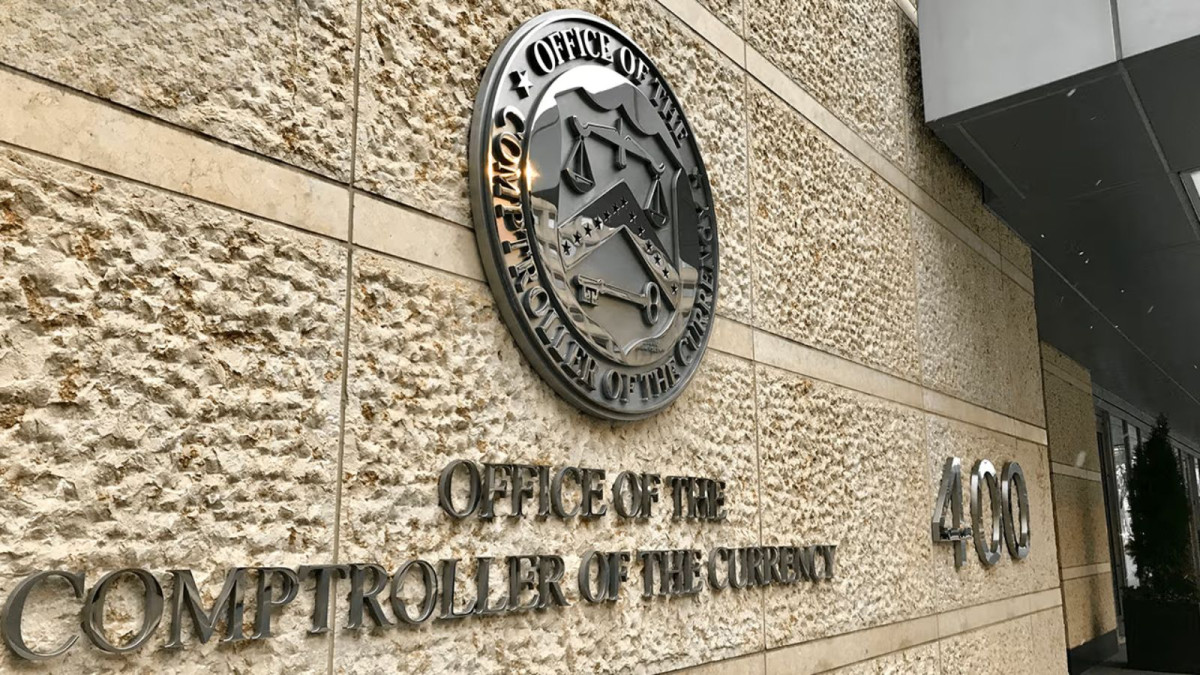
Bastion Receives Conditional Approval for National Trust Bank Charter

Bastion, the stablecoin infrastructure provider for global enterprises and financial institutions, has received preliminary conditional approval from the Office of the Comptroller of the Currency (OCC) to establish a national trust bank.

Following the approval, Bastion, through the Bastion Platforms National Trust Company, will now offer regulated digital asset services under OCC supervision, including stablecoin wallets and custody, payment infrastructure, and white-label issuance.
"Enterprises and financial institutions can now access stablecoins through a federally regulated counterparty, with the controls and oversight they already expect from their banks. We’ve built Bastion for this moment from day one,” said Nassim Eddequiouaq, CEO of Bastion.
With OCC approval now in the bag, enterprise clients and financial institutions can fully access Bastion’s products, including its wallet and issuance services such as minting, redemption, and conversion between stablecoins and fiat, with services that meet required regulatory and compliance standards.
Prior to receiving the conditional charter from the OCC, Bastion had secured a limited purpose trust company charter from the New York State Department of Financial Services, which enabled it to offer certain fiduciary and trust services.
It was during that period that Bastion acquired Dibbs Trust Company, which was eventually renamed Bastion Platforms Trust Company, the entity that is now playing a pivotal role in Bastion’s OCC-regulated fiduciary offerings.
Like Bastion, several other financial institutions have received similar conditional or even full trust charters from the OCC, notably Trump-backed World Liberty Financial, Catena, and Agora.
Block Files OCC Charter to Establish Crypto Custody Bank

Financial technology company Block Inc. has formally submitted an application to the Office of the Comptroller of the Currency (OCC) to establish Builders Bank & Trust, N.A. (“Builders Bank”), an uninsured national trust bank.
If approved, the charter will enable Block to operate as a federally regulated national trust bank under the supervision of the OCC, allowing it to provide fiduciary and custody services for digital assets such as Bitcoin and stablecoins.
“Combining Block’s digital asset expertise, our experience with Square Financial Services, and the deep banking expertise of our team, we believe Builders Bank is well positioned to support Block’s broader vision of economic empowerment,” said Lee Woolley, who is expected to serve as president and CEO of Builders Bank.
Although the charter will not allow Builders Bank to accept customer deposits or make loans like traditional banks, if approved, it will enable the bank to operate as an uninsured, non-deposit taking national trust bank under the OCC’s regulatory framework.
Block’s application comes at a time when several financial institutions have made similar filings with the OCC to establish national trust banks.
Just last month, digital asset infrastructure provider Zero Hash applied to establish a national trust bank focused exclusively on digital assets. The application followed similar filings by fintech firm Dakota, Catena, and Payward in preceding months.
President Trump-backed World Liberty Financial and Sony Bank also recently received conditional trust charters from the OCC to establish national trust banks, while stablecoin issuer Circle was granted a New York trust charter.
OCC Greenlights Conditional Trust Bank Charter for World Liberty Financial

The Office of the Comptroller of the Currency (OCC) has granted President Trump-backed World Liberty Financial preliminary conditional approval to establish World Liberty Trust Company, N.A., a national trust bank that would oversee its USD1 stablecoin operations.
Since the charter is conditional, World Liberty Trust Company will serve as a limited purpose national trust bank, handling the fiduciary and trust aspects of the USD1 stablecoin, including the issuance and redemption of the stablecoin, management of the reserves backing USD1, and custody services for institutional clients using USD1.
Regarding the regulatory milestone, Zach Witkoff, CEO and co-founder of World Liberty Financial, wrote in an X post, “Rigorous oversight, institutional controls and clear accountability are how stablecoins become trusted financial infrastructure.”
“Our ambition is clear: to build the most trusted and widely used digital dollar in the world while strengthening the role of the U.S. dollar across the global economy.”
As part of the conditions stated by the OCC in its approval letter, World Liberty Trust Company must restrict its activities strictly to those relating to trust activities. If it intends to deviate from these activities, the bank must provide the OCC with 60 days’ prior notice.
Before any executive is appointed, World Liberty Trust Company must submit information about the executives to the OCC and receive a non-objection letter from the regulator.
The trust bank will initially be governed by a five member team: Zach Witkoff, who will serve as board chair; Scott Alper, President and Chief Investment Officer of Witkoff Group; Robert Witkoff, former Co-Chief Investment Officer of The Chubb Corporation; Jeffrey Weiner, former Chairman and CEO of Marcum LLP, one of the largest accounting firms in the U.S.; and Erin Baskett, a member of the FINRA Board of Governors and founder of brokerage firm Sine Qua Non Capital.
Sony Bank Receives Conditional Approval From U.S. OCC to Set Up a National Trust Bank

Image credit: pymnts.com
Sony Bank, one of Japan's largest online banks, has received conditional approval from the U.S. Office of the Comptroller of the Currency, or OCC, to establish a national trust bank.
According to a press release from Sony Bank, the establishment of the trust bank, named Connectia Trust, is intended to prepare for the commercialization of businesses related to the issuance and management of U.S. dollar-denominated stablecoins in the United States.
"The establishment of this trust subsidiary is intended to contribute to the development of a medium to long-term business foundation for the Sony Financial Group's digital asset businesses," Sony Bank said in a press statement.
Although Connectia is being established this month, with Sony Bank committing an initial capital investment of $40 million (equivalent to JPY 6.4 billion), the trust bank will not begin full operations or stablecoin issuance until 2027. That is contingent on receiving final approval from the OCC after meeting all regulatory requirements.
Sony Bank's approval comes at a time when several other financial institutions, including crypto companies, have sought to establish national trust banks. In December last year, stablecoin issuer Circle received conditional approval to establish a national trust bank before securing final approval this week. Other companies that have received similar conditional approval include Ripple, Paxos, Fidelity, and BitGo.
By seeking an OCC national trust charter, companies can gain greater regulatory clarity and credibility to issue and manage U.S. dollar-backed stablecoins, provide custody services, and operate under a single national regulatory framework that preempts many state licensing requirements. An OCC charter can also help companies build trust among institutional clients, enabling them to expand their services to a broader range of customers.
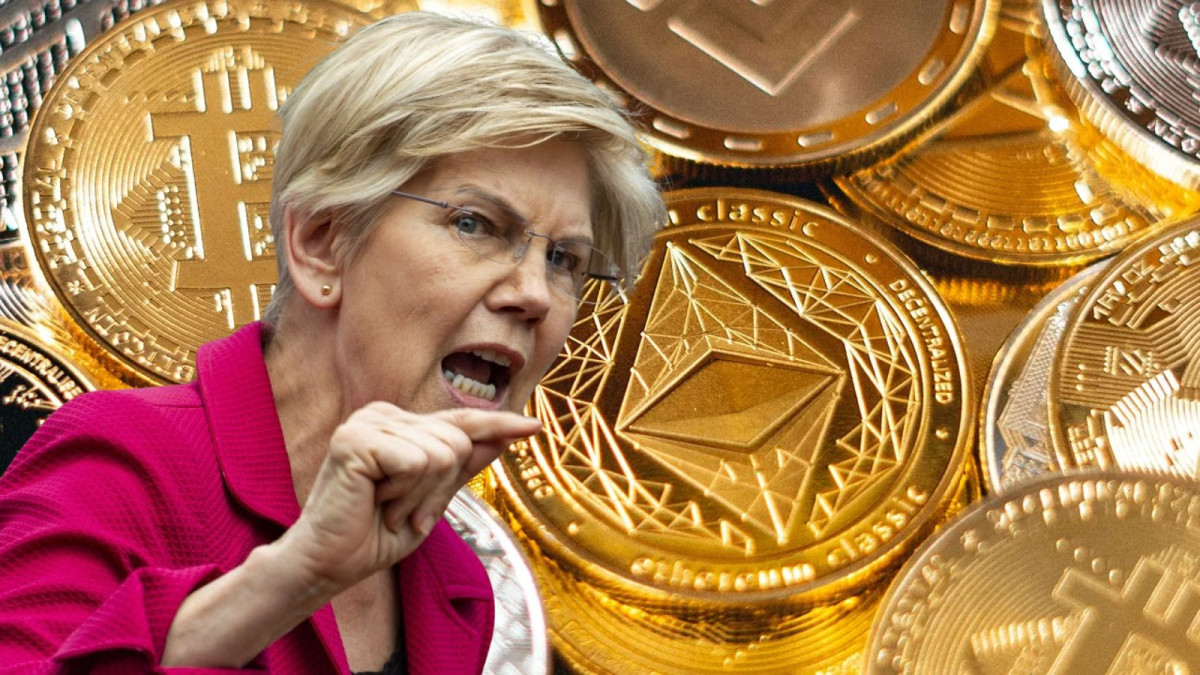
Warren Continues Her Crusade On Crypto

Senator Elizabeth Warren is not letting up. Not after the GENIUS Act. Not after the CLARITY Act. Not after nine crypto firms got federal trust charters. And certainly not after the Office of the Comptroller of the Currency spent the better part of five months quietly waving through some of the biggest names in digital assets.
On Monday, the Massachusetts Democrat and ranking member of the Senate Banking Committee fired off a sharply worded letter to OCC Comptroller Jonathan Gould, accusing his agency of violating the National Bank Act by granting trust charters to at least nine crypto companies, including Coinbase, Ripple, Paxos, BitGo, Circle, Fidelity Digital Asset Services, Crypto.com, Stripe subsidiary Bridge, and Protego. The letter, dated May 18, demands a full accounting of the approvals, along with any communications between OCC officials and the White House or Trump family members, by June 1.
Regulatory Arbitrage, or Smart Business?
At the core of Warren's complaint is a fairly pointed argument: these companies are behaving like banks while holding charters that do not require them to operate like banks. National trust companies are, by design, more limited than full-service institutions. They cannot take FDIC-insured deposits. They do not engage in traditional commercial lending. They are supposed to focus on fiduciary work, managing assets on behalf of clients.
But Warren says the business plans she reviewed tell a different story. Several of the approved firms appear to be pursuing stablecoin issuance, custodial services, payments processing, and lending activities that resemble full-scale banking operations more than traditional trust work. She argues this creates systemic risk and amounts to regulatory arbitrage, writing: “These companies are effectively crypto banks that want to evade the fundamental safeguards and obligations that come with being a bank.”
That argument becomes harder to justify with how the modern banking system already operates. Under fractional reserve banking, traditional banks are permitted to lend out the vast majority of depositor funds while holding only a fraction in reserve, prioritizing leverage, liquidity, and profit generation over true one-to-one custody of customer assets. Critics argue that Warren is defending a legacy system built on counterparty risk while attacking crypto firms that, in many cases, are attempting to offer more transparent and fully reserved financial infrastructure.
The OCC has not responded to requests for comment. Gould, for his part, has been publicly bullish on the move toward crypto integration. When the agency announced its first wave of five conditional charter approvals back in December 2025, he framed it as a win for consumers and competition. "New entrants into the federal banking sector are good for consumers, the banking industry and the economy," he said at the time.
The Trump Angle Warren Will Not Ignore
There is a political dimension here that Warren has been pushing hard, and it involves the Trump family directly. World Liberty Financial, the crypto venture backed by President Donald Trump and his family, is reportedly in the final stages of receiving a conditional OCC approval of its own. Warren and Gould clashed over the pending application at a Senate hearing in February, when Gould declined to commit to delaying or denying it. Warren, visibly frustrated, called him an accomplice to what she described as presidential corruption.
In her latest letter, Warren went further, requesting all emails, text messages, meeting summaries, and call transcripts between OCC staff and Trump, his immediate family, or anyone acting on their behalf, specifically as they relate to any of the nine approved charters. It is a broad ask, and one that almost certainly will not be met without a fight.
Industry Momentum Has Not Slowed Warren Down
The crypto industry has had a genuinely strong stretch in Washington. The GENIUS Act, which created a federal framework for stablecoin issuance, passed into law last year and was hailed across the industry as a landmark moment. The SEC under Chair Paul Atkins has signaled major regulatory relief, including a potential innovation exemption for tokenized securities. Crypto-friendly appointments have reshaped several key agencies.
And still, Warren keeps pushing back. Her office has framed the GENIUS Act as legislation that creates "light-touch regulation for crypto banks" while weakening the consumer protections that took decades to build. The trust charter campaign fits neatly into that critique. From Warren's perspective, every charter granted to a Coinbase or a Ripple is another step toward a two-tiered financial system, where traditional banks operate under strict rules while crypto firms get a cheaper, faster path into the same market.
What Happens Next
The June 1 deadline Warren has set is more political theater than hard deadline. The OCC is not legally obligated to respond on her timeline. But the letter sets up a paper trail, and if the agency stonewalls or the World Liberty Financial approval comes through before then, expect Warren to take that back to the committee floor.
The broader question, one that neither side has fully answered, is whether the OCC's chartering activity actually violates the National Bank Act or whether it represents a reasonable interpretation of existing authority. The agency has defended the charters as consistent with prior interpretive letters, some dating back to 2021. Lawyers on both sides will be watching the OCC's formal response closely, assuming one comes.
For crypto firms, the political noise is mostly background at this point. Charters have been granted. Business plans are moving forward. But Warren's sustained pressure does carry real risk, particularly if Democrats gain ground in 2026 midterms or if any of the chartered institutions runs into trouble. In this regulatory environment, one high-profile failure could reframe the entire debate very quickly.

Kraken Moves Into Regulated Crypto Custody

Payward, the parent company of the crypto exchange Kraken, has filed an application with the Office of the Comptroller of the Currency (OCC) seeking to establish a national trust company.
If approved, the OCC will grant Payward federal fiduciary powers under the U.S. Trust Powers statute to establish the Payward National Trust Company (PNTC), allowing Payward to provide custodial services to institutional clients and individuals seeking regulated bank level custody and trust services for digital assets. Payward aims to leverage its existing infrastructure, risk management systems, compliance programs, and regulated affiliates to deliver institutional grade, secure, and compliant custodial services.
Speaking on the OCC application, Arjun Sethi, Co CEO of Payward and Kraken, said, “Our long held belief has always been that the right path forward for digital assets runs through robust, transparent regulation. A national trust company provides the certainty institutions require and establishes the infrastructure to build the next generation of custody. This is not about being first. It is about getting the framework right so markets can scale with clarity, interoperability, and a long term vision for what clients will demand as these systems mature.”
The OCC application builds on the regulatory foundation that Payward has already established through Kraken Financial, one of its entities. Through Kraken Financial, Kraken achieved several milestones, including becoming the first crypto company to receive a Wyoming Special Purpose Depository Institution charter. This allowed Kraken Financial to operate as a separate entity and become the first digital asset bank to gain access to the Federal Reserve payment system.
“Kraken Financial and what we are building with the OCC are complementary pillars of Payward’s regulated banking strategy aimed at advancing an efficient and accessible digitally native financial system,” said Arjun Sethi, Payward and Kraken co CEO.
“Our Wyoming SPDI and Federal Reserve master account represent a genuinely unique foundation, and the addition of a national trust company expands what we can offer our clients under an evolving U.S. regulatory framework.”
Kraken Joins Race to Offer Custodial Services
Payward is not the first crypto company to file an application with the Office of the Comptroller of the Currency, as companies like Ripple, BitGo, Stripe, Crypto, and Coinbase have also filed, with some receiving conditional approvals to provide custodial services.
Morgan Stanley Digital Trust also filed an application with the Office of the Comptroller of the Currency in February of this year, seeking approval to provide digital asset custody, with the application currently pending.
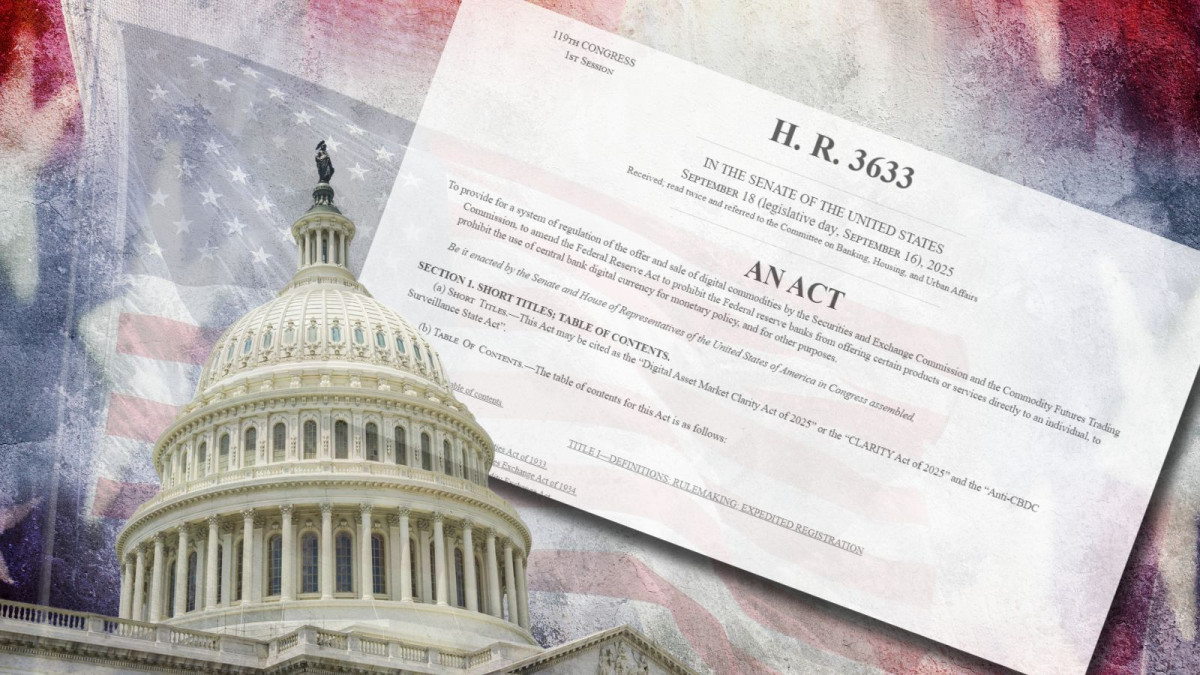
Senators Race to Save the CLARITY Act With Stablecoin Yield Compromise

The room at the Marriott Marquis in Washington was full of community bankers on Tuesday, and Senator Angela Alsobrooks walked straight into the lion's den. Speaking at the American Bankers Association's annual Washington Summit, the Maryland Democrat delivered a message neither side particularly wanted to hear: everyone involved in the Digital Asset Market Clarity Act is going to have to walk away a little bit unhappy.
It was a remarkably candid thing to say in front of 1,400 people who have spent the better part of three months trying to kill the very provision that's been holding up the bill. But Alsobrooks, along with Republican Senator Thom Tillis of North Carolina, is now the central figure in a late-stage push to get the Clarity Act off the Senate Banking Committee floor and into an actual markup hearing before the legislative window closes for good.
The two senators confirmed Tuesday they're actively working on compromise language around stablecoin yield which keeps coming up as the main issue that has stalled what was supposed to be a landmark piece of crypto regulation.
A Bill In Limbo
The Digital Asset Market Clarity Act, or CLARITY Act, was supposed to have its Senate Banking Committee markup in January. That session got pulled at the last minute. The reason was stablecoin yield, specifically, amendments co-sponsored by Alsobrooks and Tillis that would restrict crypto firms from offering interest-like returns to customers who simply hold dollar-pegged digital tokens like USDC or USDT.
Banks had been lobbying hard against any provision that allowed that kind of reward. Their argument, which they've pushed loudly and repeatedly, is that stablecoins offering yield would function like bank accounts without the regulatory obligations of bank accounts. Executives at JPMorgan and Bank of America have cited Treasury Department modeling that suggested banks could lose up to $6.6 trillion in deposits if stablecoin yield programs went mainstream. Their argument is that it would starve the lending market and ultimately destabilize smaller regional banks that are particularly dependent on deposit funding.
The crypto industry dismisses most of that as fearmongering. Coinbase CEO Brian Armstrong called out the banking lobby publicly for what he characterized as anticompetitive blocking tactics and has pulled his support for the bill. In January at Davos, JPMorgan's Jamie Dimon reportedly told Armstrong he was, in quite colorful terms, wrong. The anecdote leaked out and became something of a symbol for just how personal this fight had gotten.
"We absolutely have to have these protections to prevent the deposit flight, but we're going to probably have to make some compromises." — Senator Angela Alsobrooks, D-Md.
The White House Steps In, Then Gets Rejected
By late February, the White House had grown impatient. Administration officials spent weeks brokering what they hoped would be an acceptable middle ground: allow stablecoin yield in limited contexts, particularly for activity tied to payments and transactions, while banning rewards on idle balances that look more like savings accounts. Crypto firms signed off on the framework. The banks did not.
On March 3rd, President Trump went public with his frustration. In a Truth Social post, he wrote that banks should not be trying to undercut the GENIUS Act or hold the CLARITY Act hostage, a shot across the bow that was notable both for its directness and for the fact that it did essentially nothing to move the American Bankers Association. Two days later, the ABA formally rejected the White House compromise anyway.
The March 1st deadline the White House had set for a resolution passed without published compromise text. Prediction markets, which had briefly priced Clarity Act passage at around 80% odds, fell back toward 55% as the stalemate hardened.
What the ABA rejection didn't do, however, is kill the legislation outright. Congress has passed bills over banking lobby opposition before. The question, as analysts and lobbyists have been pointing out all week, is whether there are enough Senate votes to do it again — and whether the calendar allows the time to find out.
Can We Get A Compromise?
The emerging deal that Alsobrooks and Tillis are proposing is a slimmed-down version of what the White House tried. Under the framework being discussed, yield on stablecoin holdings that closely resemble bank deposits would remain prohibited. But rewards tied to specific activities, like using stablecoins for payments or transactions on a given platform, could remain eligible for some form of customer incentive.
Both senators and many crypto advocates actually agree on the premise that pure holding rewards that look and function like savings account interest are a problem. The dispute is over where exactly to draw the line and how to define the categories well enough that neither side can game them after the fact.
Cody Carbone, the CEO of the Digital Chamber, said this week that Tillis has been very receptive to discussions about stablecoin yield and that he's optimistic the industry can get to yes on the bill. Summer Mersinger, the CEO of the Blockchain Association, noted that the White House weighing in on the negotiations and pushing banks to engage in good faith adds important momentum as talks continue.
The banks have maintained, publicly at least, that those assurances aren't enough. Their representatives at the ABA summit this week underlined again what they see as the risks of any yield loophole to their business model. The question of whether a markup hearing happens in late March or gets delayed again, depends entirely on whether Alsobrooks and Tillis can produce language the committee will actually vote on.
Timing Is An Issue
Behind every conversation about the Clarity Act this week is an unspoken anxiety about time. The Senate calendar is tight. Midterm elections are in November, and lawmakers will start dispersing from meaningful legislating sometime around May or June as campaign season accelerates. Unfortunately it seems, Congress prefers to stop working as they try to convince voters to keep them in their jobs. I know, makes perfect sense. If a markup isn't held and a floor vote isn't scheduled by sometime in April, realistically the bill is looking at the next Congress which could be a completely different party in power. And complicating things even more. Despite which party ends up winning the midterms, this could mean another 12 to 18 months of regulatory uncertainty for an industry that has been waiting years for a clear legal framework.
That timeline matters not just for the crypto industry's domestic ambitions, but for its competitive positioning globally. Under the European Union's MiCA framework, stablecoin yield products that are restricted or banned in the U.S. are already legal in European jurisdictions. Coinbase and others have been explicit about the risk that continued regulatory ambiguity in the U.S. will push capital, talent, and product development offshore. Trump made a version of the same argument in his Truth Social post last week, warning that failure would drive the industry to China.
There's also a strategic Bitcoin Reserve angle sitting quietly in the background. According to people familiar with the situation, the Trump administration has determined it needs congressional action to operationalize the planned Strategic Bitcoin Reserve that the president signed an executive order for over a year ago. That creates at least some White House motivation to see the broader Clarity Act process succeed.
What Happens Next
The Senate Banking Committee is targeting a late-March markup. Whether that happens depends on whether the Alsobrooks-Tillis compromise language satisfies enough members to call the vote. If it does, the bill would then need to be merged with a version that already passed the Senate Agriculture Committee on a party-line vote in late 2025. The combined text would require significant Democratic support to clear a full Senate vote, always a tall ask in the current politcal environment and the fact that seven Democratic senators have separately raised concerns about potential conflicts of interest involving senior government officials, including the president himself, who have financial ties to the crypto industry.
Even if the Senate acts, the bill still needs the House, where an earlier version of the CLARITY Act passed committee last year but has yet to reach the floor. The path to a signed law before November is narrow but not impossible. It requires the Senate Banking Committee to move in the next few weeks, the combined bill to hold together politically, and a Senate floor schedule that is packed with little wiggle room.
For the moment, all of it hinges on two senators and a room full of bankers in Washington D.C., trying to decide how much compromise is actually compromise and if they can all agree to leave a bit unhappy about the results for the greater good. Typically the best compromises do make both sides a bit unhappy. In Washington, that usually means the deal is closer than it looks. It also usually means it's harder than it sounds.
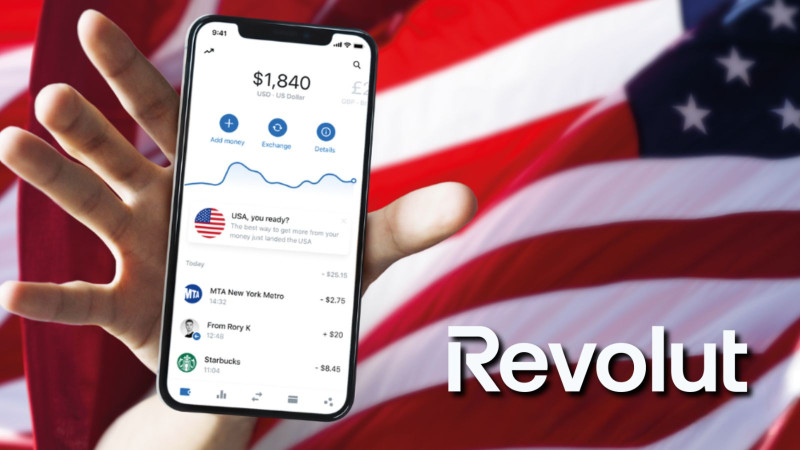
Revolut Files for U.S. Banking License

Fintech giant Revolut announced Thursday that it had officially filed for a U.S. banking license.
Revolut filed its application with both the Office of the Comptroller of the Currency and the Federal Deposit Insurance Corporation, seeking to operate across all 50 states under the name Revolut Bank US, N.A. The filing represents what the company is calling a "de novo" charter, meaning it's building a new banking entity from scratch rather than acquiring an existing institution.
As recently as January, Revolut had reportedly been exploring the acquisition of an existing U.S. bank, which would have been a faster path to full banking status. The company scrapped those plans in favor of the de novo route, a decision that likely reflects the OCC's growing willingness under the current administration to greenlight new entrants. The OCC has already granted conditional approval to several stablecoin issuers seeking bank charters, signaling a more permissive stance toward crypto-adjacent financial firms.
Approval of a charter would mark one of Revolut's biggest regulatory milestones outside Europe. The company already holds banking licenses across parts of Europe and secured a restricted U.K. banking license from the Prudential Regulation Authority in 2024, though it is still working through the mobilization phase required before that becomes a full license. The U.S. is a different beast entirely.
Right now, Revolut operates in the United States through a partnership with Lead Bank, a Kansas City-based institution. That arrangement gets the job done for basic accounts and payments, but it's a ceiling, not a foundation. A license would give Revolut direct access to payment networks such as Fedwire and the Automated Clearing House, systems that move trillions of dollars between banks each year.
More importantly, the charter would let Revolut shed its dependency on third-party partners entirely and start acting like a real bank. Customer deposits would be insured by the FDIC, strengthening trust and regulatory protection for users, and the company could begin offering credit cards and personal loans directly to consumers.
For a company that has built its reputation around being a financial super-app, the inability to offer federally insured deposits or extend credit in America has been a glaring gap. Revolut's European customers can access a full stack of financial products. U.S. customers get a stripped-down version. The charter is meant to fix that.
By securing a federal charter, Revolut aims to bypass the fragmented state-by-state regulatory landscape in favor of a single national framework, providing the infrastructure necessary to scale its suite of retail and business services.
The Crypto Angle
Revolut isn't just a digital bank. It's one of the more crypto-integrated financial platforms in the world, offering trading for dozens of digital assets, and it has been selected by the U.K.'s Financial Conduct Authority as one of four companies to test stablecoin services under proposed regulations.
In that context, the timing of Thursday's filing is striking. It came just one day after Kraken became the first crypto-native firm to secure a Federal Reserve master account, a development that sent a loud signal about where U.S. regulators are headed.
Kraken's approval lets its banking arm speed up deposits and withdrawals for large traders and institutional clients, though the account is limited, with Kraken not earning interest on reserves or accessing the Fed's emergency lending. Still, the symbolic weight of a crypto exchange plugging directly into Fed payment rails cannot be overstated.
Securing a full banking license would position Revolut to more deeply embed crypto services within a regulated framework, potentially easing concerns for both users and policymakers about the safety and soundness of hybrid platforms.
That's the broader story here. We're watching the lines between traditional banking, fintech, and crypto blur in real time, and it's happening faster than most observers expected even a year ago.
Revolut's U.S. chief executive at the time of the filing, Sid Jajodia, was blunt about the timing in comments to the Financial Times. Jajodia said the timing of the application had been boosted by the White House's willingness to back new entrants to the regulated banking system, welcoming greater regulatory clarity, including around crypto.
That's a diplomatic way of saying what much of the fintech industry has been saying privately for months: the Biden-era posture toward crypto and non-traditional banking entrants was a significant deterrent, and the current administration's approach has opened a window that may not stay open forever.
Revolut isn't the only one moving through it. Firms like PayPal and Coinbase are pursuing similar charters following regulatory changes introduced under Donald Trump. ZeroHash, a Chicago-based crypto infrastructure company, has applied for a National Trust Bank Charter from the OCC as well, seeking a federal framework for its stablecoin and digital asset services.
New Leadership, New Commitment
Alongside the charter filing, Revolut announced a significant leadership shuffle for its American operation. Cetin Duransoy has been named the new U.S. CEO, stepping in as Jajodia moves into a global chief banking officer role. Duransoy previously served as the U.S. CEO of fintech marketplace Raisin and held senior leadership roles at both Capital One and Visa.
The hire is deliberate. Getting a de novo bank charter through the OCC is a long and grinding process, requiring extensive scrutiny of capital adequacy, risk management frameworks, and compliance programs. Having someone with deep institutional banking experience at the helm of the U.S. operation sends a message to regulators that Revolut is not approaching this casually.
Revolut plans to invest $500 million in the U.S. market over the next three to five years. That's a serious number, and a significant commitment for a company that has had to walk away from a U.S. banking effort before.
Why Past Attempts Failed, and Why This One Might Stick
Revolut's first U.S. banking license attempt, which began with California regulators in 2021, unraveled by 2023 amid concerns about the company's internal controls and compliance infrastructure. Those issues have since been widely characterized as growing pains typical of a fast-scaling startup that had not yet built the back-office rigor expected of a regulated bank.
The company's trajectory since then, the UK banking license milestone, the dramatic financial turnaround, the global licensing push, suggests that those structural weaknesses have largely been addressed. Experts note that while European digital banks like N26 and Monzo have previously struggled to crack the U.S. market, Revolut's massive 70-million global customer base gives it a level of power and self-confidence that its predecessors lacked.
There's also the multi-currency angle. Revolut's strong brand recognition and product breadth, including support for multi-currency services, will appeal to digital, mobile, and globally-minded customers, filling a gap in North America where domestic neobanks still offer a limited range of private banking products.
That said, skeptics remain. Some analysts have warned that the current rush to acquire U.S. banking licenses is partly a function of regulatory optimism that may not translate into sustained approval rates once the OCC and FDIC begin their detailed reviews. The regulatory process for a de novo bank charter typically takes years, not months, and the political environment in Washington can shift.
The OCC's review process will be comprehensive. Revolut will need to demonstrate adequate capital levels, a robust compliance program, a credible business plan, and a management team capable of running a federally regulated bank. Given its prior withdrawal, the company will almost certainly face additional scrutiny around its internal controls and audit functions.
If approved, the broader implications reach well beyond Revolut's bottom line. For U.S. regulators, granting or denying the application will send an important signal about how open the system is to globally active, crypto-friendly fintechs seeking full bank status. The decision will likely take into account not only Revolut's financial strength and compliance track record, but also broader debates about innovation, competition and consumer protection.
The fact that a crypto exchange now sits on the Fed's payment rails, and that a $75 billion crypto-integrated neobank is simultaneously knocking on the OCC's door, suggests we are entering a genuinely new phase in the relationship between digital finance and the traditional banking system.
Whether the regulators are ready for that, or whether the window closes before the paperwork clears, is the question that will define the next chapter for Revolut, and for the broader industry watching closely behind it.
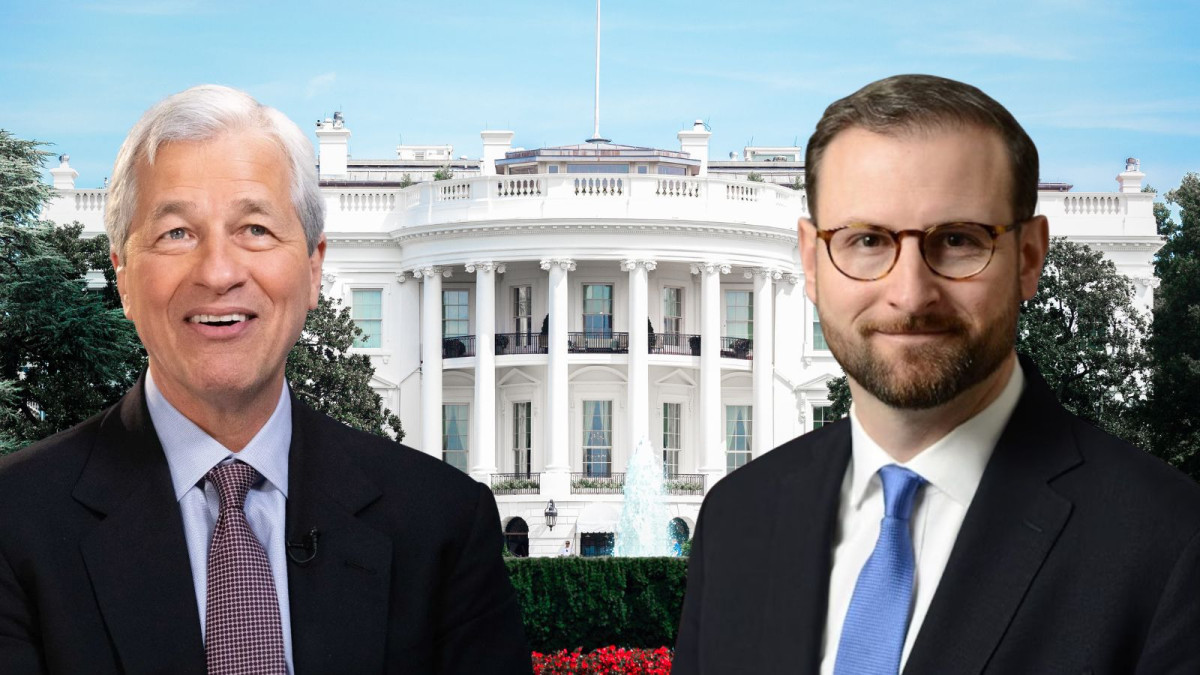
White House Calls Out Dimon on Stablecoin Yields

Washington's stablecoin standoff just got a whole lot more personal.
Patrick Witt, the executive director of the President's Council of Advisors for Digital Assets, publicly fired back at JPMorgan Chase CEO Jamie Dimon on Tuesday, calling his arguments about stablecoin yields misleading and, in Witt's own word, a "deceit."
The exchange marks one of the sharpest moments yet in a months-long tug-of-war between Wall Street and the White House over the future of digital asset regulation in America.
Dimon Draws a Line in the Sand
It started Monday, when Dimon went on CNBC and didn't mince words. His position was simple, if uncompromising: any platform holding customer balances and paying interest on them is functionally a bank, and should be regulated like one.
"If you do that, the public will pay. It will get bad," Dimon warned, arguing that a two-tiered system where crypto firms operate with fewer restrictions than banks is unsustainable.
Dimon suggested a narrow compromise: platforms could offer rewards tied to transactions. But he drew a clear line at interest-like payments on idle balances, saying, "If you're going to be holding balances and paying interest, that's a bank."
The list of obligations Dimon believes should apply is long, FDIC insurance, capital and liquidity requirements, anti-money laundering controls, transparency standards, community lending mandates, and board governance requirements. "If they want to be a bank, so be it," he said.
For Dimon, it's fundamentally about fairness. JPMorgan uses blockchain in its own operations, and the CEO was careful to frame his argument not as anti-crypto but as pro-competition on equal terms. "We're in favor of competition. But it's got to be fair and balanced," he said.
The White House Fires Back
Witt wasn't going to let that stand. In a post on X late Tuesday, he went directly at Dimon's framing, calling it deliberately misleading.
"The deceit here is that it is not the paying of yield on a balance per se that necessitates bank-like regulations, but rather the lending out or rehypothecation of the dollars that make up the underlying balance," Witt wrote. "The GENIUS Act explicitly forbids stablecoin issuers from doing the latter."
The argument gets at something technically important. What makes a bank risky, and therefore subject to heavy regulation, isn't that it pays interest. It's that banks take deposits and lend them back out, creating credit and the systemic risk that comes with it. If too many people want their money back at once, that's a bank run. Stablecoin issuers operating under the GENIUS Act must maintain reserves at a 1:1 ratio. There is no fractional reserve lending, no rehypothecation, no credit creation.
In Witt's view, stablecoin balances aren't deposits, and treating them as such misrepresents what's actually happening. He closed with a pointed equation: "Stablecoins ≠ Deposits."
President Donald Trump didn't stay quiet either. On Tuesday, he took to Truth Social with a message that made his position unmistakably clear.
"The U.S. needs to get Market Structure done, ASAP. Americans should earn more money on their money. The Banks are hitting record profits, and we are not going to allow them to undermine our powerful Crypto Agenda that will end up going to China, and other Countries if we don't get the Clarity Act taken care of," Trump wrote.
Senator Cynthia Lummis quickly reposted Trump's message, adding her own call to action: "America can't afford to wait. Congress must move quickly to pass the Clarity Act."
The same day Trump posted, a Coinbase delegation led by CEO Brian Armstrong visited the White House for talks. The timing was not subtle.
The Real Stakes: The CLARITY Act
To understand why this debate matters so much right now, you need to understand the legislation being held hostage by it.
The GENIUS Act, signed into law in July 2025, established the first federal framework for payment stablecoins. The CLARITY Act is its sequel: a broader market structure bill that would assign clear regulatory jurisdiction to the SEC and CFTC over the crypto industry, and is widely seen as the piece of legislation needed to unlock large-scale institutional participation in digital assets.
The bill cleared the House comfortably but has been mired in Senate gridlock since January, when the Senate Banking Committee indefinitely postponed a planned markup vote. The trigger was Coinbase withdrawing support over a proposed amendment that would have restricted stablecoin rewards for users.
That withdrawal, announced by CEO Brian Armstrong in a post on X the night before the scheduled committee vote, split the crypto industry. a16z crypto's Chris Dixon publicly disagreed, posting "Now is the time to move the Clarity Act forward." Kraken's co-CEO Arjun Sethi also pushed back, writing that "walking away now would not preserve the status quo in practice" and warning it "would lock in uncertainty and leave American companies operating under ambiguity while the rest of the world moves forward."
The stakes for Coinbase are concrete. Stablecoins contribute nearly 20% of Coinbase's revenue, roughly $355 million in the third quarter of 2025 alone, and most of USDC's growth is occurring on Coinbase's platform. Coinbase currently offers 3.5% yield on USDC, a figure most traditional bank accounts can't come close to matching.
Banks Are Scared, and They Have the Numbers to Show It
The banking lobby's concern isn't hypothetical. Banking trade groups, led by the Bank Policy Institute, have warned that unrestricted stablecoin yield could trigger deposit outflows of up to $6.6 trillion, citing U.S. Treasury Department analysis. Bank of America CEO Brian Moynihan put a similar figure forward, reportedly suggesting as much as $6 trillion in deposits, representing roughly 30-35% of all U.S. commercial bank deposits, could be at risk.
Stablecoins registered $33 trillion in transaction volume in 2025, up 72% year-over-year. Bernstein projects total stablecoin supply will reach approximately $420 billion by the end of 2026, with longer-run forecasts from Citi putting the market at up to $4 trillion by 2030. Those aren't niche numbers anymore. At that scale, deposit competition becomes a serious macroeconomic question.
The American Bankers Association and 52 state bankers' associations explicitly urged Congress to extend the GENIUS Act's yield prohibitions to partners and affiliates of stablecoin issuers, warning of deposit disintermediation.
The Bottom Line
What's playing out right now is a genuine philosophical disagreement about what money is and how it should be regulated, wrapped inside a very consequential legislative fight, a prize fight with Banks in one corner and Crypto in the other.
Dimon's argument is not frivolous. Banks are regulated as heavily as they are because of what they do with deposited money, and a world where consumers move trillions into yield-bearing crypto instruments held at lightly regulated platforms carries real risks. The history of financial crises is largely a history of regulatory arbitrage gone wrong.
But Witt's counter is also not frivolous. The GENIUS Act was designed specifically to prevent stablecoin issuers from doing the things that make banks dangerous. A fully reserved, non-lending stablecoin issuer is structurally different from a fractional reserve bank, and applying the same regulatory framework to both risks conflating two fundamentally different business models.
What's harder to square is that the banking lobby's intervention in the CLARITY Act seems, to many in the crypto world, less about prudential regulation and more about protecting market share. President Trump has not been subtle about that read, accusing banks of holding the CLARITY Act hostage to protect incumbent interests against crypto competition.
With the legislative window narrowing, Armstrong back at the White House, and Trump openly calling out the banking lobby by name, this standoff has reached the kind of inflection point where someone is going to have to blink. The question is whether either side is willing to do it before time runs out entirely.
Revolut Ditches Bank Buyout Plan, Goes All-In on Federal License Bet
Revolut has scrapped its plan to buy a U.S. bank, deciding instead to apply for a brand new federal banking license directly from the Office of the Comptroller of the Currency. It's a notable gamble that the regulatory winds have shifted enough under the Trump administration to make the slower, riskier path actually the faster one.
The pivot comes after Revolut apparently concluded that acquiring an existing American bank would take longer and create more headaches than originally expected. Sources familiar with the matter say the acquisition route would have forced the digital-only company into owning physical branches, which is basically the opposite of everything Revolut stands for. Not exactly ideal when your whole pitch is "banking on your phone, no branches needed."
Reading the regulatory tea leaves
Here's where it gets interesting. Revolut is clearly betting that the new administration's much friendlier stance toward fintech and crypto companies means they can actually get a de novo charter approved in a reasonable timeframe. That would have been borderline laughable just two years ago.
The OCC under Biden basically shut the door on crypto firms and fintechs looking for national bank charters. But things changed fast after Trump took office. By late 2025, the agency started conditionally approving charters for companies like Circle and Ripple, which would have been unthinkable under the previous regime. The regulatory floodgates didn't just open, they got ripped off the hinges.
So Revolut's calculation seems to be: why spend months or years trying to negotiate an acquisition, deal with integration nightmares, and inherit a bunch of branches we don't want, when we might be able to get a fresh charter approved faster than ever before?
The de novo difference
For those not deep in banking arcana, a de novo license means starting from scratch. You're building a new bank rather than buying an existing one. It's traditionally been the longer, harder path because regulators scrutinize new applications intensely.
But for a company like Revolut, it has some real advantages. They get to build exactly what they want without dealing with legacy systems, outdated tech stacks, or that branch in Des Moines that somehow still uses fax machines. Everything can be designed for mobile-first customers who expect instant everything.
The company already has experience running banks in other markets. They've held a European banking license since 2018 and got a restricted UK banking license in 2024. So it's not like they're starting completely fresh, they know how this game works.
Coming from a position of strength
Revolut isn't exactly limping into this application process. The company hit a $75 billion valuation in a secondary share sale back in November 2025, making it one of the most valuable private tech companies in Europe. That funding round pulled in heavy hitters like Coatue, Greenoaks, and even Nvidia's venture arm.
The financials back up the hype too. Revolut reported $4 billion in revenue for 2024, up 72% year over year. Pre-tax profit jumped 149% to $1.4 billion. They've got over 65 million users across 39 countries. These aren't struggling startup numbers, this is a company that's figured out how to grow profitably at scale.
Right now, Revolut operates in the U.S. through a partnership with Metropolitan Commercial Bank, which limits what they can offer. A full federal banking license would unlock deposit accounts, loans, overdraft protection, basically the full menu of services that would let them actually compete as a primary bank rather than a secondary account people use for travel.
Why the U.S. matters so much
The American market is the big prize that Revolut hasn't quite cracked yet. It's the world's largest financial market and arguably the toughest nut to crack for foreign fintechs. But the potential upside is massive.
U.S. consumers have shown they're willing to ditch traditional banks for digital alternatives. Chime has millions of customers. SoFi went public. There's clearly appetite for what Revolut does, they just need the regulatory approvals to do it properly.
The company calls itself "the world's first global financial superapp," which is the kind of ambitious branding you'd expect from a $75 billion fintech. But you can't really claim to be global if you're hamstrung in the U.S. market.
Part of a bigger push
The U.S. license application fits into Revolut's broader expansion blitz. They applied for a banking license in Peru in January 2026, their fifth market in Latin America after Mexico, Colombia, Argentina, and Brazil. They've also moved into India, got regulatory approval in the UAE, and announced a $1.1 billion investment in France over three years.
Latin America in particular seems ripe for disruption. In Peru, the top four banks control over 82% of total loans. That kind of concentration creates opportunities for newcomers, especially ones focused on remittances and cross-border payments where traditional banks tend to charge hefty fees.
The crypto angle
Revolut's crypto capabilities might actually help its case, which would have sounded absurd a few years ago. The company runs a crypto exchange called Revolut X and has a MiCA license from Cyprus to offer regulated crypto services across the European Economic Area.
Under Trump, the OCC has made clear that crypto activities are fair game for national banks, assuming they have proper risk controls. The agency issued multiple interpretive letters throughout 2025 clarifying that banks can do crypto custody, stablecoin activities, and participate in blockchain networks.
The GENIUS Act passed in July 2025 created a federal framework for payment stablecoins, requiring full reserve backing and putting federal banking regulators in charge of oversight. That kind of regulatory clarity is exactly what banks need to feel comfortable offering crypto services without worrying they'll get slapped down later.
So Revolut's crypto experience could actually be a selling point rather than a liability, depending on who's reviewing the application.
But it's not all smooth sailing
Revolut has some baggage to deal with. The company's customer service has been criticized pretty heavily, with some customers reporting major difficulties resolving fraud claims or getting help with account issues.
In 2023, Action Fraud in the UK received 10,000 reports of fraud naming Revolut, which was more than Barclays, one of Britain's biggest banks. Consumer organization Which? has warned people not to keep large amounts of money with Revolut, citing concerns about fraud reimbursement.
Those aren't the kind of headlines that make regulators eager to approve your banking license application. The OCC is going to want to see evidence that Revolut has seriously upgraded its consumer protection and customer support operations. A few bad reviews are one thing, but systematic problems with fraud response could sink the whole application.
What's next
Revolut confirmed it's exploring multiple paths for U.S. expansion but the de novo license is currently the priority. They haven't said when they'll formally submit the application or how long they expect the process to take.
The OCC typically aims to make decisions within 120 days of accepting an application, though that timeline can stretch depending on complexity. Given Revolut's size, international operations, and the breadth of services they want to offer, this probably won't be a quick rubber stamp approval.
Still, the recent approvals for crypto-focused companies suggest the regulatory environment is about as friendly as it's been in years. If there was ever a time to roll the dice on a de novo application, this is probably it.
Bigger picture for fintech
Revolut's strategic flip illustrates how quickly regulatory changes can reshape business strategy. Two years ago, every fintech was looking at acquisitions as the realistic path into U.S. banking. Now the calculus has completely reversed for some companies.
The Trump administration's lighter touch on fintech and crypto regulation has opened a window that might not stay open forever. Companies are rushing to get applications in while the getting's good. Whether this regulatory approach proves sustainable long-term is anyone's guess, but for now it's created opportunities that simply didn't exist under the previous administration.
For Revolut specifically, cracking the U.S. market is kind of the final boss level in their quest to become a truly global financial platform. They've got strong financials, solid user growth, and a regulatory environment that's actually receptive to innovation for once.
The next few months will show whether their bet on going the de novo route pays off, or if U.S. banking regulation proves too complex even for a $75 billion company to navigate smoothly. Either way, it's going to be an interesting case study in how fintechs approach regulatory strategy in an era of rapid political change.
One thing's for sure though: if Revolut pulls this off, expect every other major fintech to start reconsidering their U.S. market strategies too.
Stripe Wants to Be the Backbone of Stablecoins
Stripe, the payments giant, is making a bold move into crypto. Its stablecoin division, Bridge, is applying for a U.S. national trust bank charter with the Office of the Comptroller of the Currency (OCC). If approved, Stripe would join companies like Paxos and Anchorage Digital in operating under direct federal oversight — a big step for credibility in the stablecoin world.
But Stripe isn’t just planning to issue a token of its own. It wants to build the rails that let any company create and manage its own stablecoin.
From Payments to Stablecoin Infrastructure
Earlier this year, Stripe acquired Bridge, a startup that provides the tech to issue, move, and manage stablecoins. With that acquisition, Stripe signaled it wasn’t content to just process payments — it wants to power the next wave of digital money.
Now Stripe has announced Open Issuance, a service that lets businesses launch their own stablecoins in days instead of months. The platform handles minting, burning, and managing reserves, while giving issuers flexibility over how their tokens are backed — whether with cash, U.S. Treasuries, or a mix.
Companies that use Open Issuance keep the revenue generated from their reserves, minus a small service fee Stripe charges. Big names in finance, including BlackRock and Fidelity, are reportedly involved as asset managers to help oversee reserves.
Why the OCC Charter Matters
A national trust bank charter would put Stripe under the same regulatory umbrella as traditional banks when it comes to custody and stablecoin reserves.
-
One license, not 50. Instead of applying for licenses state by state, Stripe could operate nationally under federal rules.
-
Greater trust. Businesses and regulators would see stablecoins issued through Stripe as safer, since they’d be backed by a regulated entity.
-
Custody power. Stripe would be able to legally hold reserves and handle settlements directly.
This move also lines up with the GENIUS Act, a U.S. law passed in 2025 to regulate stablecoins. The law requires issuers to operate under banking rules, and Stripe is trying to get ahead of that curve.
A Broader Trend in Stablecoins
Stripe isn’t alone.
-
Circle, issuer of USDC, has applied for its own federal charter.
-
Paxos and Anchorage already hold charters.
-
Ripple has filed for one too, tying it to its RLUSD stablecoin.
At the same time, PayPal, Revolut, and even large U.S. banks are exploring stablecoin offerings. Stripe’s advantage: instead of pushing a single token, it’s positioning itself as the infrastructure provider that powers many.
Early Experiments: Visa + Bridge
Stripe’s vision isn’t just theory. In April 2025, Visa partnered with Bridge to launch stablecoin-linked cards in Latin America. These cards let users pay in stablecoins, while Bridge handles the behind-the-scenes conversion to local currency.
It’s a small glimpse of how stablecoins can move beyond crypto exchanges and into everyday finance.
Why It Matters
Stripe believes stablecoins can unlock “trillions of dollars in tokenized assets.” To get there, though, the industry needs:
-
Regulation that builds trust,
-
Infrastructure that makes it easy for businesses to participate, and
-
Real-world use cases that show stablecoins are more than just speculative tokens.
If Stripe gets its OCC charter and scales Open Issuance, it could become the default platform for companies that want to tokenize money — just like Stripe today is the default payments processor for many online businesses.
The Risks
-
Regulatory uncertainty. The OCC takes months to review applications, and approval isn’t guaranteed.
-
Market acceptance. Businesses already rely on tokens like USDC and USDT. Stripe will need to convince them to issue or switch.
-
Fragmentation. If everyone issues their own stablecoin, liquidity and interoperability could become a challenge.
Final Word
Stripe is betting that the future of money is programmable, and stablecoins will be at the center of it. By applying for a bank charter and launching Open Issuance, Stripe is aiming not just to play in the stablecoin market, but to become its backbone.
Whether this bet pays off depends on regulation, adoption, and execution. But one thing is clear: stablecoins are no longer just a crypto experiment — they’re becoming a serious part of mainstream finance.