#XRP
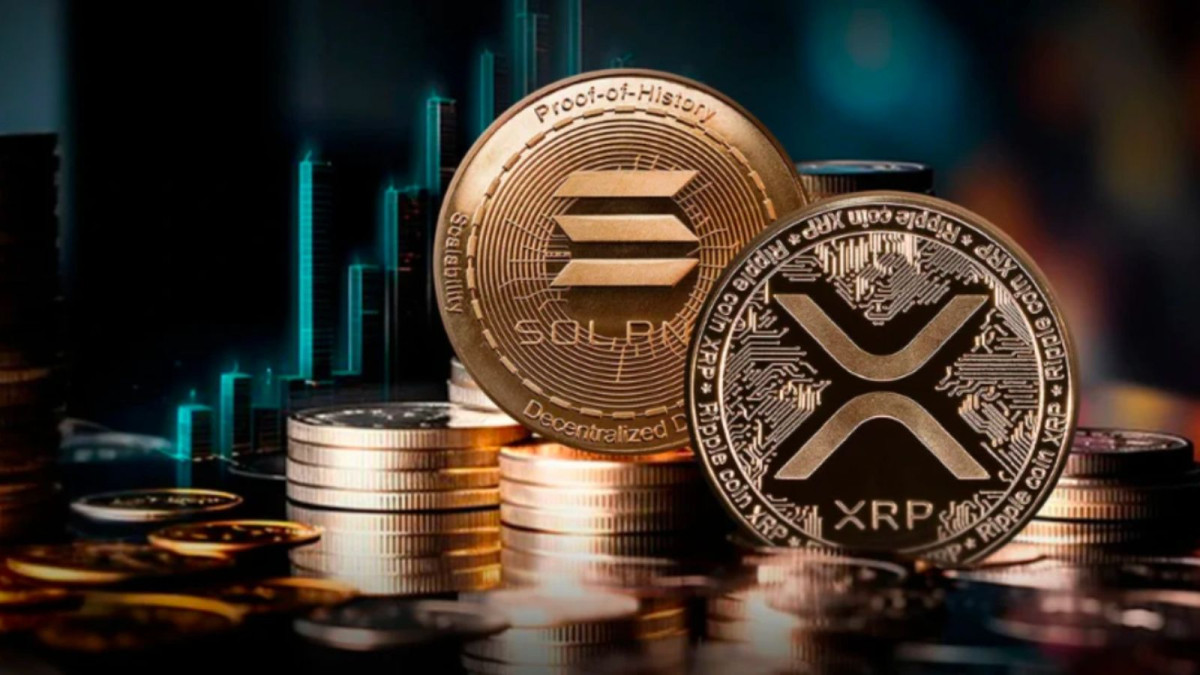
Wrapped XRP Launches on Solana

Wrapped XRP (wXRP) is now live on Solana, issued by regulated custodian Hex Trust and bridged securely via LayerZero, backed 1:1 of XRP that lets users trade, provide liquidity, lend, and earn yield across Solana’s DeFi apps.

This is the latest piece of a multi-chain rollout that Hex Trust detailed back in December 2025, as the same wXRP infrastructure is already operating on Ethereum, Optimism, and HyperEVM, giving XRP holders regulated on-ramps into deeper liquidity pools wherever DeFi happens. RippleX SVP Markus Infanger, noted the move addresses growing demand to use XRP across the wider crypto ecosystem and it aligns with Ripple’s own RLUSD stablecoin work. LayerZero handles the bridging that has captured the majority of reliable cross-chain volume after earlier bridge exploits elsewhere.
Major Solana based players such as Ondo Finance which has expanded tokenized treasury and equity products onto the network, and Superstate whose leadership has publicly endorsed Solana as one of only two viable chains for RWAs work alongside Ethereum now operate in a way where they can integrate wXRP straight into liquidity pools lending markets and atomic settlement flows.
At the same time, big institutions like BlackRock and Franklin Templeton are building on Solana with their own tokenized market funds. BlackRock brought its BUIDL fund which holds cash and Treasuries to deliver dollar yields to Solana, giving qualified investors fast, low-cost access to on-chain returns. Franklin Templeton did the same with its on-chain US Government Money Market Fund. WisdomTree brought its tokenized funds covering money markets, stocks, bonds, alternatives, and balanced portfolios, VanEck launched its low-fee Treasury bill fund VBILL, Hamilton Lane added tokenized access to private infrastructure and secondary funds, and Apollo made its ACRED private credit product available as collateral in protocols like Morpho. This lets firms keep their traditional compliance and custody setups intact while plugging these assets straight into Solana, so institutions can easily use wXRP for liquidity, collateral, or quick settlements.
Solana has been scaling RWA activity with tokenized ecosystems on-chain surpassing two billion dollars in value and protocols like Kamino handling over one billion dollars in real world asset deposits across isolated lending markets, where institutions borrow against assets and earn yield from cash flows. Ripple has targeted these kinds of entities through its custody solutions and partnerships with banks, including BBVA, DBS Bank, DZ Bank, Intesa Sanpaolo, and more recently Kyobo Life Insurance, for on-chain settlement and staking capabilities that now extend naturally to Solana networks.
There’s support across Phantom wallet, Jupiter Exchange, Meteora, and Titan Exchange, ensures that the infrastructure is ready for immediate use, which removes one of the frictions that has kept payment assets like XRP siloed from builders who prefer Solana for its sub-cent fees and near instant finality.
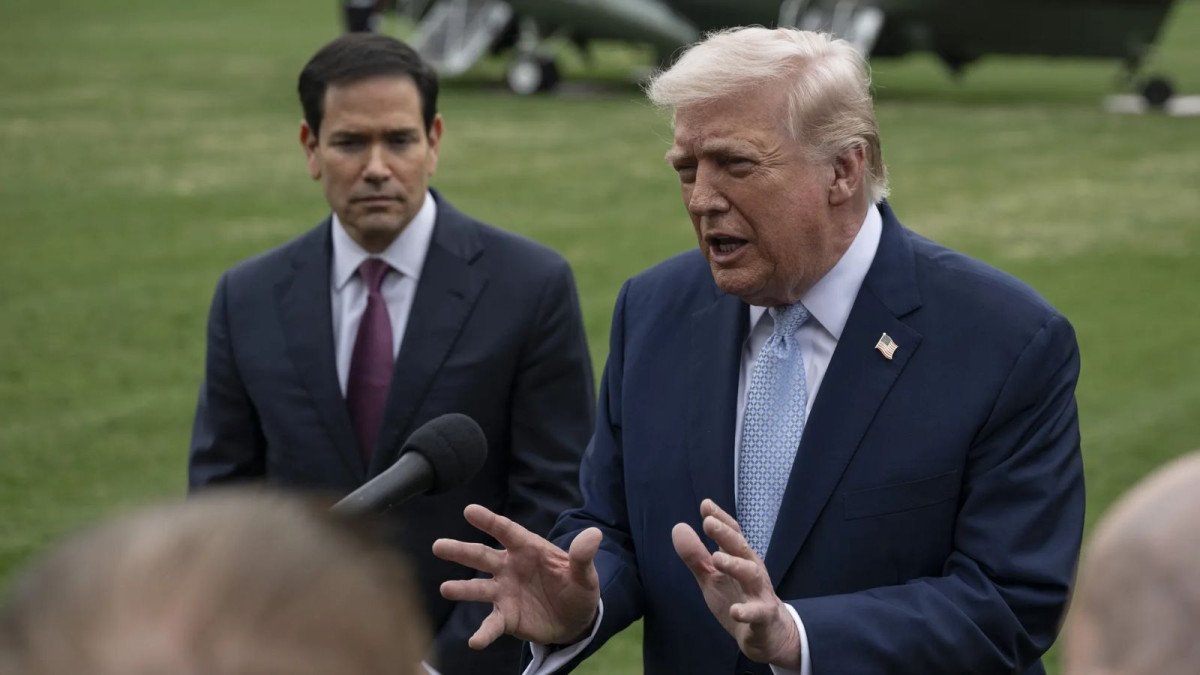
Bitcoin Climbs Past $71,000 as Trump Claims Iran Ceasefire

Bitcoin surged to $71,200 on Monday as investors are optimisitc on de-escalation of the Iran conflict.
The move started when President Trump posted on Truth Social that he had instructed the Department of War to postpone planned strikes against Iranian power plants and energy infrastructure for five days, following what he called "very good and productive" talks with Tehran. Crypto jumped roughly 5% on the news. Ether climbed above $2,100, BNB pushed through $650, and XRP traded above $1.40. Oil plunged around 11%, S&P 500 futures gained nearly 4%, and global markets added an estimated $2.5 trillion in value within about 20 minutes.
Then Iran's state-affiliated Fars News Agency cited an unidentified source denying any talks had taken place. Gains started reversing almost immediately. Bitcoin is now up about 2.5% on the day and down roughly 5% on the week, sitting just under $71,000 after hitting an intraday high of $71,224 per CoinGecko data.
The session is the latest chapter in a conflict that has rattled crypto markets since Operation Epic Fury launched on February 28, when the U.S. and Israel struck targets across Iran and killed Supreme Leader Ali Khamenei. Iran's subsequent blockade of the Strait of Hormuz, a critical chokepoint for global oil flows, has kept energy prices elevated and risk appetite suppressed. The Federal Reserve, meeting earlier this month against that backdrop, revised its 2026 inflation forecast upward to 2.7% and signaled a higher-for-longer stance on rates.
Despite the chaos, Bitcoin has held above its pre-war price level, a fact that has not gone unnoticed. When the strikes began on a Saturday morning and every traditional market was closed, crypto was the only liquid venue available for investors to respond. That 24/7 trading reality, once seen as a volatility risk, has started looking more like a feature.
The five-day pause, if it holds at all, does not end the conflict. Iran continues to strike targets across the Gulf, and Israel would need to sign on to any broader ceasefire. Israel has publicly said it has thousands of remaining targets and requires at least three more weeks of operations. Prediction markets currently favor a ceasefire by late April at the earliest.
Bitcoin's 30-day implied volatility index has bounced to 60%, and $791 million in total leveraged positions have been wiped across crypto markets this session according to CoinGlass, with $425 million of those being longs. The clock on Trump's five-day window is ticking, and so is the market's patience.
Ripple Integrates Hyperliquid for Institutional DeFi Access

Ripple is pushing further into decentralized markets.
The company said it will support Hyperliquid through Ripple Prime, its institutional brokerage platform, giving professional trading firms access to on-chain derivatives without having to interact directly with DeFi infrastructure.
For Ripple, the move is about meeting institutional demand where it already exists. Many hedge funds and asset managers want exposure to decentralized markets, but they still operate inside traditional risk, margin, and reporting systems. Ripple Prime is designed to sit between those worlds.
With Hyperliquid now supported, Ripple Prime clients can trade decentralized perpetual futures while managing exposure alongside more familiar products like FX and cleared derivatives.
What Changes for Institutions
The biggest shift here is not access, but structure.
Instead of setting up wallets, managing smart contracts, or splitting capital across multiple venues, institutions can route trades through Ripple Prime and maintain a single counterparty relationship. Margin, collateral, and reporting remain centralized, even though execution happens onchain.
That matters for firms that are comfortable trading derivatives but not interested in rebuilding their internal processes for DeFi. It also reduces capital inefficiencies that come from isolating on-chain positions from the rest of a trading book.
This is not retail access. It is aimed squarely at professional desks.
Why Hyperliquid Keeps Showing Up
Hyperliquid has become one of the more active decentralized derivatives platforms in crypto, largely because it does not feel like most DeFi exchanges.
It runs an on-chain order book instead of an automated market maker, which allows for tighter spreads and execution that better suits high-volume traders. Perpetual futures on major assets make up most of the activity, with new markets continuing to roll out.
That combination has drawn liquidity, which is still the hardest thing to build in decentralized markets. For institutions, liquidity tends to matter more than ideology.
Ripple’s support puts Hyperliquid in front of firms that may not have considered trading on a decentralized venue before.
Part of a Bigger Institutional Shift
This announcement fits into a wider trend across crypto infrastructure.
Firms that serve institutions are no longer treating DeFi as a separate category. Instead, they are trying to make it another venue, similar to how traditional desks access exchanges, clearing houses, or OTC markets.
Ripple’s approach reflects that thinking. The company is not asking institutions to learn DeFi. It is packaging DeFi in a way that looks familiar enough to be usable.
That model is starting to show up more often, especially as tokenized assets and on-chain credit products gain traction.
What It Means for XRP Markets
For XRP, deeper on-chain liquidity and derivatives access matter.
Derivatives tend to pull in more sophisticated traders, which can tighten spreads and improve price discovery over time. Connecting XRP-related markets to high-performance decentralized venues adds another layer to its institutional story.
It also shows how fragmented crypto markets are slowly being stitched together, with execution happening in one place and risk managed somewhere else.
Risks Are Still There
Decentralized derivatives come with obvious risks.
Leverage, liquidations, and volatility can move fast, and regulatory attention around perpetual futures is not going away. Even with a prime brokerage layer in front, institutions are still exposed to market dynamics that can get messy.
Ripple’s platform can simplify access and controls, but it does not remove those risks.
The Bottom Line
Ripple’s Hyperliquid support is not a flashy consumer announcement. It is infrastructure work.
It points to a future where on-chain markets are accessed the same way institutions already access everything else, through familiar systems, familiar counterparties, and familiar controls.
Whether that future scales depends on liquidity, regulation, and market demand. But for now, Ripple is clearly positioning itself to be part of that next phase.
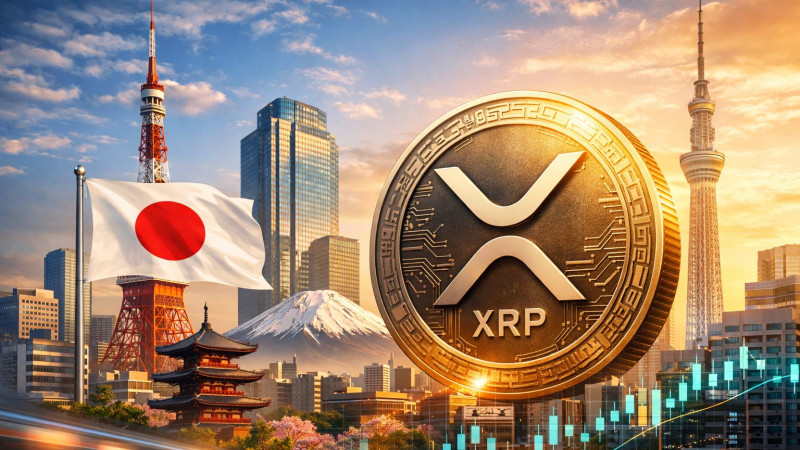
Japan’s XRP Integration Could Reshape Global Capital Flows

Japan is quietly laying some important groundwork that could make XRP more than just another crypto token. What’s happening now in Tokyo and in the country’s banking corridors could shape the way large pools of capital get sent across borders in the years ahead.
The big idea circulating among traders and institutional tech teams is that Japan is turning its regulatory and financial attention toward programmable settlement rails. XRP fits into that picture because it can move value fast and cheaply. But the real story is about infrastructure, banks, and the rules that let them play without fear of breaking the law.
Here’s what’s going on.
Regulation is Shifting from Theory to Reality
For years Japan has talked about clarifying how digital assets should be treated under the law. That conversation has been moving into serious policy change. Regulators in Tokyo are preparing updates that would treat crypto assets more like traditional financial products. That changes the risk profile for big incumbents. It makes it easier for banks and brokers to offer crypto services without special carve-outs or excessive legal gymnastics.
At the same time, Japan’s government has publicly backed projects from major banking groups to issue stablecoins. This is the kind of step that signals policymakers see on-chain settlement as more than a novelty. Stablecoins are the closest thing in crypto to digital cash, and when big banks start experimenting with them, it opens the door for broader adoption.
For XRP specifically, these regulatory shifts matter because they reduce uncertainty. If regulators are saying, “Yes, this is finance. Let’s give clear rules,” then large institutions are closer to saying, “Yes, we can build real products here.”
SBI and Ripple: A Relationship That Keeps Delivering
Much of the buzz around XRP in Japan centers on the work between SBI Group and Ripple. These two have been collaborating for years to push payment innovation, remittance services, and now regulated digital asset distribution.
One of the biggest developments to watch is the planned rollout of a regulated stablecoin called RLUSD in Japan. Ripple and SBI’s exchange arm have said they intend to bring it to market soon. While RLUSD isn’t XRP itself, it matters to XRP as part of the ecosystem. More regulated on-chain money means more use cases where a fast settlement asset like XRP can add real value.
If RLUSD gets traction and institutions start using it for real flows, that could create a halo effect for XRP. Liquidity and rails built around regulated tokens help the whole market.
What “Integration” Really Means
When the headlines say “Japan is adopting XRP,” it doesn’t literally mean every bank is running XRP nodes tomorrow. What’s actually happening is more nuanced. There are three main layers in play:
-
Remittance and payment rails The work between SBI entities and others to offer faster and cheaper cross-border payments is a base layer. XRP’s speed and low cost make it interesting here.
-
Regulated stablecoin frameworks These open the door for tokenized fiat in ways that Japan’s largest banks can legally touch.
-
Capital markets access If Japanese brokers and banks can offer structured products involving XRP, that could lead to real institutional capital flows.
That last part is what people mean when they talk about “global capital flows.” It’s not just remittance. It’s corporate treasury movement, fund flows, cross-border settlement in amounts that matter to institutional desks.
The Bigger Picture on Liquidity
For XRP to truly shine as a bridge asset, liquidity and execution quality have to be reliable around the clock. This isn’t just about regulatory licenses. It’s about markets that don’t freeze up when volatility hits. So while Japan might be creating the conditions for adoption, the rest of the ecosystem has to be ready too.
But here’s the positive spin: the institutional interest in XRP is no longer theoretical. It’s tied to real product plans, real regulatory engagement, and partnerships with major financial groups.
Why This Matters Outside Japan
If Japan ends up with a live, regulated stack that includes stablecoins, regulated exchanges, bank participation, and real settlement activity, that becomes a proof point. Other countries watch this stuff. When a major developed market shows it can integrate crypto tech with regulated finance, it marks a shift in global capital infrastructure.
That doesn’t guarantee XRP will win every corridor or every use case. But it does mean that XRP is not sitting on the crypto fringes. Japan’s approach shows it is being considered in serious planning for next-generation settlement rails.
What to Watch in the Coming Months
Real adoption doesn’t come from announcements alone. What we want to see is:
-
Live throughput on remittance corridors using on-chain settlement.
-
Institutional partners offering XRP exposure in regulated products.
-
Bank and broker integration that goes beyond pilot mode.
-
Stablecoin and regulated token use that actually moves significant value.
If those conditions start showing up in quarterly reports and product launches, then the narrative shifts from potential to performance.
Bottom Line
Japan is not shouting at the top of its lungs that XRP is the future money rail. What is happening is more meaningful. The country is building a compliant, regulated framework that makes it possible for assets like XRP to be used in real capital movement at scale.
In an industry where regulation and finance often move at glacial pace, this feels like movement. For XRP holders and anyone watching the evolution of cross-border settlement, that is headline-worthy. It might not be the revolution yet, but it could easily be the start of one.
Stay Connected
You can stay up to date on all News, Events, and Marketing of Rare Network, including Rare Evo: America’s Premier Blockchain Conference, happening July 28th-31st, 2026 at The ARIA Resort & Casino, by following our socials on X, LinkedIn, and YouTube.
XRP Plumbing Narrative Explained: How A New Identity Could Redefine Its Value
For most of its life, XRP lived in the same category as every other altcoin. It was bought, sold, hyped, criticized, and tossed around inside speculative market cycles. Most retail traders treated it like a token that might pump if the right catalyst appeared.
But something interesting has been happening recently. A growing number of industry analysts are talking about XRP in a very different way. They are not framing it as a speculative crypto asset anymore. They are framing it as financial plumbing, the behind the scenes infrastructure that moves value quietly, efficiently, and at scale.
This shift is subtle, and because it is subtle, most retail investors are not noticing it. Yet it completely changes how XRP might be valued in the future.
Let’s walk through what is going on, what is driving this shift, the challenges that still stand in the way, and then wrap up with three clear scenarios for XRP’s future.
The Core Idea, XRP as “Plumbing” Instead of a Speculative Asset
When people talk about XRP as plumbing, they mean this. XRP is starting to be viewed less like a crypto that sits in your portfolio, and more like a tool that helps value move through global financial pipes.
Instead of asking, “What price will XRP reach if hype returns”, the question becomes, “How important could XRP become inside institutional money movement, tokenized asset markets, and regulated digital finance”.
That is a very different lens. Speculation focuses on supply and demand among traders. Plumbing focuses on efficiency, liquidity depth, regulatory clarity, and integration with financial institutions.
A New Path is Unfolding
A major driver behind XRP’s shifting narrative is the increasing regulatory clarity surrounding stablecoins. Stronger rules are giving properly backed, transparent, and compliant stablecoins a legitimate path into institutional finance. Ripple’s own USD stablecoin, RLUSD, fits neatly into that environment, and when it works alongside XRP as a liquidity bridge, it creates a practical two asset system. One provides stability, the other enables frictionless movement, and together they make the plumbing use case far more realistic.
At the same time, Ripple has been building out a full institutional infrastructure behind the scenes. This includes custody solutions, prime brokerage functions, compliance frameworks, settlement services, and liquidity routing technology. These are not the features retail investors typically pay attention to, but they are exactly the elements banks, funds, and corporate treasuries evaluate when assessing new financial rails.
Access is also expanding on the investment side. As XRP becomes available through regulated financial products and channels that institutions are allowed to use, it enters a different category entirely. Professional investors do not care about hype cycles. They care about liquidity depth, regulatory confidence, reliable execution, and scalable settlement infrastructure. XRP now aligns with more of those requirements than it did in previous cycles.
The broader movement toward tokenization is accelerating across the financial world. Tokenized money, tokenized treasuries, tokenized securities, and tokenized real world assets all require efficient liquidity pathways. Something has to connect the value moving between these systems, and XRP was designed to play that bridging role. While adoption is not guaranteed, the increasing focus on tokenization makes XRP relevant in a way that aligns directly with its original purpose.
The Roadblocks That Still Matter
Nothing here is guaranteed, and the plumbing thesis still comes with meaningful challenges that could slow or limit XRP’s role in global settlement. One major concern is that regulated stablecoins may eventually dominate digital settlement on their own. If the market consolidates around a few widely trusted stablecoins, liquidity could flow directly between them without needing a bridge asset, which would reduce the need for XRP entirely.
Institutional adoption is another hurdle. Ripple’s partnerships generate headlines, but what really matters is settlement volume, and banks do not update core systems quickly. Compliance teams move cautiously, legacy infrastructure is slow to change, and most institutions remain in testing phases rather than scaling real usage.
Token concentration also remains a sensitive topic. Ripple still holds a significant amount of XRP, and even though those holdings are managed responsibly, institutions pay attention to concentration risk. It introduces concerns about governance, supply dynamics, and long term stability.
On top of that, some analysts question the depth of XRP’s real world utility. Critics argue that internal liquidity mechanisms, even if efficient, may not significantly influence open market behavior. This skepticism exists whether it is justified or not, and it shapes how institutions evaluate XRP’s long term role.
Finally, timing matters. Even strong, well structured narratives can take years to unfold. The plumbing thesis represents a potential future, not a fully realized one, and market adoption may move slower than advocates hope.
What This Means for Valuation
A speculative token gets valued one way. A piece of financial infrastructure gets valued another way entirely.
If XRP becomes an institutional liquidity tool, then the important metrics shift to things like:
- Settlement volume and frequency
- Liquidity depth across corridors
- Institutional usage rates
- Role inside tokenized markets
- Interoperability with regulated stablecoins
This flips the model. Instead of XRP being valued for potential hype, it is valued for the amount of value that flows through it.
That could have very different implications for future pricing.
What Could This Mean For XRP Moving Forward?

1. The Base Case, Slow but Steady Infrastructure Adoption
In this outcome, XRP grows gradually.
Banks adopt tokenized settlement at a slow, practical pace. Ripple expands its partnerships in a methodical way, focusing on compliance, stablecoin integration, and regional corridors.
XRP’s price does not explode, but it does become more stable over time. Instead of hype cycles, it behaves more like an infrastructure asset, rising as volumes rise.
This is the most reasonable and likely path.
2. The Bull Case, XRP Becomes a Core Liquidity Layer for Tokenized Finance
This is the scenario where everything aligns.
Stablecoin regulation matures globally. Tokenized assets grow into a multi trillion dollar market. Banks begin shifting actual settlement activity, not just messaging, onto digital ledgers. Ripple’s infrastructure becomes a go to option for instant liquidity and cross border flow routing.
In this world, XRP volume surges, liquidity deepens, and the asset becomes foundational infrastructure rather than an investment bet. Price appreciation would be driven by real usage, not hype.
This is the dream scenario many XRP holders talk about. It is possible, but it requires several major shifts across finance to happen in the right order.
3. The Bear Case, Stablecoins Dominate and XRP’s Role Shrinks
In the bear scenario, regulated stablecoins become the default for nearly all digital settlement. Banks rely on tokenized fiat and tokenized treasuries, but bridge assets like XRP fail to gain traction. Liquidity routes directly between stablecoins, not through XRP.
Ripple still exists, still builds, and still offers services. But XRP’s role becomes smaller, and its market relevance relies mostly on niche corridors and internal Ripple usage.
Price remains range bound, and the narrative weakens over time.
The most important thing to know is this. XRP is undergoing an identity shift that most casual investors are not paying attention to.
It is moving from being treated like a speculative token to being viewed as a real piece of global financial infrastructure. That does not guarantee massive price action. It does not guarantee institutional adoption. But it does give XRP a much clearer and more mature path than it had a few years ago.
Whether this path becomes reality depends on regulation, stablecoin evolution, institutional behavior, and the growth of tokenized markets. But the narrative is stronger and more coherent than it has ever been.
Stay Connected

You can stay up to date on all News, Events, and Marketing of Rare Network, including Rare Evo: America’s Premier Blockchain Conference, happening July 28th-31st, 2026 at The ARIA Resort & Casino, by following our socials on X, LinkedIn, and YouTube.
Firelight Brings Liquid Staking and DeFi Insurance to XRP Through stXRP
Firelight Enables XRP Staking on Flare
The crypto world moves fast, but some changes matter more than others. Firelight’s new launch brings what may be XRP’s biggest upgrade ever: staking, liquidity, DeFi access and on-chain insurance coverage. If all goes well, this could turn XRP from a utility-only token into a full-blown DeFi powerhouse.
What’s Changing for XRP
-
For the first time, XRP holders can stake through Firelight (on Flare Network) and receive a liquid staking token called stXRP.
-
Instead of locking up XRP and losing liquidity, stXRP remains usable. You can trade it, use it as collateral, or deploy it in other DeFi protocols.
-
The staking doesn’t just promise passive yield. It’s tied to real utility: the staked XRP helps underwrite on-chain insurance and risk coverage for DeFi services built on Flare. That means your stake supports security and stability in the ecosystem.
-
Firelight aims to be institutional-grade: audited, transparent, and designed with safety in mind.
In short: you stake XRP, you get yield, and your tokens stay liquid and useful.
Why This Is a Big Deal for XRP and DeFi
1. Unlocking Dormant Liquidity
XRP has long been one of the largest crypto assets by market cap, but it has lacked real DeFi utility. Many wallets sat idle. Firelight changes that. By allowing liquid staking and flow into DeFi, it mobilizes that locked-up capital. That could mean billions of previously idle XRP suddenly gain purpose and productivity.
2. Yield + Utility, Without Tradeoffs
Before, staking often meant giving up liquidity or locking assets. With stXRP you keep the flexibility. You get staking rewards and still have access to DeFi’s opportunities: lending, liquidity pools, swaps, whatever the ecosystem builds.
3. Insurance-Backed DeFi: A Huge Step for Confidence
A major barrier to institutional and large-scale DeFi participation has always been risk. Hacks, exploits, smart contract failures — they all happen. Firelight’s model uses staked XRP to underwrite on-chain insurance and risk cover. That adds a safety layer many investors and institutions require before touching DeFi.
4. Composability: Building Blocks for a Bigger Ecosystem
stXRP is just the start. Because it’s an ERC-20 style token on Flare’s DeFi-connected layer, it can be used across multiple protocols, platforms, and applications. That composability is the secret sauce, it allows developers to build new financial products around staked XRP, turning a single token into a much bigger ecosystem.
5. Institutional-Grade Infrastructure Means Institutions Might Pay Attention
Firelight isn’t a small-time project. It’s audited, built with security-first in mind, and designed to meet regulatory & institutional standards. Combined with rising Total Value Locked (TVL) on Flare Network, and growing interest from traditional finance players bridging into crypto, this setup may attract more serious money than retail hype ever could.
What Could Still Hold This Back
Of course nothing is without risk. A few things to watch:
-
Liquidity and adoption need to scale for stXRP to really matter. If not many people stake or use stXRP, yield and ecosystem growth could stay limited.
-
As with any DeFi or bridging infrastructure, smart contract risk remains. Even audited systems can have bugs.
-
Regulatory or compliance pressure might impact how institutions view liquidity-backed staking or on-chain insurance.
But Firelight seems to have built around many of these issues. Its structure, transparency and focus on insurance-backed coverage add a layer of protection many older staking models lacked.
Why This Could Be the Moment XRP Needed
For years, XRP supporters argued that the token had potential beyond payments and cross-border transfers. Firelight’s launch may finally deliver on that promise.
Rather than just holding XRP in a wallet and watching it sit idle, holders now have a real path to yield, utility, liquidity and financial empowerment. The crypto space is shifting. Yield, composability, security and utility are becoming the driving factors. Firelight puts XRP squarely in that game.
If the ecosystem rallies around this...developers build, holders stake, adoption grows. Firelight could be remembered as the moment XRP moved from legacy rails into the heart of DeFi.
For anyone holding XRP or watching the DeFi space, this is one to follow closely.
Stay Connected
You can stay up to date on all News, Events, and Marketing of Rare Network, including Rare Evo: America’s Premier Blockchain Conference, happening July 28th-31st, 2026 at The ARIA Resort & Casino, by following our socials on X, LinkedIn, and YouTube.
Franklin Templeton Launches XRPZ ETF as Institutional Demand for XRP Accelerates
Franklin Templeton Debuts XRPZ ETF, Signaling a Major Shift for XRP and Institutional Crypto
Franklin Templeton has officially launched its spot XRP exchange-traded fund, the XRPZ, marking a watershed moment for the tokenized asset ecosystem. The debut of this ETF puts XRP in the spotlight as institutional capital flows begin to align with altcoins beyond Bitcoin and Ethereum.
With the backing of a $1.5 trillion asset manager, the XRPZ ETF offers regulated exposure to XRP via familiar equity channels, dramatically reducing operational, custody and regulatory friction for large allocators. It is a major validation of XRP’s role in what is evolving from retail crypto trading to long-term institutional infrastructure.
What the XRPZ ETF Involves
The IRA filings, S-1 amendments and DTCC listings confirm that Franklin Templeton is serious about launching the ETF under the ticker XRPZ. Among the structural details:
-
The fund is designed to hold XRP tokens as its primary asset, tracking the spot price of XRP rather than derivatives exposure.
-
Franklin used a shortened “8(a)” clause in its amended S-1 filing, enabling automatic effectiveness after 20 days unless the U.S. Securities and Exchange Commission intervenes, mirroring strategies used for altcoin ETFs earlier in the year.
-
The fund appeared on the Depository Trust & Clearing Corporation (DTCC) database ahead of trading, an early signal that the operational infrastructure (fund registration, clearing, custody) is in place.
-
The ETF carries a low management fee (notably 0.19 %) and in some reports the sponsor fee is waived for the first USD 5 billion in assets under management, enhancing appeal for large institutions.
-
Analysts estimate that XRP spot ETFs, including XRPZ, could attract billions of dollars in inflows over the coming months, materially altering supply-demand dynamics for XRP.
The significance lies in the nature of the issuer. Franklin Templeton is a deeply established financier, trusted by pension funds, retirement plans and advisory networks. Its entry into XRP means the asset is now accessible through mainstream legacy finance rather than purely crypto-native channels.
Institutional Implications: Opening the Floodgates for XRP
1. Institutional On-Ramp
Large financial advisory firms, traditional asset managers and pension portfolios previously avoided exposure to altcoins due to custody, regulatory and operational challenges. With XRPZ, they can gain XRP exposure through a familiar wrapper, potentially unlocking large amounts of capital.
2. Shift in Narrative
XRP has long been viewed as a remittance or settlement token rather than a broad investment asset. The ETF elevates XRP into the asset allocation conversation. The narrative now becomes about yield, infrastructure, tokenized finance and institutional adoption.
3. Supply Pressure Relief
Spot ETFs create demand that pulls tokens off open markets and into long-term holders. As XRP becomes part of ETF-held assets, fewer tokens circulate, tightening supply. At the same time, inflows from new investors broaden the holder base beyond short-term traders.
4. Regulatory Maturation
The fact that prime asset managers are being approved to list spot XRP ETFs signals institutional-grade regulatory comfort with what was once considered controversial. This legitimacy is critical for large scale adoption and asset allocation.
Market & Price Impact: What to Watch
While the broader crypto market remains volatile, the launch of the XRPZ ETF offers several catalysts for XRP’s next phase:
-
Analysts suggest that first-day volumes for XRP ETFs could approach or exceed $200 million, rivaling other major altcoin ETF launches earlier in 2025.
-
XRP price behavior may respond to the ETF wave rather than purely market sentiment. Analysts now forecast higher endpoints for XRP, ranging USD 3.50 to USD 4.50 or more, if institutional flows continue.
-
Supply metrics such as tokens on exchanges, large-wallet accumulation and daily active holders will become increasingly relevant. Any sustained reduction in exchange reserves supports upward pressure.
-
The token unlock schedule for XRP and the ETF’s holdings will influence whether the move becomes a sustained trend or a short-term spike.
-
ETF adoption is likely to materialize gradually, peppered through advisory firm allocations, retirement plan inclusions and wealth-management flows rather than a single instant tsunami.
Key Considerations and Possible Risks
Even with the positive outlook, several factors remain uncertain:
-
Regulatory risk persists. Although the filing uses “automatic-effect” language, the ETF still depends on the SEC not blocking the listing within the timeframe.
-
Market timing. If broader crypto sentiment remains weak, the ETF launch may be delayed, muted or overshadowed by macro factors.
-
Supply-side pressure. If a large number of XRP tokens come off lock-ups or distributions coincide with the launch, price impact may be dampened.
-
Competition. Other digital asset products and ETFs are launching across altcoins. XRP must deliver utility, not just access, to maintain momentum.
-
Implementation risk. Even with an ETF wrapper, custody, audit, tracking and infrastructure must work faultlessly to satisfy institutional standards.
Why XRPZ Could Mark a Turning Point
Franklin Templeton has chosen a moment where regulatory, market and institutional conditions align. The ETF is not merely a product, it is a signal that crypto infrastructure is entering the mainstream. XRP’s upgrade from speculative token to a major asset allocation tool is underway.
For investors evaluating crypto beyond Bitcoin and Ethereum, XRP offers a new frontier. Its lineage in settlement, its emerging ETF access, and the institutional backing now assembling make it uniquely positioned. Provided adoption continues, the tailwinds may significantly favor XRP in 2026.
The debut of the XRPZ ETF by Franklin Templeton represents a milestone in the evolution of digital assets. It paves the way for institutional capital to flow into XRP via conventional investment vehicles and sets a precedent for other altcoins. The long-term outlook for XRP may now shift from speculative volatility toward infrastructure-driven growth.
If institutions commit, supply tightens and adoption accelerates, XRP could quietly become one of the most important digital assets in the next phase of blockchain evolution. Its moment has arrived—and the system is ready to scale.
Stay Connected
You can stay up to date on all News, Events, and Marketing of Rare Network, including Rare Evo: America’s Premier Blockchain Conference, happening July 28th-31st, 2026 at The ARIA Resort & Casino, by following our socials on X, LinkedIn, and YouTube.
Canary Capital XRP Spot ETF Set to Begin Trading November 13
Canary Capital XRP Spot ETF Set for Trading on November 13th
Canary Capital is poised to launch what could become the first major U.S. spot ETF tied to XRP on November 13, 2025. The firm updated its S-1 registration to remove a delaying amendment that previously gave the U.S. Securities and Exchange Commission (SEC) indefinite discretion over timing. With that procedural hurdle cleared, the launch date now stands as scheduled, assuming final exchange filings are completed without new regulatory objections.
What changed in the filing
-
The updated S-1 submission eliminates the “delaying amendment” that prevented automatic effectiveness under Section 8(a) of the Securities Act of 1933.
-
Without that clause, the filing can become auto-effective after a 20-day waiting period unless the SEC raises substantial comments.
-
With this obstacle removed, the fund is tracking toward a November 13 launch, contingent on approval of its Form 8-A listing with the Nasdaq Stock Market and final clearance from the exchange.
-
The timing follows the same process used by other altcoin spot ETFs launched by Canary Capital, including products for Solana, Litecoin and Hedera. These also relied on the auto-effective mechanism.
Why it matters for XRP and the crypto market
-
A spot ETF for XRP dramatically expands investor access by enabling exposure through standard brokerage accounts. Investors will not need self-custody or direct interaction with crypto exchanges.
-
Institutional demand is expected to be significant. XRP has one of the largest global user bases in the digital asset sector. Many analysts believe the ETF could attract substantial inflows during its first months of trading.
-
The launch arrives during a broader shift in U.S. regulatory policy. Regulators have recently approved generic listing standards for spot crypto ETFs, creating a path for assets other than Bitcoin and Ethereum.
-
If the listing proceeds as planned, November 13 could become a landmark moment for altcoin investment products and a sign that regulated crypto ETFs are entering mainstream financial markets.
Launch mechanics and product details
-
The ETF will trade on Nasdaq or another major U.S. exchange under a ticker that Canary Capital has not yet confirmed. Several filings suggest the ticker may be “XRPC.”
-
The fund is structured as a Delaware statutory trust and will hold direct spot XRP. No futures or synthetic exposure will be used.
-
Custodial providers and market makers are reportedly in place to support liquidity and orderly trading on the first day.
-
The removal of the delaying amendment gives the fund a direct legal path to launch. Unless the SEC issues new comments, the product will go live automatically on the expected date.
Risks and remaining conditions
-
Although the date is targeted and procedurally aligned, the launch still depends on final exchange filings such as Form 8-A and the absence of additional SEC review. Any new staff comments could delay effectiveness.
-
The auto-effective pathway speeds up the process, but it does not guarantee that the SEC will not exercise its authority to halt or modify the filing.
-
As with all crypto-related ETFs, the product carries risks such as volatility, liquidity fluctuations, custody risk and potential tracking differences between the ETF and spot XRP.
-
High expectations may pose additional pressure. If initial trading performance does not meet market enthusiasm, sentiment could shift quickly.
What to watch next
-
Official confirmation of the ETF ticker and the listing exchange.
-
Announcements from authorized participants and liquidity providers, which will shape the ETF’s trading quality.
-
Secondary market trading volume and creation-unit activity once the fund opens.
-
XRP price action as markets react to the upcoming launch and investors position ahead of the date.
-
Additional regulatory updates that may impact this ETF or future altcoin ETFs.
Final thoughts
Canary Capital’s spot XRP ETF represents one of the most significant steps yet toward expanding regulated crypto products beyond Bitcoin and Ethereum. If the ETF goes live on November 13, 2025, it will open the door for broader institutional involvement in XRP and potentially set the stage for additional altcoin ETFs.
For XRP holders, the launch could bring new sources of liquidity, price discovery and market legitimacy. For the industry at large, it signals a shift toward regulated access points for digital assets. Success, however, will depend on smooth execution, clear communication from regulators and strong market participation once trading begins.
All indicators suggest that the launch is on track. Unless regulators introduce unexpected changes, November 13 could become a historic date for crypto investment products.
Stay Connected
You can stay up to date on all News, Events, and Marketing of Rare Network, including Rare Evo: America’s Premier Blockchain Conference, happening July 28th-31st, 2026 at The ARIA Resort & Casino, by following our socials on X, LinkedIn, and YouTube.
Ripple Raises $500 Million at $40B Valuation, Signaling Strong Institutional Confidence in Crypto
Ripple Raises $500 Million at $40 Billion Valuation, Signaling Surging Institutional Confidence in Crypto
Ripple Labs has announced a landmark $500 million fundraising round led by affiliates of Fortress Investment Group and Citadel Securities, propelling its valuation to approximately $40 billion. The raise cements Ripple’s position among the most valuable private blockchain companies in the world and underscores a powerful shift in institutional sentiment toward digital assets and crypto infrastructure.
Major participants in the round reportedly include heavyweight firms such as Pantera Capital, Galaxy Digital, Brevan Howard, and Marshall Wace, marking one of the most significant institutional-backed financings in the digital asset sector to date. Ripple’s leadership described the round as “a signal that blockchain infrastructure is moving from experimentation to mainstream adoption.”
A Strategic Expansion Beyond Payments
Ripple’s identity has long been associated with its cross-border payment technology and the XRP Ledger, but the company has spent the past several years expanding its footprint into institutional finance and enterprise-grade blockchain infrastructure.
This raise is intended to accelerate that strategy. Ripple plans to deploy the new capital across several key business segments, including stablecoin development, digital asset custody, prime brokerage services, and enterprise treasury solutions.
CEO Brad Garlinghouse noted that the company’s focus now extends far beyond the XRP token, emphasizing Ripple’s ambition to build “the next-generation infrastructure for global value exchange.”
Ripple has already launched its U.S. dollar stablecoin, RLUSD, which recently surpassed $1 billion in circulation, and the company’s acquisition of Metaco earlier this year established its presence in institutional digital asset custody. The new capital will help scale both of these ventures, as well as expand Ripple’s global payments and liquidity network, which has already processed nearly $100 billion in volume this year.
A Bullish Signal for Institutional Crypto Adoption
The participation of global financial powerhouses such as Fortress and Citadel is a major signal for the broader crypto market. It represents a notable shift from skepticism to conviction among traditional finance institutions, many of which are now actively positioning for the tokenization of assets, the growth of stablecoins, and blockchain-enabled payments.
The timing of the raise also reflects a broader resurgence of confidence in digital assets. Bitcoin’s continued strength above six figures, renewed attention on real-world asset tokenization, and rising institutional demand for compliant crypto infrastructure have all contributed to a more mature and sustainable growth environment.
Ripple’s successful raise at such a high valuation suggests that institutional investors see the company not merely as a crypto firm, but as a core component of global financial modernization. It represents the convergence of blockchain technology and traditional finance, a theme that has gained enormous traction as banks, funds, and corporates explore on-chain settlement and tokenized instruments.
Ripple’s Expanding Role in the Financial Ecosystem
The new capital positions Ripple to strengthen its role as a trusted partner for banks, governments, and enterprises looking to bridge traditional financial systems with blockchain innovation.
The company’s growing suite of products—ranging from cross-border payment solutions to custody, stablecoin issuance, and liquidity management—makes Ripple one of the few blockchain firms offering an institutional-grade platform that can integrate directly with existing financial infrastructure.
Ripple’s continued collaboration with regulators and financial institutions has also helped build credibility at a time when compliance and governance are key differentiators. Its ability to maintain relationships with central banks, sovereign partners, and large enterprises gives it a unique advantage as the financial industry transitions into tokenized models.
The Broader Message for the Crypto Industry
Ripple’s raise is more than a company milestone—it is a reflection of the growing institutionalization of crypto and blockchain technology. The same financial institutions that once viewed digital assets with caution are now leading billion-dollar funding rounds and integrating blockchain rails into their own operations.
This is part of a wider trend reshaping global finance. The lines between traditional banking, fintech, and crypto are blurring, and firms like Ripple are at the center of this transformation. As capital markets evolve toward digital-native assets, the companies that provide trust, scalability, and compliance will become the foundation of the next financial era.
Institutional investors increasingly view blockchain infrastructure as essential, not experimental. Ripple’s $40 billion valuation confirms that belief, underscoring the market’s confidence in the future of regulated, enterprise-grade crypto solutions.
Final Thoughts
Ripple’s $500 million raise represents a turning point not only for the company but for the broader digital asset industry. With leading global financial institutions now backing its vision, Ripple is positioned to become a cornerstone of blockchain-powered finance.
The company’s expansion into stablecoins, custody, and institutional liquidity services shows that it is evolving into a full-stack financial technology provider capable of powering the next generation of value exchange.
For the crypto ecosystem, this moment carries a clear message: institutional adoption is no longer theoretical—it is happening. Ripple’s success highlights how established players in finance are no longer standing on the sidelines but are actively investing in and shaping the future of blockchain infrastructure.
As capital flows, partnerships grow, and regulatory clarity improves, Ripple’s rise reflects the dawn of a more connected, compliant, and credible era for global crypto finance.
Stay Connected
You can stay up to date on all News, Events, and Marketing of Rare Network, including Rare Evo: America’s Premier Blockchain Conference, happening July 28th-31st, 2026 at The ARIA Resort & Casino, by following our socials on X, LinkedIn, and YouTube.
The Snapback: Crypto Market Rebounds With BTC Re-Claiming $110K
After one of the year’s ugliest flushes, crypto flipped the script fast. Bitcoin reclaimed the $110k handle while Ether pushed back above $4k, classic signs that dip buyers (and not just tourists) stepped in with conviction. The sharp selloff was followed by an even sharper recovery, reflecting a market that has matured and grown deeper in liquidity.
What Changed? Three Forces Behind the Bounce
1. Structural demand via ETFs kept soaking supply
Spot ETF flows did not vanish during the downdraft; they re-accelerated as prices stabilized. U.S. spot bitcoin ETFs notched another billion-dollar net inflow day in early October, confirming persistent institutional demand. That steady bid is a big reason BTC recaptured the $110k area quickly.
2. Leverage was flushed, then reset
The crash featured a historic derivatives wipeout, followed by some of the lowest (even negative) funding prints since the 2022 bear. Translation: weak hands and over-levered longs were forced out, making room for a healthier advance. Post-flush markets tend to rally on lighter, stickier positioning, and that is exactly what we saw.
3. On-chain accumulation showed real buyers stepping in
On-chain analyses pointed to renewed net accumulation among small and mid-sized BTC holders (1–1,000 BTC) through early and mid-October, even as price swooned, while whale distribution slowed. That pattern historically accompanies durable bottoms and resilient advances.
Price Action Context: The Levels That Mattered
Technically, the market defended the $107k–$110k zone that traders flagged as the must-hold area. From there, a fast squeeze carried BTC back toward mid-range levels, with resistance now defined into the $116k–$123k band. A decisive reclaim opens a run at prior highs. Losing $107k on a closing basis would muddy the picture. For ETH, reclaiming and holding above $4k re-establishes a constructive structure for Q4.
Macro and Flows: Why Dips Are Getting Bought Faster
-
Institutional access is broadening with firms like BlackRock pushing to expand bitcoin-linked products for global investors. More pipes mean more sticky capital.
-
Despite headline shocks, prices stabilized near $110k for BTC and about $4k for ETH as geopolitical jitters faded and ETF demand reappeared. The quick stabilization after tariff-driven volatility is exactly what you expect in a maturing, institutionally supported market.
Why This Looks Like the “Right Kind” of Bullish
-
Positioning is cleaner. Funding and open interest washed out; rallies off cleansed positioning tend to travel farther.
-
Breadth improved. BTC and ETH reclaimed psychologically important levels together, a healthier look than a one-asset squeeze.
-
Flows remain a tailwind. Billion-dollar ETF inflows this late in the cycle imply incremental buyers still exist, and they churn less than retail exchange flow.
The (Few) Ways This Can Still Go Wrong
-
Macro surprise: A hawkish Fed or renewed trade escalation could sap risk appetite quickly.
-
Key supports fail: A clean break back below $107k for BTC would turn this from “buyable dip” into “range breakdown.”
What Happens If the Trend Continues?
If momentum builds from here, several scenarios open up:
-
Bitcoin could retest all-time highs sooner than expected. With institutional inflows consistent and leverage reset, a sustained push through $123k could open the door to a swift run toward $130k to $140k.
-
Ethereum’s $4k reclaim could spark rotation. ETH often lags BTC, but if it can maintain $4k as a base, the next leg toward $5k comes into focus. That strength could spill into the broader smart contract sector.
-
Altcoins may accelerate. With SOL, ADA, and XRP already showing stronger percentage rebounds from the lows, a risk-on environment could see these outperform BTC in percentage terms.
-
Longer-term capital could flood in. Each sharp recovery strengthens the narrative that crypto is no longer a purely speculative playground but a maturing asset class. That perception could drive pension funds, sovereign wealth entities, and conservative allocators to gradually step in.
Bottom Line
This rebound was not just hope and hopium. It had structure (ETF inflows), positioning (deleveraging), and participation (on-chain accumulation), the trifecta you want for a durable leg higher. While external shocks remain a risk, the market’s ability to recover swiftly from a record liquidation event suggests the path of least resistance remains up into year-end.
If this trend holds, the story of Q4 might not be the crash, but how quickly crypto turned it into fuel for the next rally.
Ripple $1B GTreasury Move Unlocks RLUSD Pathway into Corporate Treasuries
In a strategic leap bridging DeFi and traditional finance, Ripple has acquired GTreasury for $1 billion — a move that creates a direct pipeline for its regulated stablecoin RLUSD into Fortune 500 treasuries and institutional finance. The implications are huge: unlocking idle capital, enabling 24/7 liquidity, and embedding digital assets into core corporate finance tools.
Here’s a full walkthrough of what this means — and why it matters.
What Exactly Happened
-
Ripple announced it would acquire GTreasury, a leading treasury management software firm, valued at about $1 billion.
-
GTreasury offers SaaS solutions used by corporations to manage cash, liquidity, risk, foreign exchange, and forecasting.
-
By folding GTreasury into its stack, Ripple gains access to its client base (including large enterprises and Fortune 500s), as well as compliance infrastructure, finance tooling, and corporate relationships.
-
The acquisition positions RLUSD — Ripple’s regulated, USD-backed stablecoin — to serve as the settlement asset for tokenized treasuries and capital flows within corporate finance.
-
The deal is pending regulatory approvals and is expected to close in the coming months.
Why This Is a Big Deal
1. RLUSD Gains a Fast Lane into Big Finance
One of the central narratives is that this acquisition accelerates the ability for RLUSD to enter the strategic treasury flows of large companies. This has been a goal echoed in earlier analyses: that RLUSD’s real promise is as a bridge between onchain capital and corporate finance.
The GTreasury acquisition gives Ripple the infrastructure and relationships necessary to embed RLUSD into real-world liquidity systems and cash management workflows.
2. Tokenized Treasuries Take Off on XRPL
Ripple has also pushed forward on deploying tokenized U.S. Treasuries on the XRP Ledger (XRPL). For example:
-
Ondo Finance’s OUSG (short-term US government treasuries) is now live on XRPL, letting qualified purchasers mint and redeem securities using RLUSD onchain, around the clock.
-
This integration demonstrates the functioning bridge: tokenized treasuries becoming accessible via RLUSD settlement — making treasury assets move with the speed, composability, and liquidity of crypto instruments.
-
RLUSD is now active in tokenized treasury markets via partnerships (e.g. with Securitize), enabling instant settlement, atomic transfers, and 24/7 liquidity.
These developments show the ambition: not just to build DeFi primitives, but to make core finance assets programmable, liquid, and interoperable.
3. Corporate Treasury Adoption of XRP Crosses $1B
This move also occurs in the context of growing corporate adoption of XRP in treasuries:
-
Several publicly traded firms have announced plans to raise capital to build XRP-centered treasury reserves, with total commitments nearing $1 billion.
-
Singapore’s Trident Digital (a Nasdaq-listed firm) aims to raise $500 million to house XRP in its treasury, staking its future on the Ripple ecosystem.
-
Other companies across sectors — energy, logistics, fintech — are quietly setting aside capital for XRP allocations as part of treasury diversification strategies.
Such adoption signals increasing institutional confidence in XRP’s role beyond speculation, as a working building block of corporate capital management.
4. A Strategy of Stacking Acquisitions
This is not Ripple’s first major move in 2025:
-
Earlier, Ripple acquired Hidden Road, a prime brokerage firm, for ~$1.25 billion.
-
It also acquired Stellar Rail, a payments/stablecoin infrastructure platform.
The GTreasury acquisition fits into a coherent vision: build out a full-stack, enterprise-focused financial infrastructure combining payments, capital markets, and treasury tooling.
Key Risks & Challenges to Watch
While the potential is significant, there are real challenges ahead:
-
Regulatory approval: The deal must navigate securities, fintech licensing, and national oversight in multiple jurisdictions.
-
Integration complexity: Merging GTreasury’s legacy systems and client relationships with Ripple’s blockchain-based stack is nontrivial.
-
Trust & adoption friction: Convincing legacy treasurers to adopt RLUSD and onchain tools over trusted systems will take time and proof.
-
Volatility & reserve mechanics: RLUSD must maintain stability and credible reserves (e.g. U.S. Treasuries, cash) to function as a safe settlement asset.
-
Competition & standards: Other stablecoins, tokenized asset platforms, and blockchain infrastructure providers are racing toward similar goals.
What to Watch Next
Here are the near-term developments to monitor:
-
Closing of the GTreasury acquisition and how Ripple integrates its client base into RLUSD flows
-
Expansion of tokenized treasury products on XRPL, and how many institutions adopt minting/redeeming via RLUSD
-
How RLUSD’s reserves and backing evolve — how much in U.S. Treasuries, cash, etc.
-
Corporate announcements from Fortune 500 / large CFOs adopting RLUSD-based treasury operations
-
Regulation or guidance from U.S. and global authorities concerning stablecoins, treasury operations, and tokenized securities
The Bigger Picture
Ripple is signaling its ambition to be more than a payments provider or blockchain infrastructure. It now aims to be a core participant in enterprise finance. By acquiring GTreasury, emphasizing RLUSD liquidity, and pushing tokenized treasuries live, it’s banking on bridging TradFi and DeFi.
If successful, this could reshape how corporate treasuries move capital, manage risk, and access liquidity — all with programmable assets. We may be watching the early stages of a new paradigm in institutional finance.