#Tether

Tether-Backed Exchange Orionx Shuts Down After $7M Custody Shortfall

Tether-backed Chilean cryptocurrency exchange Orionx has announced its shutdown after a forensic audit confirmed the outflow of more than $7 million from the exchange to wallets not under the company’s control.
Announcing the closure, Orionx said in an official statement that it had filed a complaint with Chile’s Public Prosecutor’s Office against the exchange’s former executives and co-founders, Roberto Zibert and Joaquín Díaz, accusing them of disloyal administration.

In the complaint, the exchange accused its former executives of moving customers’ crypto assets, including Bitcoin, Ether, XRP, and Polygon, between 2018 and 2021. Orionx said the transactions were concealed from the exchange and that the assets were transferred to wallets that did not belong to the company.
Although a breakdown of Deloitte’s $7 million shortfall has yet to be published, several Chilean news outlets, including La Tercera and BioBioChile, reported that the shortfall included $3.93 million worth of Bitcoin, $2.29 million worth of Ether, and approximately $201 worth of Polygon.
Closure Plans
As part of its shutdown plans, Orionx has temporarily suspended withdrawals from the exchange. While the asset closure and restitution plans have already been reported to the relevant authority, the exchange said it would do everything in its power to return as many assets as possible to its clients.
Prior to its closure announcement, Chile’s Financial Market Commission (CMF) rejected Orionx SpA’s application in June to register with the Registry of Financial Service Providers and obtain authorization under the Fintech Law.
Orionx was one of seven companies whose applications were rejected by the CMF due to observations that the companies failed to remedy during the evaluation process, as well as failures to submit the necessary documentation.
Thai Businessmen Sue Tether Over $42M Frozen Crypto Funds

Two Thai businessmen, Nutthawat Rukthammachalern and Natthawat Kasamvilas, have filed a lawsuit against stablecoin issuer Tether over the alleged seizure of $42.4 million worth of USDT.
The lawsuit, which was filed by the plaintiffs this week in the U.S. District Court for the Southern District of New York, challenges the seizure of the crypto funds by the stablecoin issuer, alleging that it was carried out without proper legal backing.
According to the suit filed with the court, the plaintiffs claim that the seizure involved funds held across 10 Ethereum addresses that were blacklisted by Tether. They allege that the blacklist was created solely based on an informal request from a U.S. Homeland Security Investigations (HSI) agent and without a warrant, court order, or other formal legal process.

Defending how the funds were obtained, the plaintiffs claimed that the frozen USDT assets were acquired through secondary market business transactions that had no direct relationship with Tether whatsoever.
Post-seizure Recovery Efforts
After discovering that Tether had frozen the funds October last year, one of the plaintiffs, Natthawat Kasamvilas, emailed the stablecoin issuer to inquire why he could no longer control the funds and asked to regain full custody of them.
However, Kasamvilas claimed that Tether replied by asking him to contact a special agent with Homeland Security Investigations (HSI), whose email address the company provided, while failing to provide a legal basis for the freeze.
Although earlier this year, in February, a U.S. Magistrate Judge in the Eastern District of North Carolina ordered the seizure of $61 million worth of USDT that was reportedly linked to a pig butchering and money laundering scam, the plaintiffs claim that the seizure of their funds occurred months before the judge issued the order. They also allege that Tether continued to earn yield from the frozen assets.
Tether Backs Ualá as Fintech Unicorn Hits $3.2 Billion Valuation

Stablecoin issuer Tether has invested $20 million in Latin American fintech company Ualá. The funding is part of Ualá's recently completed Series F round, led by Allianz X, which raised $197 million and valued the company at $3.2 billion.
According to a press release, the funds will be used to accelerate Ualá's growth and expand its financial ecosystem across Latin America. Ualá currently serves more than 11 million customers and plans to expand into additional Latin American countries beyond Argentina, Mexico, and Colombia, where it already operates under full banking licenses.
Explaining the rationale behind the investment, Tether CEO Paolo Ardoino said, "Ualá has built one of the most ambitious and widely used digital financial platforms in Latin America."
"Its growth reflects the enormous demand across the region for financial services that are more accessible, efficient, and designed around the needs of consumers. We are pleased to support the Ualá team as they continue investing in technology and expanding their reach."
Tether's investment in Ualá comes shortly after it led Neura Robotics' Series C funding round, which reportedly raised $1.4 billion, making it the largest funding round Tether has participated in so far this year.
About Ualá
Headquartered in Buenos Aires, Argentina, Ualá offers a mobile-friendly financial ecosystem designed to promote financial inclusion across Latin America. Its user-friendly app allows customers to make debit and credit card payments, send peer-to-peer transfers, access loans and credit, invest, and perform a range of other financial services.
Since its launch, Ualá has raised more than $1.1 billion across several funding rounds. It has also grown to serve about 11 million users, with more than 20% of Argentina's adult population, or about 7 million people, using the platform.
Tether to Shut Down Alloy Platform and aUSDT Stablecoin

Tether, the world’s largest stablecoin issuer, has announced plans to shut down its Alloy platform, along with the platform’s main product, Alloy Tether (aUSDT).
According to Tether, the decision was based on a review of user activity levels, market demand, and the company’s broader priorities, with the team planning to focus its resources on areas where it sees stronger user demand, deeper liquidity, and longer-term market opportunity.
The wind-down will take place in phases, with Tether disabling both aUSDT minting and the opening of new positions on the Alloy platform. Users will, however, be able to continue redeeming their aUSDT and withdrawing their Tether Gold (XAUT) collateral from the Alloy platform for the next three months, until September 17, 2026.
This is not the first time Tether has shut down one of its products. In 2024, the stablecoin issuer discontinued its euro-pegged stablecoin, Euro Tether (EURT), citing low demand. In February of this year, it discontinued issuing its yuan-pegged stablecoin, Chinese Yuan Tether (CNHT), due to low demand and usage.
About Alloy
Alloy by Tether is an open platform launched by Tether that allows users to create Tethered assets, a category of digital assets designed to track the price of referenced assets such as the United States dollar, using over-collateralized assets like Tether Gold (XAUT).
Tether Leads $1.4B Neura Robotics Funding Round

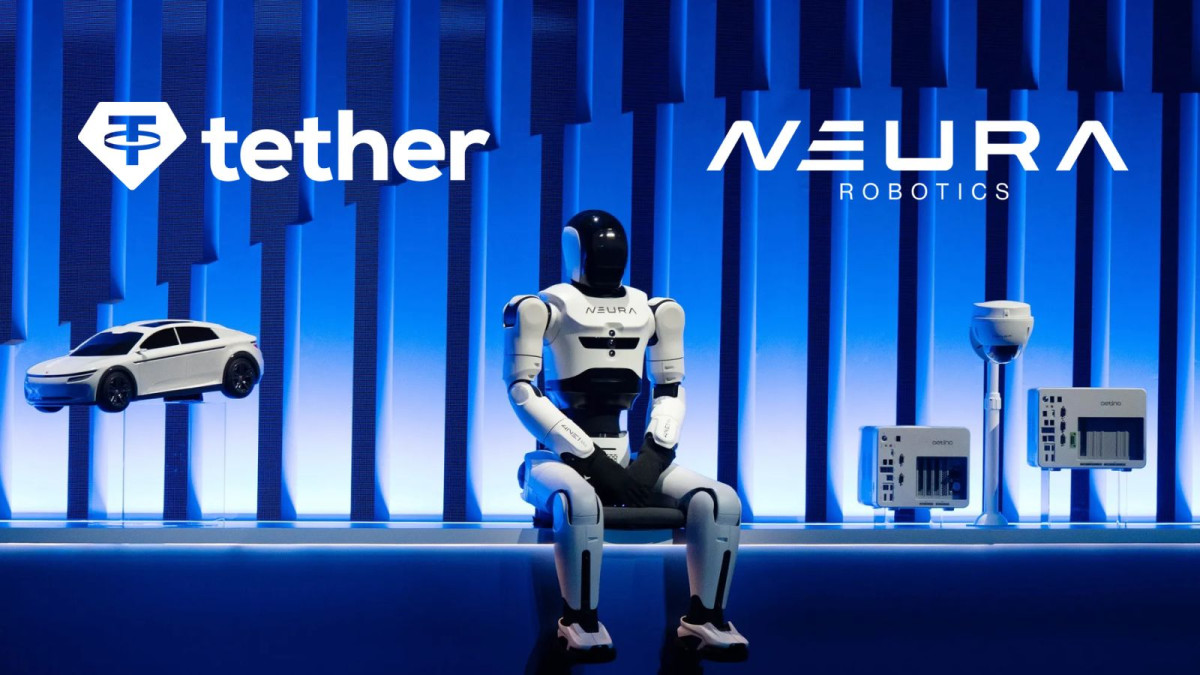
Stablecoin issuer Tether has announced its role as the lead investor in Neura Robotics’ recent Series C funding round. The funding round, which raised an estimated $1.4 billion, included Qualcomm, Amazon, and NVIDIA among other investors.

By investing in Neura Robotics, Tether is extending its influence beyond the digital asset industry, enabling it to deploy some of its core technologies into the humanoid robotics ecosystem. The partnership also enables the integration of Tether’s Wallet Development Kit and Tether’s self-custody wallets into the Neura Robotics system.
Through this integration, Tether provides a foundation that enables Neura Robotics to develop robotic systems that earn micropayments for tasks, transact with other robotic systems, and autonomously facilitate transactions and receive payments between machines without human intervention.
As part of its partnership, Neura Robotics will collaborate on testing, improving, and deploying Tether’s QuantumVerse Automatic Computer, known as QVAC, into its Neuraverse ecosystem. QVAC is Tether’s open-source, decentralized artificial intelligence platform that enables users to run and fine-tune large language models directly on their devices without relying on cloud servers.
“As robotics moves beyond scripted automation and into true autonomy, the infrastructure behind it must evolve as well,” said Paolo Ardoino, chief executive officer of Tether.
“Autonomous machines need the ability to process information locally, make decisions, and transact without relying on centralized intermediaries. QVAC brings that edge-first intelligence to the platform while WDK handles the secure financial layer. Together, they enable machines to execute tasks, account for outcomes, and operate independently. NEURA Robotics shares that vision, and this investment reflects our confidence in what autonomous robotics can become.”
About Neura Robotics
NEURA Robotics is a German-based high technology company that positions itself as a pioneer in cognitive robotics and Physical Artificial Intelligence. It develops artificially intelligent machines that can perceive (see, hear, feel), learn, adapt, and collaborate safely with humans.
So far, the company has developed some cognitive humanoid robots, including MAiRA, MiPA, and 4NE1. It has also developed Neuraverse, an open ecosystem and platform that enables robots to share skills, continuously learn, and expand their capabilities.
U.S. Seizes $1B in Crypto From Iran

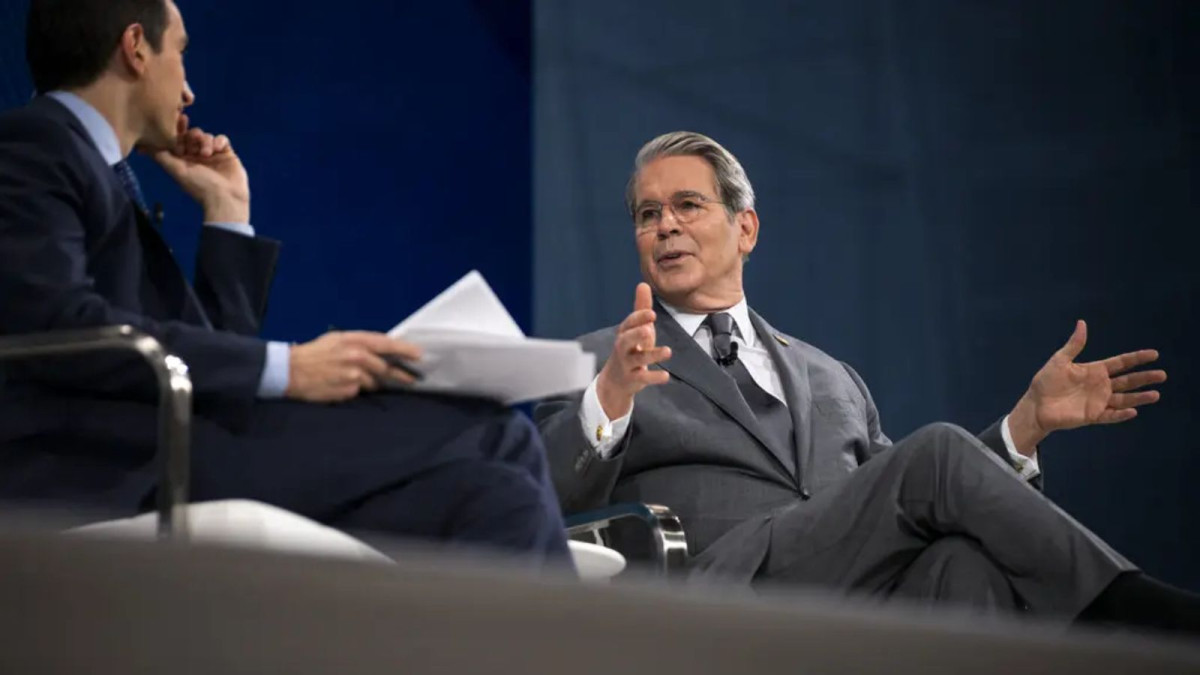
Speaking at the 2026 Reagan National Economic Forum in Simi Valley, California, Treasury Secretary Scott Bessent told Fox Business host Larry Kudlow that the United States has seized roughly $1 billion worth of cryptocurrency from entities linked to Iran's military since conflict broke out in February.
"We just outright grabbed the wallets," Bessent said. "Some of them may be typing in right now, and they might not have realized that their wallet had been grabbed."
Operation Economic Fury
The seizures Bessent referenced didn't happen overnight. They are the product of a campaign called Operation Economic Fury, a Treasury-led financial pressure initiative that kicked off around March 2025 under the Trump administration's direction. The goal, broadly, has been to cut off Iran's ability to move money internationally by targeting its revenue streams, weapons funding infrastructure, and sanctions evasion networks.
Before this campaign intensified, Iran had reportedly been routing $400 million to $500 million per month through crypto, primarily USDT on the Tron blockchain, to fund oil sales and Islamic Revolutionary Guard Corps operations. It's a shadow banking pipeline built on a stablecoin that, for various reasons, became the preferred dollar substitute in sanctioned economies around the world.
The Treasury's Office of Foreign Assets Control has since sanctioned more than 1,000 Iran-linked entities and wallet addresses. It has also gotten some notable help from the private sector.
Tether as a Sanctions Tool
On April 24, 2026, Tether froze $344 million in USDT across two Tron blockchain addresses tied to Iran's IRGC and the Central Bank of Iran. One wallet held approximately $213 million; the other, $131 million. Blockchain analytics firm Chainalysis had flagged the addresses based on on-chain patterns consistent with known Iranian military wallets, and the freeze was coordinated directly with U.S. law enforcement and updated OFAC designations published the same day.
USDT circulates heavily on Tron precisely because it became a preferred rail for cross-border transfers in regions where traditional dollar-based banking is unavailable or restricted. By working with Tether to freeze those wallets, the Treasury effectively turned the world's largest stablecoin into a live sanctions enforcement mechanism. That's a significant shift in how financial pressure campaigns work in the digital asset era.
The implications go beyond Iran. Tether's cooperation confirms, in practice, that USDT is not a neutral financial instrument. It is subject to the same policy levers as the dollar-based correspondent banking system it was often pitched as an alternative to.
Bitcoin, Hormuz, and the Limits of "Untraceable" Crypto
The IRGC's crypto ambitions have not been limited to stablecoins. In April, the Financial Times reported that Iran was planning to require oil tankers passing through the Strait of Hormuz to pay transit fees in Bitcoin. An Iranian official quoted at the time said the fees "can't be traced or confiscated due to sanctions." That quote aged poorly.
This month, Iran's state-affiliated Fars news agency reported that the IRGC promoted a Bitcoin-settled maritime insurance platform called Hormuz Safe. The scheme is a direct response to the ongoing blockade of the waterway, through which roughly 20% of the world's oil flows. With oil revenues choked and the regime under mounting financial pressure, digital assets have become one of the few remaining channels to keep funds moving.
Bessent did not directly link the $1 billion in seizures to the Bitcoin toll scheme. He also did not confirm whether Bitcoin itself was among the seized assets. Those details remain unspecified. What he did confirm is that the campaign is ongoing, that the seizures are substantial, and that some of those holding the funds may still be unaware.
Legal Fallout and Frozen Funds
The frozen Tether tranche is already the subject of a legal battle. A group of American terrorism victims, families connected to a 1997 Hamas bombing in Jerusalem, filed a motion in Manhattan federal court in mid-May seeking to have the $344 million transferred directly to their attorneys. Their unpaid court judgments against Iran total more than $2.4 billion across multiple terrorism-related cases. The plaintiffs served restraining notices on Tether just three days after the original freeze.
It is a legally complex situation. Tether froze the wallets by blacklisting the addresses at the smart contract level. Whether those funds can be redirected to private plaintiffs rather than held by the government is an open question, and one that federal courts will likely spend considerable time untangling.
Where This Leaves Iran, and Crypto
Bessent's comments Friday came as negotiations over a potential ceasefire deal were apparently inching forward. Reports citing Axios indicated that negotiators had reached a preliminary agreement pending Trump's approval. Whether that changes the pace of seizures is unclear.
What is clear is that Iran's crypto holdings are larger than the seized amount. Estimates put total Iranian digital asset holdings at roughly $7.7 billion, with about half attributed to the IRGC. The billion seized so far is meaningful pressure but not a knockout blow.
For the broader crypto market, the episode lands as a reminder that the "permissionless" framing of digital assets has always had limits. When the asset is a dollar-pegged stablecoin issued by a centralized company, and that company cooperates with the U.S. Treasury, the network rails may be decentralized but the kill switch is not. That reality is going to shape how governments, firms, and bad actors all think about crypto infrastructure for years to come.
Tether Partners With Georgia to Launch GELT Stablecoin

Tether, the largest stablecoin issuer, has partnered with the Georgian government to launch GELT, a stablecoin representing the lari, the country’s official currency.

The partnership, announced on Monday, aims to create a financial ecosystem that supports cross-border commerce, fintech development, and broader access to programmable financial infrastructure across Georgia.
GELT will serve as a digital representation of the Georgian lari and will be designed to enable lower transaction costs, near instant settlement, programmable payments, and more efficient movement of value across digital financial systems.
“Together with visionary partners like Tether, Georgia is laying the foundations for a more connected, transparent, and digitally empowered financial world,” said Irakli Kobakhidze, Prime Minister of Georgia.
The launch of the GELT stablecoin is built on a regulatory framework created by the Georgian government and the National Bank of Georgia. In March this year, the National Bank of Georgia developed a framework governing the issuance of stablecoins.
The framework, officially known as “The Rule for the Initial Coin Offering of a Stable Virtual Asset by a Virtual Asset Service Provider,” sets out standards that must be met by all virtual asset service providers (VASPs) operating in the country, including requirements for 100 percent reserve backing, strong consumer protections, proper risk management, and full compliance with the country’s Anti Money Laundering (AML) standards.
“Stablecoins are no longer a niche financial instrument. They are becoming part of the infrastructure layer for global finance,” said Paolo Ardoino, CEO of Tether. “Georgia has moved early to create serious regulatory architecture for digital assets and stablecoins, and that clarity creates the foundation for real innovation and adoption.”
Georgia’s stablecoin framework is also designed to be compatible with other regulatory frameworks, including the Guiding and Establishing National Innovation for U.S. Stablecoins Act (GENIUS Act) and Markets in Crypto Assets (MiCA).
By partnering with Tether to launch the GELT stablecoin, Georgia becomes the first country to team up with a major stablecoin issuer to issue a government-supported stablecoin pegged to its national currency. The UAE has also launched a dirham-pegged stablecoin, but unlike Georgia’s GELT, that stablecoin was issued by local consortia rather than a major stablecoin issuer such as Tether.
The planned launch of the GELT stablecoin comes shortly after Tether launched its self-custodial wallet. In an effort to increase access to stablecoins, Qivalis recently expanded its consortium to include more banks, which are collectively working to launch a euro-pegged stablecoin.
US Treasury Freezes $344M USDT Linked to Iran

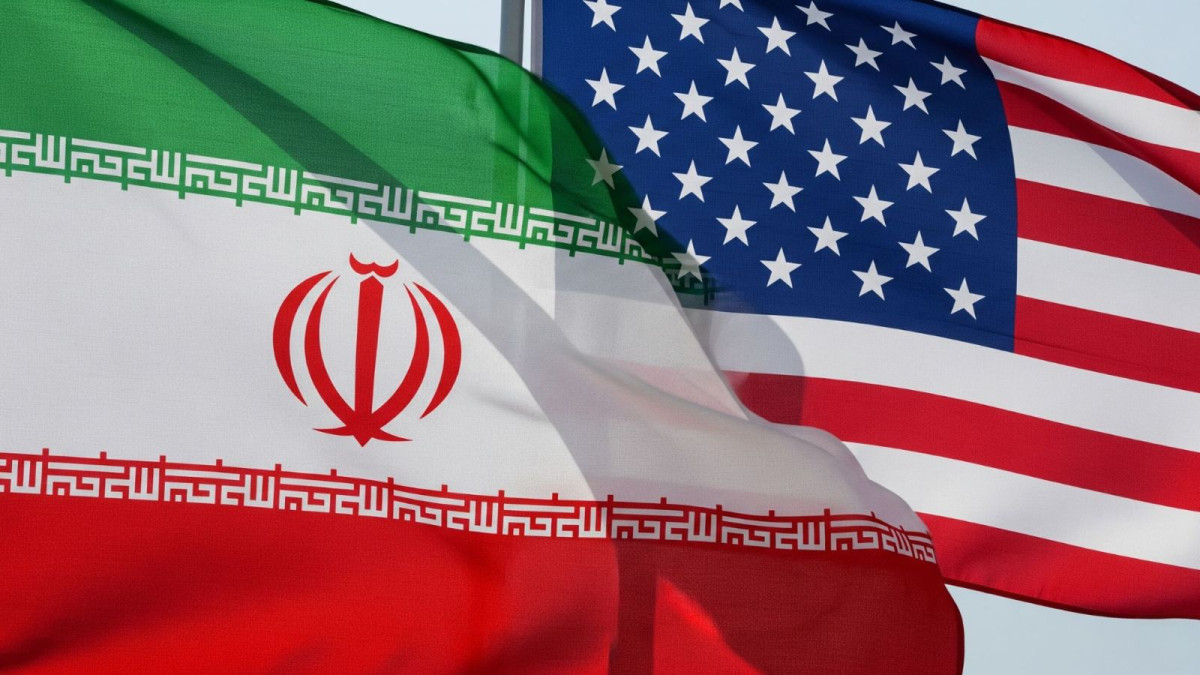
The U.S. Department of the Treasury, specifically the Office of Foreign Assets Control (OFAC), has frozen $344 million in USDT allegedly linked to Iran.
In a Friday post on X, U.S. Treasury Secretary Scott Bessent announced the crypto seizure. The move, according to Bessent, is part of the U.S. effort to systematically degrade Tehran’s ability to generate, move, and repatriate funds.

“We will follow the money that Tehran is desperately attempting to move outside of the country and target all financial lifelines tied to the regime,” Bessent wrote.
While the announcement from Bessent confirmed the freeze and the imposition of sanctions on the owners of the wallets involved, the technical action of the freeze itself was carried out by stablecoin issuer Tether. The stablecoin issuer had earlier stated that it was supporting OFAC and law enforcement agencies in freezing the $344 million linked to the Islamic Revolutionary Guard Corps (IRGC) and the Hezbollah militant group.
Following the announcement, Tether blacklisted two specific wallet addresses on the Tron blockchain, holding $213 million and $131 million in USDT respectively. This move by the U.S. Department of the Treasury follows a similar action in February, when OFAC sanctioned more than 30 individuals and entities allegedly linked to Iran’s oil shipping network.
Tether Expands Blockchain Development Efforts
Tether has consistently pushed forward with innovative blockchain developments. Just this month, it launched tether.wallet, its self custodial wallet that brings Tether’s global financial infrastructure within reach of those who have been left unbanked by the traditional financial system.
In an effort to enhance the utility of its stablecoins, Tether last month invested 5.2 million dollars into Ark Labs, supporting the building of Arkade, an infrastructure layer that brings programmable, instant transactions directly to the Bitcoin network. Through the Arkade network being built by Arkade Labs, we might see the introduction of stablecoins, including USDT, into Bitcoin.
Tether, for the first time, expanded USAT, its US regulated stablecoin, to the Celo blockchain. Since Celo is an Ethereum Layer 2 network optimized for payments, the expansion of USAT to Celo enabled the integration of USAT into Opera MiniPay and Google Cloud infrastructure.
Tether Using Drift Hack To Take On Circle
Tether has never been shy about playing offense. And in the wake of one of the worst hacks to hit Solana's DeFi ecosystem, the world's largest stablecoin issuer saw an opening, and took it.
On April 16, Tether announced a recovery package worth up to $127.5 million for Drift Protocol, the Solana-based perpetual futures exchange that was drained of roughly $285 million on April 1 in a sophisticated hack attributed to North Korean operatives. Combined with $20 million pledged by other partners, the total rescue fund comes to nearly $150 million. But the dollar figure is almost secondary to what Tether actually got in return.
The Real Prize: Kicking USDC Off Solana's Biggest Perp DEX
As part of the deal, Drift will swap out Circle's USDC for Tether's USDT as its core settlement asset. That means 128,000 users and more than 35 ecosystem teams, including Gauntlet, Neutral, and M1, all migrate to a USDT-based trading environment. On a network where USDC has historically dominated, this is huge play.
On Solana, Circle's USDC carries a market cap of around $8.1 billion, compared to Tether's $3.05 billion. That's a more than 2.6-to-1 advantage for Circle on the chain. In global terms, the picture is reversed: USDT's circulating supply tops $185 billion versus roughly $79 billion for USDC. Tether has always dominated the overall stablecoin market; it just hasn't had much luck on Solana. Until now, maybe.
Paolo Ardoino, Tether's CEO, framed the intervention in fairly lofty terms. "Tether's role in the digital assets ecosystem is to provide a platform for individuals and institutions alike that is ready to step forward to help the industry in the moment of darkness," he said in a statement.
That said, analysts aren't exactly reading this as pure altruism. As one observer put it, the Drift exploit was, for Tether, an "operational window" to buy market share at a moment of maximum vulnerability. The funding structure itself reinforces this reading: repayments to affected users are tied to future trading activity on the relaunched platform, meaning Tether's money goes further the more Drift succeeds as a USDT venue.
Circle Gets the Blame, Tether Gets the Spoils
Tether saw the opening and definitely took it. Circle finds itself under intense scrutiny in the days following the Drift hack, after attackers transferred more than $230 million in USDC from Solana to Ethereum using Circle's own cross-chain transfer protocol. Critics, including on-chain investigator ZachXBT, pointed out that Circle had a window of at least six hours to blacklist the relevant wallets and freeze the funds, and did nothing.
Circle CEO Jeremy Allaire later defended the company's position, saying that USDC wallets are only frozen when directed by law enforcement or courts, not unilaterally during active hacks. The argument tracks with Circle's broader regulatory strategy, which prioritizes institutional alignment and compliance above all else. Whether that's the right call is debatable. What's less debatable is that a class action lawsuit has reportedly been filed against Circle in the aftermath, alleging the firm knowingly allowed attackers linked to North Korea to offload stolen funds through its own infrastructure.
Tether, by contrast, has a long history of freezing funds tied to hacks and illicit activity quickly, often without waiting for court orders. That operational difference has real consequences for platforms that care about protecting users when things go wrong.
How Drift Gets Back on Its Feet
The April 1 attack was a serious one. Blockchain analytics firm Chainalysis estimates losses at approximately $285 million. According to Drift's own postmortem, the attackers used a combination of social engineering and a technical method known as "durable-nonce pre-signing" to obtain privileged administrative access, a scheme that reportedly began at least six months before the exploit was executed. From there, the attackers deposited worthless CVT tokens as fake collateral, then withdrew real USDC, SOL, and ETH.
Drift's TVL, which was above $550 million before the attack, has since fallen to around $242 million. The protocol's recovery framework targets $295.7 million in outstanding user losses, a figure that actually exceeds its current TVL. To bridge that gap, the plan leans on future trading fee revenue flowing into a dedicated recovery pool. Users will also receive a separate recovery token representing their claim on that pool, transferable and distinct from the DRIFT governance token.
The market responded well to the announcement: DRIFT token surged roughly 22%, climbing from $0.045 to $0.055 on the day, after having fallen as much as 30% in the immediate aftermath of the exploit.
A Stablecoin War Fought One Bailout at a Time
The Drift deal lands at a time when competition in the stablecoin market is genuinely heating up. USDC has made real headway in institutional and DeFi use cases over the past couple of years, partly by positioning itself as the "clean" option for regulated environments. Circle's IPO plans have only reinforced that narrative.
Tether still holds a commanding global lead, but the gap in on-chain activity has been narrowing. Coindesk data shows USDC transaction volumes outpaced USDT's in recent months, and Circle's market share has been expanding. This makes Solana, where USDC has been strongest, a particularly important front in what is increasingly looking like a full-scale stablecoin war.
Whether the Drift bailout actually converts into lasting USDT dominance on Solana remains to be seen. Relaunch is contingent on Drift completing two independent security audits, and rebuilding trust with users after a $285 million heist takes more than a well-funded recovery plan. But Tether, at least for now, holds a key piece of Solana's DeFi architecture. And it didn't exactly have to do much begging to get it.
Tether Launches Self-Custodial Wallet for USDT, Bitcoin, and Gold Tokens
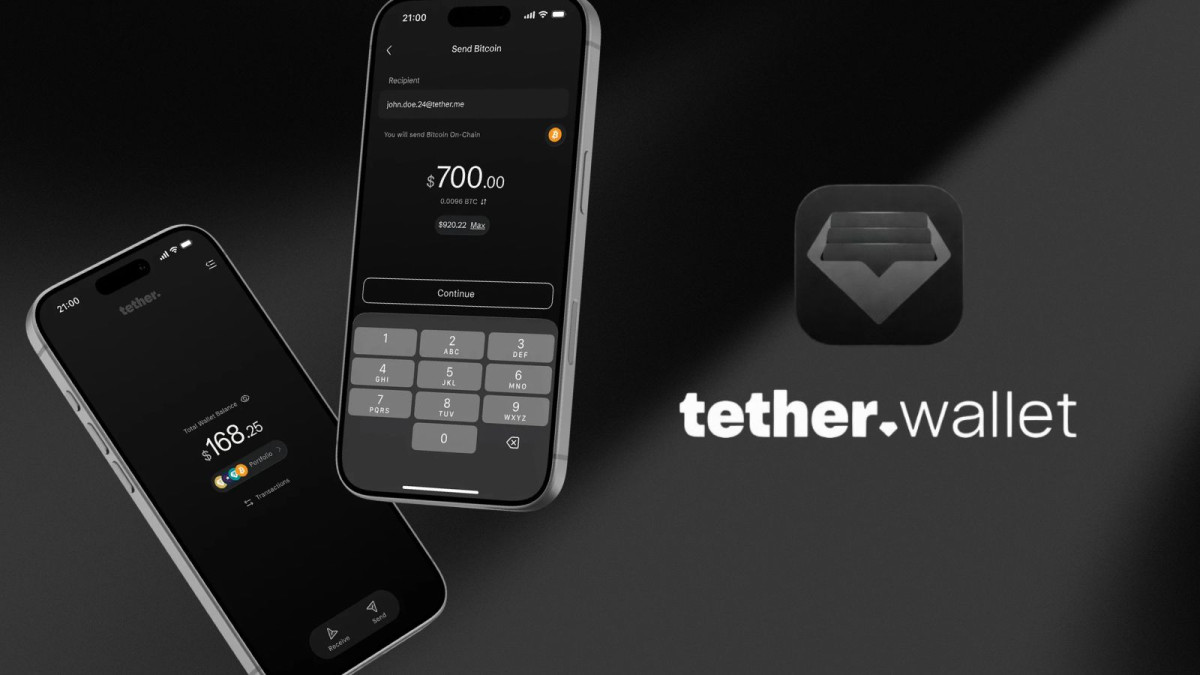
The world's largest stablecoin issuer is getting into the wallet game. Tether has officially launched tether.wallet, a self-custodial application that puts its payments infrastructure directly into the hands of end users for the first time.
For more than a decade, Tether's USDT stablecoin quietly powers hundreds of billions in daily trading volume, settlement, and cross-border payments across dozens of blockchains. But, most users never interact with Tether directly. That is about to change
The new app, simply called tether.wallet, supports four assets at launch: USDT, the company's U.S.-market stablecoin USAT, its gold-backed token XAUT, and Bitcoin, available both on-chain and through the Lightning Network. USDT and XAUT run on Ethereum, Polygon, Plasma, and Arbitrum at launch, while USAT is limited to Ethereum for now, with more networks reportedly in the pipeline.
No More Long Wallet Addresses
One of the more practical features is the use of human-readable identifiers, think something like [email protected], instead of the standard hexadecimal wallet strings that have caused users to accidentally send funds to the wrong address for years. Transactions also settle without requiring users to hold separate gas tokens; fees are paid directly in the asset being transferred. For anyone who has fumbled through a failed transaction because they did not have enough ETH to cover gas, that is a genuinely meaningful improvement.
Private keys remain fully under user control. All transactions are signed locally on the device, and Tether says it never holds user funds or keys at any point. It is a fully self-custodial model, which distinguishes it from the exchange-hosted wallets that have drawn scrutiny after a string of high-profile custodial failures in recent years.
570 Million Users, and Counting
Tether says its technology already reaches more than 570 million people across over 160 countries as of March 2026, with tens of millions of new wallets being added each quarter. The company is pitching tether.wallet as the next logical step in that growth, designed for mainstream users who have never touched a crypto wallet before, not just the crypto-native crowd who already know what a seed phrase is.
CEO Paolo Ardoino has been making the rounds with this one. He described the product as "the People's Wallet," framing it as a natural evolution of Tether's role from building the foundation of the digital asset economy to making it directly usable by anyone. His pitch goes further than stablecoins, though. Ardoino has long argued that AI agents will need native, self-custodial wallets for machine-to-machine payments, and the Wallet Development Kit (WDK) that underpins tether.wallet is designed with that kind of future in mind.
tether.wallet is built on Tether's open-source Wallet Development Kit, which the company has been quietly developing for a while now. The WDK had its first significant public deployment in January 2026, when video platform Rumble launched a non-custodial wallet built on the same infrastructure, enabling creator tipping in Bitcoin and USDT across Rumble's 80 million users. That earlier rollout effectively served as a real-world stress test before today's broader consumer launch.
The open source nature means third-party developers, businesses, and potentially AI systems can all build self-custodial wallet products on the same foundation. Tether is positioning this less as a single app and more as the beginning of a distribution layer.
Tether's Big Year...So Far
Tether has had a busy year on multiple fronts. In January, the company launched USAT, a GENIUS Act-compliant U.S.-regulated stablecoin issued through Anchorage Digital Bank, a direct challenge to Circle's USDC in the institutional and regulated segment of the market. In March, Tether engaged KPMG for what it described as the first-ever full financial audit of its $185 billion USDT reserves, a significant departure from the periodic attestations the company has historically relied on. PwC was also brought in to assist with internal systems preparation.
By moving into consumer-facing wallet infrastructure, Tether is entering territory already occupied by MetaMask, Phantom, Trust Wallet, and others. Those players have years of user experience, broad network support, and established reputations. Whether Tether's brand recognition among non-crypto users, combined with the built-in familiarity of USDT, translates into meaningful adoption is the real question. The stablecoin market itself crossed $315 billion in March 2026, an all-time high, and analysts expect this number to grow dramatically over the next few years.
Tether Hires KPMG for First Full USDT Reserve Audit
Tether, the world’s largest stablecoin issuer, has hired KPMG, one of the Big Four accounting firms, to conduct its first full audit of its USDT reserves. It has also engaged PwC to support the preparation of its internal systems.
The move comes days after Tether announced plans to work with one of the Big Four firms on an inaugural audit of its stablecoin reserves. Although it did not initially name the firm, the Financial Times reported that KPMG had been selected, citing sources familiar with the matter.
Prior to now, Tether had, for several years, engaged BDO Italia, an Italian affiliate of the global accounting firm BDO, to conduct periodic attestations of its reserves. These attestations involved BDO Italia taking a point-in-time snapshot of Tether's USDT reserves.
These snapshots helped confirm that, at a specific date, Tether's reported assets, including cash, U.S. Treasuries, gold, Bitcoin, and secured loans, met or exceeded the circulating supply of USDT. They were conducted quarterly and also included details on Tether's profit, reserve composition, and excess reserves.
While these attestations provided a degree of transparency and accountability, they were not full, comprehensive audits, as they relied on agreed-upon procedures and did not include elements typically associated with a full audit, such as in-depth testing of internal controls, continuous transaction verification, and formal risk assessments.
Tether’s Expansion Goals
Apart from ensuring transparency, the audit of its reserves aligns with Tether’s U.S. expansion goals under the GENIUS framework for stablecoins.
Signed into law by President Trump on July 18, 2025, the Guiding and Establishing National Innovation for U.S. Stablecoins (GENIUS) Act establishes a federal regulatory framework for dollar-backed payment stablecoins.
The framework outlines requirements that must be met by stablecoin issuers operating in the United States, including:
- Full reserve backing with high-quality liquid assets, such as cash and short-term U.S. Treasuries.
- Comprehensive audits and robust internal controls for larger issuers.
- Strict anti-money laundering (AML), redemption, and consumer protection requirements.
- Monthly public disclosures of reserve composition.
Tether, in partnership with crypto bank Anchorage Digital, launched USAT, a dollar-pegged stablecoin designed to comply with the GENIUS Act, as part of efforts to expand its presence in the U.S. market under the GENIUS framework.
The launch provides Tether with immediate regulatory cover, potentially making the asset more attractive to U.S. institutions that have previously avoided offshore-issued stablecoins such as USDT. Because USAT is issued by Anchorage Digital, a U.S.-based company, it has been positioned as a “made in America” product—marking a significant step in Tether’s broader U.S. expansion strategy.
Since comprehensive reserve audits are among the requirements for stablecoin issuers seeking to operate in the U.S., the KPMG audit helps position Tether as compliant with U.S. standards.
Citadel and Tether Back LayerZero’s Zero Chain

LayerZero is making a very clear statement about where crypto infrastructure is headed.
On February 10, the interoperability protocol unveiled Zero, a new Layer 1 blockchain built specifically for global financial markets. The pitch is ambitious. Zero is not positioning itself as another DeFi playground or NFT chain. It is being framed as infrastructure capable of handling institutional trading, settlement, tokenization and eventually AI-driven financial activity at serious scale.
The launch is backed by an unusually heavyweight group: Citadel Securities, Intercontinental Exchange, DTCC, Google Cloud, ARK Invest and, in a separate but closely related move, a strategic investment from Tether.
Taken together, it feels less like a crypto product launch and more like a coordinated push to bring capital markets on chain.
What Zero Is Actually Trying to Do
LayerZero’s core business has always been interoperability. It allows different blockchains to communicate and move assets across ecosystems. Zero is the next step. Instead of simply connecting chains, LayerZero now wants to build one optimized for institutional throughput.
The headline claim is scale. The company says Zero can theoretically handle millions of transactions per second across multiple execution zones, with transaction costs measured in fractions of a cent. Those numbers put it in the conversation with traditional market infrastructure rather than typical public blockchains.
The architectural shift is key. Zero uses a heterogeneous validator design that separates transaction execution from verification. In simple terms, not every node has to reprocess every transaction. Zero relies heavily on zero-knowledge proofs and a proprietary performance system referred to internally as Jolt. The goal is to reduce redundancy while preserving security guarantees.
If it works as described, it addresses one of the longest standing criticisms of blockchain systems in institutional finance: replication requirements make them too slow and too expensive for serious trading environments.
Zones, Specialization and Market Structure
Zero is expected to launch with specialized “zones” tailored to different use cases.
One zone will support general EVM compatibility for smart contracts. Another is designed with trading and settlement workloads in mind. There are also plans for privacy-focused rails, which could be important for institutions that need compliance controls and data segmentation.
The broader idea is modular financial infrastructure. Instead of forcing all activity into one monolithic execution environment, Zero segments performance based on purpose.
That design choice mirrors how traditional exchanges and clearinghouses operate. Different systems handle matching, clearing and reporting. Zero appears to be borrowing from that playbook.
Citadel, ICE and the Institutional Signal
The involvement of Citadel Securities carries weight.
Citadel is one of the largest market makers in the world. Its participation includes a strategic investment in ZRO, the token associated with the Zero ecosystem. More importantly, the firm plans to explore how Zero’s architecture could support trading and post-trade workflows.
DTCC’s participation signals interest in settlement and collateral chains. ICE, the parent company of the New York Stock Exchange, is evaluating how 24/7 tokenized markets might fit into existing exchange infrastructure.
These are not crypto native firms experimenting on the margins. They are core components of global market plumbing. Their engagement does not guarantee adoption, but it does suggest serious evaluation.
ARK Invest joining the advisory board adds another familiar name from the digital asset side of finance. Google Cloud’s involvement introduces the cloud infrastructure layer that most enterprise systems still depend on.
Tether Steps In
On the same day Zero was unveiled, Tether Investments announced a strategic investment in LayerZero Labs.
This piece is significant for a different reason.
Tether has been expanding beyond issuing USDT. It has been investing in infrastructure that strengthens cross-chain liquidity. LayerZero’s omnichain framework already underpins USDt0, an omnichain version of USDT that can move natively across dozens of blockchains without traditional wrapping mechanisms.
Since launch, USDt0 has reportedly facilitated more than $70 billion in cross-chain transfers. That figure gives Tether a direct interest in ensuring LayerZero’s technology remains reliable and scalable.
The investment is not just financial. It reinforces Tether’s strategy to make USDT the default settlement layer across ecosystems. If liquidity can move frictionlessly across chains, USDT remains central to that movement.
There is also a forward looking element. Both companies have referenced “agentic finance,” a concept where autonomous AI agents transact, rebalance portfolios and execute strategies using stablecoins without constant human input. It sounds futuristic, but the underlying requirement is simple: programmable money that can move instantly across networks.
LayerZero provides the interoperability rails. Tether provides the liquidity.
Market Reaction and Token Dynamics
ZRO saw a bump following the announcement, reflecting renewed investor interest. The token has been volatile since launch, like most mid-cap crypto assets, but institutional validation tends to draw short-term momentum.
More broadly, the story has reinforced a narrative that infrastructure tokens tied to interoperability and institutional use cases may have stronger staying power than purely speculative assets.
That said, performance claims are still unproven at scale. Throughput numbers in the millions sound impressive, but real world stress testing in live markets will matter far more than whitepaper metrics.
The Bottom Line
Zero arrives at a moment when tokenization is moving from pilot projects to actual deployment conversations. Asset managers are experimenting with tokenized funds. Exchanges are exploring extended trading hours. Settlement windows remain a friction point in global markets.
Blockchain infrastructure that can operate continuously, reduce reconciliation layers and support programmable settlement has appeal. The question is whether it can integrate with regulatory frameworks and legacy systems without creating new risks.
Cross-chain interoperability introduces additional complexity. Bridges and cross-chain systems have historically been attack vectors. LayerZero argues its design mitigates many of those risks, but scrutiny will be intense.
Tether’s involvement also draws attention. While USDT remains dominant in stablecoin markets, it is often at the center of regulatory and transparency debates. Aligning closely with infrastructure providers increases both influence and responsibility.
What stands out about the Zero announcement is not just the technology. It is the alignment.
Interoperability infrastructure. Stablecoin liquidity. Market makers. Exchanges. Clearinghouses. Cloud providers.
This is crypto’s infrastructure stack starting to resemble traditional finance architecture, but rebuilt with on-chain components.
Zero has not launched into full production yet. Much of what has been announced is roadmap and partnership exploration. The real test will be deployment, integration and regulatory navigation over the next year.
Still, the signal is hard to ignore. Crypto infrastructure is no longer trying to disrupt finance from the outside. It is attempting to rebuild parts of it from within.