#creator economy
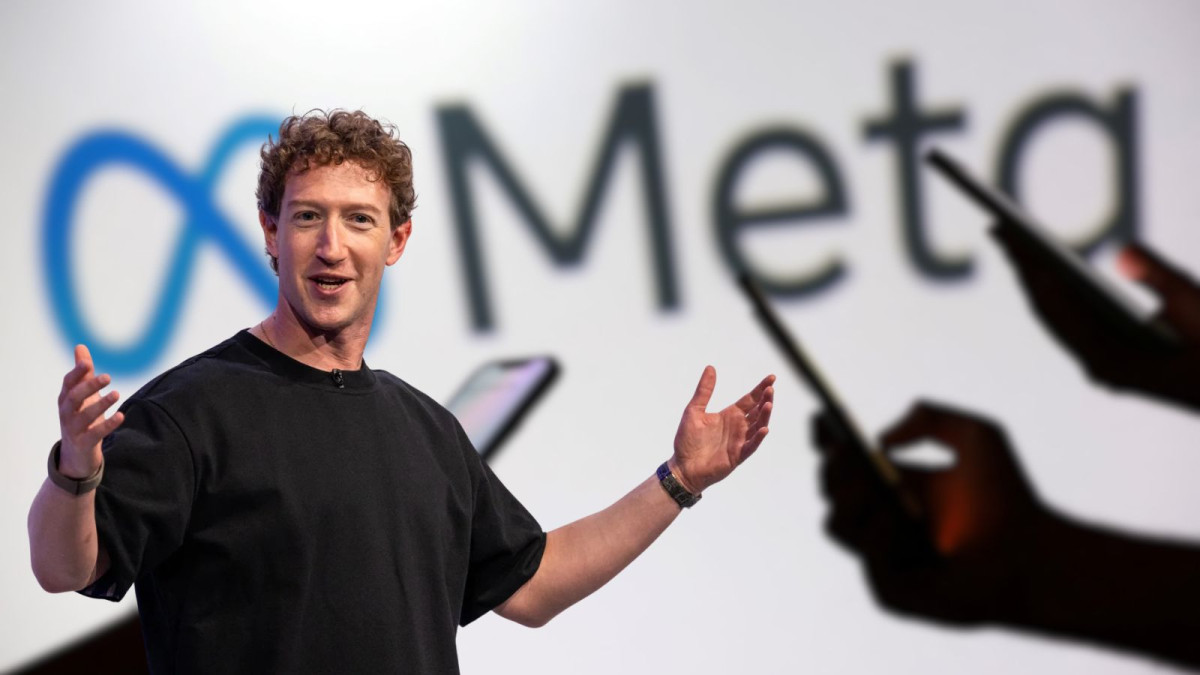
Meta Tests USDC Stablecoin Payouts for Creators

Social media giant Meta is currently running a pilot program that tests issuing creators’ payouts in stablecoins. “Meta now offers USDC stablecoin payouts via supported crypto wallets on the Solana and Polygon blockchain networks,” the team wrote on its Business Help Center page
Since this is still a pilot program, only creators in Colombia and the Philippines are currently eligible for the service, with the program expected to expand to more than 160 countries before the end of the year, according to an X post by Polygon Labs.

While the announcement was well received by many in the crypto community, a spokesperson for Meta clarified the goal of the initiative, stating that Meta was not issuing its own stablecoin but was instead tapping into Circle’s $77 billion USDC stablecoin, with plans to integrate the stablecoin into its payment infrastructure.
The Meta USDC creator payout program is currently supported by several popular crypto wallets, including MetaMask, Phantom, and Binance, with global payments platform Stripe handling the technical infrastructure and serving as the payments provider. Solana and Polygon are the only blockchain networks currently supported for this program.
Meta Pushes Again Into Crypto After Setbacks
Meta’s recent move into crypto follows several setbacks it has had to deal with in the past. In 2019, it launched Libra, a cryptocurrency which it said could be used across its different social media platforms, including Facebook, Instagram, and WhatsApp.
However, things did not go as planned, as some stakeholders, such as PayPal, Mastercard, and Visa, which were involved in the project, started pulling out due to scrutiny and backlash from U.S. regulators and from some members of the U.S. Congress.
Although Meta made several efforts to save the project, including rebranding it from Libra to Diem, a stablecoin backed by the U.S. dollar in an effort to appease federal regulators, nothing worked, as federal regulators stated that the project could not move forward.
Other projects associated with Libra and Diem, such as the Novi wallet, a cryptocurrency wallet built by Meta that allowed users to hold and transfer Libra, also failed, and the entire project was eventually wound down. According to Stuart Levey, then CEO of the Diem Association, “it became clear from our dialogue with federal regulators that the project could not move ahead.”

MrBeast Enters Fintech With Eyes on Crypto and Gen Z

MrBeast has never been subtle about scale. Giveaways get bigger, productions get more expensive, audiences get larger. So when Jimmy Donaldson starts drifting into financial services, it is probably worth paying attention.
Quietly, through his company Beast Industries, MrBeast has acquired Step, a mobile banking app aimed mostly at teenagers and young adults. On its own, that might look like a straightforward fintech acquisition. But paired with recent trademark filings tied to crypto and digital finance and a $200 million investment from Tom Lee's Ethereum investment company, Bitmine Immersion Technologies, it starts to look like something more deliberate.
Why Step Matters More Than It Looks
Step is not a household name, but in fintech circles it has been around for a while. The app was built to help younger users manage money early, offering basic banking features, debit cards, and tools meant to make finance feel less intimidating.
Like many consumer fintech startups, Step grew fast when money was cheap and slowed when markets tightened. That made it a candidate for acquisition, especially by a company with a built-in distribution engine the size of MrBeast’s audience.
For Beast Industries, Step is a shortcut. It already has users, regulatory relationships, and a working product. MrBeast does not have to start from zero or ask people to trust a brand new financial app. He is buying something real and then putting his brand behind it.
That is a very different approach from the usual influencer playbook.
The Crypto Part Is Not Front and Center, Yet
So far, there is no MrBeast token, no flashy crypto launch, no giveaways tied to wallets or NFTs. That is probably intentional.
Instead, trademark filings for “MrBeast Financial” outline a much broader vision. Banking, payments, investing, crypto trading, even decentralized finance concepts are all on the table. It reads less like a meme project and more like a blueprint for a full financial platform.
If this eventually launches, crypto would likely sit alongside traditional services rather than replace them. Think less about hype cycles and more about gradual exposure. Users open an account, use it like a normal banking app, and over time gain access to digital assets in a familiar environment.
Given how badly celebrity crypto projects have burned users in the past, that restraint may be the smartest part of the strategy.
A Perfect Fit for His Audience
MrBeast’s audience is young, global, and extremely online. Many of them have never walked into a bank branch. They are comfortable with apps, digital payments, and online money, even if they are still figuring out how finance works.
That overlap with Step’s original target market is almost too neat.
There is also the education angle. MrBeast has built an entire career on making people pay attention to things they normally would not. Financial literacy is not exciting. But challenges, rewards, and gamified learning are very much his lane.
If anyone can make budgeting or saving feel like content instead of homework, it is probably him.
This Is Where Things Get Complicated
Of course, finance is not YouTube.
Banking and crypto both come with heavy regulatory baggage. Expanding Step into something larger would require licenses, compliance teams, partners, and patience. Crypto adds another layer of scrutiny, especially in the US, where regulators are still defining the rules in real time.
Trademark filings do not guarantee execution. Plenty of companies file broadly and never ship half of what they outline.
Still, the direction is hard to ignore. This is not a casual experiment. Buying a banking app is a commitment.
The Bottom Line
If MrBeast follows through, this could change how crypto reaches mainstream users. Not through exchanges or speculation, but through everyday financial tools tied to a brand people already trust.
It also hints at where the creator economy might be heading next. After ads, merch, food brands, and mobile services, financial products may be the next frontier. They are harder to build, harder to regulate, and much harder to unwind.
Which may be exactly why someone like MrBeast is interested.
For now, there are more questions than answers. No launch dates, no confirmed features, no official crypto roadmap. But the pieces are starting to line up.
MrBeast is stepping into finance, and if he is anything like his past ventures, this will not stay small for long.

MrBeast, DeFi, and a $200M Investment by BitMine
A public company best known for holding large amounts of Ethereum is now placing a very different kind of bet, one that sits at the intersection of crypto, finance, and the creator economy.
BitMine Immersion Technologies, a crypto treasury firm chaired by Fundstrat’s Tom Lee, says it plans to invest $200 million into Beast Industries, the company behind YouTube creator MrBeast. The goal, according to executives, is to explore how decentralized finance could play a role in a future financial services platform tied to one of the internet’s largest audiences.
This is not a meme coin launch or a celebrity endorsement deal. It looks more like a strategic attempt to combine capital markets, Ethereum infrastructure, and massive consumer distribution.
Why a crypto treasury firm is backing a creator company
BitMine has been repositioning itself as an Ethereum-focused treasury company, following a playbook that investors have seen before in Bitcoin-heavy balance sheet strategies. The difference is scale and ambition.
The firm holds a substantial amount of ETH and has spoken publicly about building staking infrastructure and validator operations. But simply holding crypto is no longer enough to sustain investor interest, especially as enthusiasm around treasury-style trades has cooled.
The next step is finding ways to turn those holdings into something operational. That is where Beast Industries comes in.
MrBeast is not just a YouTuber. His business spans media, merchandise, and consumer brands, and it reaches hundreds of millions of people, many of them young and digitally native. For a company looking to build or support crypto-based financial products, that kind of distribution is hard to ignore.
What Beast Industries appears to be exploring
Executives at Beast Industries have been clear that the company is looking at financial services. Trademark filings and past reporting suggest a wide scope, including payments, lending, insurance, and potentially crypto-related offerings.
The key word is explore. There is no product launch yet, and there is no guarantee that every idea becomes reality. Still, the language around incorporating DeFi suggests interest in crypto-native rails rather than simply slapping a brand on traditional products.
In practice, that could mean crypto-powered payments, wallet functionality, token-based rewards, or lending products that lean on blockchain infrastructure behind the scenes. It could also mean partnerships with existing fintech or crypto firms to avoid the heavy regulatory lift of building financial institutions from scratch.
DeFi as a distribution play, not a technical flex
In this context, DeFi should probably be read less as a commitment to complex on-chain protocols and more as a distribution strategy.
For years, crypto has struggled to reach mainstream users without relying on exchanges or speculative narratives. A creator-led platform flips that equation. The audience already exists. The challenge becomes offering products that are simple, compliant, and trustworthy enough to meet that audience where it is.
That trust component matters. MrBeast’s brand is built on transparency and goodwill. Any financial product under that banner would be judged harshly if it felt confusing, risky, or exploitative. Crypto’s history with celebrity-adjacent scams only raises the stakes.
The risks on both sides of the deal
For Beast Industries, entering finance is not trivial. Even lightweight financial products come with regulatory scrutiny, reputational risk, and long-term obligations to users. A misstep could damage a brand that has taken years to build.
For BitMine, the risk is different. Crypto treasury strategies have gone in and out of favor, often tracking the price of the underlying asset more than business fundamentals. Investors have shown signs of fatigue toward companies whose primary strategy is buying and holding crypto.
Backing a creator-led financial push is an attempt to move beyond that narrative. Whether markets reward that shift remains an open question.
Why this matters beyond one deal
This investment fits into a broader trend where crypto companies are looking for real-world distribution and cash-flow-adjacent businesses, while creators are looking for ways to turn attention into durable platforms.
Ethereum sits in the middle of that equation. It provides the infrastructure for staking, tokenization, and programmable finance, all of which appeal to firms trying to rethink how financial products are built and delivered.
The unusual part is seeing a public crypto treasury company and a creator empire meet at that intersection.
What to watch next
Several things will determine whether this becomes a defining moment or a footnote.
First is structure. How the investment is deployed, and what BitMine actually receives in return, will shape how investors interpret the move.
Second is execution. A vague commitment to DeFi means little without a clear product vision and compliance strategy.
Third is messaging. Any hint of speculative tokens or unclear financial incentives could quickly undermine trust.
The bigger picture
BitMine’s $200 million bet is a sign that crypto treasury firms are searching for their next evolution. Holding Ethereum is one thing. Building products, platforms, and distribution around it is another.
MrBeast brings something crypto rarely has in abundance: mainstream attention paired with trust at scale. Whether that combination can be turned into sustainable financial services without repeating the industry’s past mistakes is the real test.
For now, the deal signals that crypto’s next phase may be less about balance sheets and more about who controls distribution.
Stay Connected
You can stay up to date on all News, Events, and Marketing of Rare Network, including Rare Evo: America’s Premier Blockchain Conference, happening July 28th-31st, 2026 at The ARIA Resort & Casino, by following our socials on X, LinkedIn, and YouTube.

Rumble Launches Crypto Wallet for Bitcoin and USDT Creator Tips

Rumble has been talking for years about building an alternative to YouTube. With the launch of its new crypto wallet, it is now making a serious attempt to rethink how creators actually get paid.
The company has rolled out Rumble Wallet, a built-in, non-custodial wallet that lets viewers tip creators directly in Bitcoin, USDT, and Tether Gold. The wallet is integrated into the Rumble platform itself, meaning users do not have to leave the site or rely on third-party payment tools to support creators.
On paper, it looks like a tipping feature. In reality, it is closer to a payments strategy.
What Rumble actually launched
Rumble Wallet allows users to hold crypto and send it directly to creators inside the platform. The wallet is non-custodial, which means users control their own funds rather than handing custody to Rumble.
At launch, the wallet supports three assets. Bitcoin provides the recognizable flagship. USDT offers price stability for users and creators who do not want volatility. Tether Gold adds a more niche option, but one that fits Rumble’s broader narrative around alternatives to traditional finance.
MoonPay is handling the fiat on and off ramps, which matters more than it might sound. Without that bridge, crypto tipping stays limited to users who already hold tokens. With it, Rumble can realistically target a much wider audience.
Many platforms have tried tipping. Few have tried wallets.
A tipping button is a feature layered on top of an existing system. A wallet becomes part of the system itself. Once users hold value inside the platform, the possibilities expand quickly.
A native wallet opens the door to subscriptions, paywalled content, creator payouts, merch payments, and cross-border transfers that do not depend on banks or card networks. It also shifts leverage. Instead of creators relying on ad revenue or platform-controlled payouts, they can receive funds directly from their audience.
Rumble appears to be aiming for exactly that. Control the wallet, and you control the flow of value across the platform.
Tether is central to the move
Tether’s role here goes well beyond providing a stablecoin.
The wallet is built using Tether’s wallet infrastructure tooling, positioning Rumble as an early, high-profile example of how Tether wants its technology used. This fits neatly with Tether’s broader strategy of moving downstream, not just issuing tokens but embedding them directly into consumer products.
There is also a financial alignment. Tether has already invested heavily in Rumble, and this wallet turns that relationship into something tangible. Rumble gets infrastructure and liquidity. Tether gets distribution inside a large, consumer-facing platform.
From Tether’s perspective, a wallet embedded into a video platform is far more powerful than another exchange listing.
Why creators might actually care
Creators have spent years complaining about monetization. Ad revenue is unpredictable. Platform rules change. Payouts can be delayed, reversed, or cut off entirely.
Crypto does not magically solve those problems, but it offers a different model. Direct payments. Faster settlement. Global reach. Fewer intermediaries.
Stablecoins like USDT are especially practical here. They reduce volatility while keeping payments digital and borderless. For international creators or audiences outside major banking systems, that matters.
If Rumble can make tipping and payments feel normal, not like a crypto experiment, it gives creators a reason to treat the platform as more than a backup distribution channel.
What's next?
Adoption will matter more than announcements. If tipping remains niche, the wallet is a branding move. If it becomes common behavior, it changes how Rumble makes money.
The first signal will be usage. Are creators actually receiving tips at scale, or is this limited to a small crypto-native subset?
The second is expansion. A wallet built only for tips leaves value on the table. Subscriptions, gated content, and commerce feel like natural next steps.
The third is competition. If Rumble proves crypto payments can work at scale inside a video platform, larger players will take notice.
The bigger picture
Rumble Wallet is not just a crypto feature. It is an attempt to rebuild creator monetization around direct payments rather than ads and intermediaries.
If it works, it offers a glimpse of how social platforms could operate when payments are native, programmable, and global by default. If it fails, it will still serve as one of the clearest real-world tests of crypto’s promise in the creator economy so far.
Either way, it shows that the next phase of crypto adoption may not come from trading apps, but from where people already spend their time online.

YouTube Adds PayPal Stablecoin as Payout Option for U.S. Creators

YouTube letting U.S. creators get paid in PayPal’s stablecoin, PYUSD, might sound like a small update. It isn’t. It’s one of those changes that looks minor on the surface but actually says a lot about where tech and finance are headed.
This is a major platform, at massive scale, choosing to plug digital assets into a real payout system. Not a test. Not a pilot hidden in a corner. A real option for real creators.
And that matters.
Why YouTube’s Move Feels Different
YouTube touches millions of creators and billions of users. When a platform like that makes a decision, it’s usually because the risk feels manageable and the upside feels real.
Creators now have another way to get paid. Faster access to funds. More flexibility. Less dependence on slow banking rails. For some creators, especially those working internationally or managing income across platforms, that can make a noticeable difference.
What’s interesting is how this is being done. YouTube itself isn’t diving into crypto head first. PayPal handles the complexity. The blockchain stuff stays in the background.
That was actually the point. PayPal’s head of crypto, May Zabaneh, put it plainly.
“The beauty of what we’ve built is that YouTube doesn’t have to touch crypto and so we can help take away that complexity,”
She added that PayPal introduced the PYUSD payout option for payment recipients in the third quarter of 2025, with YouTube choosing to extend it only to U.S. creators.
That quote says a lot. Adoption works best when users don’t have to think too hard about what’s happening under the hood.
This Isn’t Just About YouTube
The bigger story is that this keeps happening. Not loudly. Not with flashy marketing. Just steadily.
Payment companies are experimenting with stablecoins. Fintech platforms are adding crypto rails next to traditional ones. Big institutions are building infrastructure instead of arguing about whether crypto is real.
That’s usually the sign that something is maturing.
Digital assets are starting to look less like a bet and more like plumbing. Not exciting, but very important.
Stablecoins Are Doing the Heavy Lifting
A big reason this works is stablecoins.
They’re boring by design. Pegged to the dollar. Predictable. No wild price swings. That’s exactly why companies are comfortable using them for payouts.
For creators, it feels familiar. You’re still getting paid in dollars. It just moves faster and sometimes with fewer fees. The crypto part doesn’t have to be front and center.
That’s a good thing.
Trusted Brands Make a Difference
PayPal being involved matters more than people realize.
Most users don’t want to manage wallets or worry about private keys. They want to get paid and move on with their day. PayPal already has trust, compliance, and global reach. Adding stablecoins inside that ecosystem makes adoption feel safe and normal.
That’s usually how new tech wins. Not by forcing people to learn everything, but by quietly fitting into what already works.
What This Means for Creators and Users
For creators, this is about options. Choice matters.
Some will stick with traditional payouts. Others will experiment with stablecoins. Over time, those options can lead to better cash flow, easier global payments, and new ways to manage income.
For users more broadly, this kind of integration pushes innovation forward. Once digital asset rails exist, new tools and services tend to follow. Better monetization. Faster payments. More global access.
It doesn’t all happen at once, but it builds.
Why This Is a Positive Signal Long Term
This kind of adoption doesn’t happen if companies think digital assets are a passing trend. It happens when the technology feels useful enough and stable enough to deploy at scale.
There are still risks. Regulation will keep evolving. Education is still needed. But the direction is clear.
Digital assets are no longer sitting on the sidelines. They’re being woven into systems people already use, without much fuss.
YouTube offering stablecoin payouts is a quiet move. But quiet moves from big companies are often the ones that matter most.
Stay Connected
You can stay up to date on all News, Events, and Marketing of Rare Network, including Rare Evo: America’s Premier Blockchain Conference, happening July 28th-31st, 2026 at The ARIA Resort & Casino, by following our socials on X, LinkedIn, and YouTube.