#Polygon
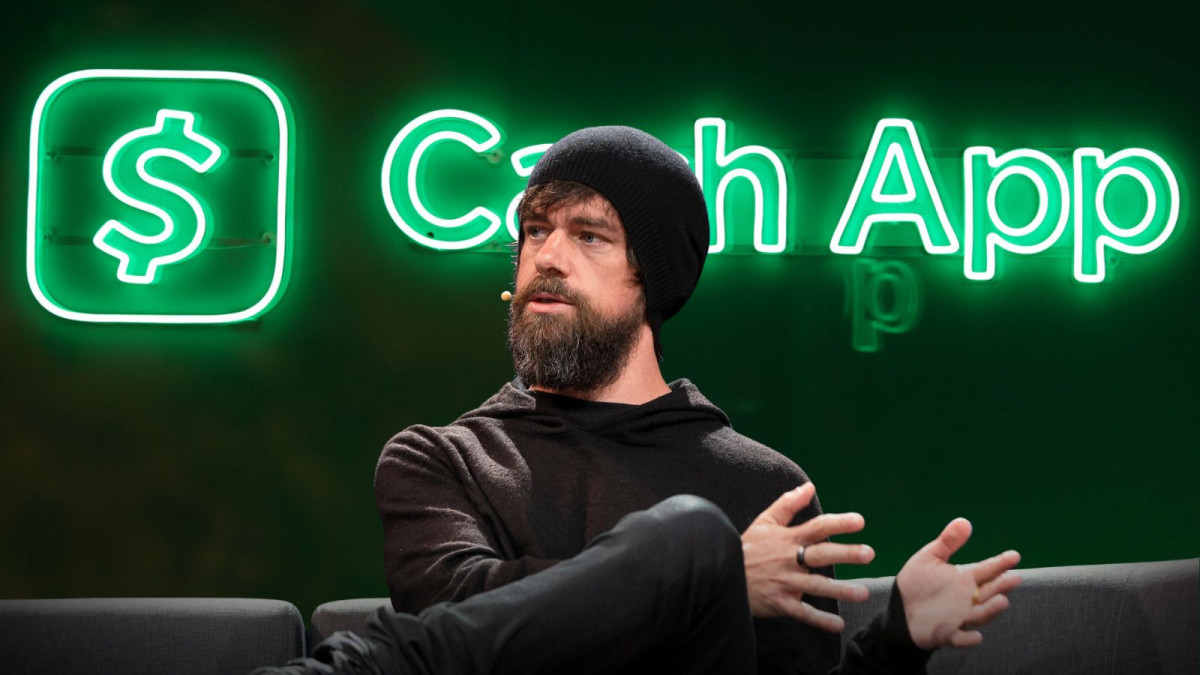
Cash App Goes Live With USDC For 60M Users

Block's Cash App has officially begun rolling out USDC stablecoin payments to its nearly 60 million monthly users. The feature went live today for roughly 25% of the platform's user base, with full availability expected by the end of the week.
The rollout covers four blockchain networks: Solana, Ethereum, Polygon, and Arbitrum. Users can now send USDC from their Cash App wallet to external wallets on any of the supported chains, and incoming USDC is automatically converted into a dollar balance within the app. No separate transfer fee applies, at least for now.
A Reluctant Pivot, Years in the Making
The launch carries some ideological weight. Jack Dorsey, Block's CEO and longtime Bitcoin maximalist, spent years positioning Cash App as a Bitcoin-first platform. He built out Bitcoin trading, backed mining hardware development, and integrated Lightning Network support for Square merchants globally. Stablecoins were not part of that vision.
That changed, grudgingly. In March, Dorsey publicly acknowledged the shift. "I don't like that we're going to support stablecoins but our customers want to use them," he said. "I don't think it's wise to go from one gatekeeper to another." The comment was candid in a way that's rare for major fintech announcements, and it framed the product addition less as strategic enthusiasm and more as a concession to market demand.
Block first hinted at the feature on the Cash App website late last year, describing stablecoins strictly as a payments mechanism rather than an investment tool. But that early hint has carried through to the live product.
Why Solana (and Why Not Just Solana)
Solana started as the sole chain involved with Cash App. Back in November 2025, Solana confirmed its involvement after sharing a demo by Circle's Jeremy Allaire showcasing a USDC transfer on the network. The choice made sense: Solana transactions typically cost under a cent and settle in under a second, conditions well-suited for the kind of peer-to-peer and remittance use cases Cash App serves.
But Block's Miles Suter framed the company's stance as "chain- and coin-agnostic" from the beginning. Solana was a starting point, not a commitment. The live rollout now includes Ethereum, Polygon, and Arbitrum alongside Solana, giving users flexibility across networks with different cost and speed profiles. Ethereum's gas fees can still spike during congestion, which is precisely why Layer 2 options like Arbitrum and Polygon matter.
The multi-chain approach also future-proofs the integration somewhat. If one network faces congestion or reliability issues at scale, users and the platform aren't locked in.
The Guardrails Are Real
Cash App is not positioning this as a DeFi on-ramp. The feature comes with meaningful restrictions. Sending is capped at $2,000 per day and $5,000 per week; receiving tops out at $10,000 weekly. The service is currently unavailable in New York and on sponsored accounts. Identity verification is required.
Perhaps most importantly, the app warns users that blockchain transactions are irreversible. Funds sent to a wrong address or unsupported network are gone permanently. That's a steep hill to climb for a consumer platform serving tens of millions of people who may be encountering on-chain transfers for the first time.
Stablecoins Are Here To Stay...and Thrive
Cash App's move lands against a backdrop of surging stablecoin adoption. As of this week, the total market value of stablecoins has hit a record $322 billion, exceeding the foreign exchange reserves of 95 nations, including the UK and Canada. USDC, issued by Circle, is the second-largest stablecoin and already sees over $14 billion in liquidity on Solana alone.
Western Union launched Solana-based remittances in the first half of 2026. Stripe has added USDC support across multiple chains. Visa has integrated Solana for stablecoin settlements. The regulatory picture has also clarified somewhat, with the GENIUS Act signed in July 2025 establishing a clearer federal framework for stablecoin issuance.
Taken together, this feels less like a novelty launch and more like a platform making its peace with where consumer payments are heading. Dorsey may not love it, but the product is live, the networks are there, and 60 million people now have a relatively frictionless path to on-chain dollar transfers whether they know what a blockchain is or not.
Polygon Launches Private Stablecoin Payments With Hinkal

Polygon, the leading Ethereum Layer 2 scaling solution, has partnered with Hinkal, a blockchain privacy protocol, to launch private stablecoin payments within its crypto wallet.
The partnership, according to Polygon, is aimed at bridging the gap between on chain rails and the needs of institutional finance, while facilitating private stablecoin payments among institutional clients that often process large volumes of transactions.

Talking about institutional clients, Polygon wrote on its blog, “They won't move operational flows onto a ledger that broadcasts every counterparty and every amount to every observer on the network. We've now enabled what institutions expect in the Polygon wallet”.
To maintain transparency, most public blockchains are designed to publicly record key transaction details, including information about the sender, the recipient, and the amount sent. While this level of transparency is unmatched, it has, however, prevented large institutions that uphold high standards of privacy from coming on chain.
To ensure institutional clients do not continue making this trade off, Polygon, in collaboration with Hinkal, created this stablecoin payment privacy feature that allows both retail and institutional users to make stablecoin payments within the Polygon wallet, while shielding sensitive details about the transaction, including information about the sender, the recipient, and the amount transacted.
To provide the best on-chain experience, this privacy feature leverages Polygon’s speed and low-cost transactions and Hinkal’s zero-knowledge proofs, which allow the shielding and routing of stablecoin payments. Since Hinkal is a non-custodial protocol, funds will always remain in the custody of users.
Polygon Accelerates Blockchain Expansion Efforts
The rollout of these private stablecoin payments comes a few days after social media giant Meta partnered with Polygon to enable payments to creators in the USDC stablecoin, an initiative that is expected to reach more than 160 countries before the end of the year.
As part of its expansion efforts and its big bet on stablecoins, Polygon acquired Coinme, a U.S.-based cryptocurrency cash exchange, in January of this year for $250 million. It has also integrated with and partnered with major traditional finance platforms, including Visa and Mastercard.
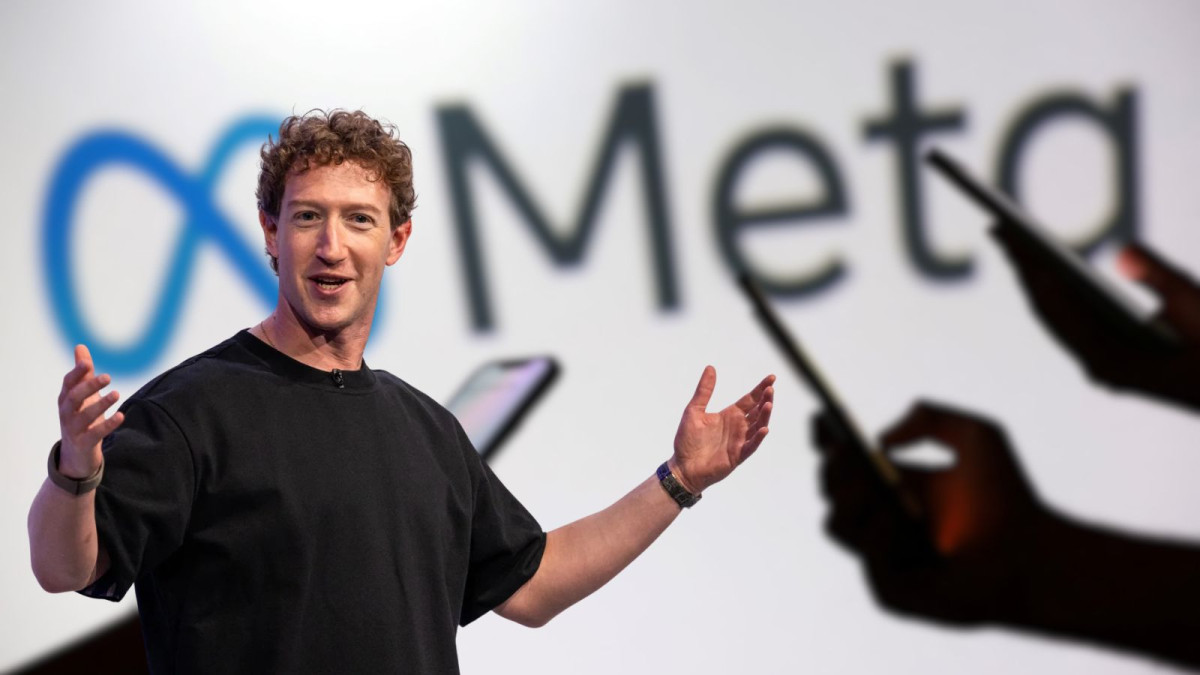
Meta Tests USDC Stablecoin Payouts for Creators

Social media giant Meta is currently running a pilot program that tests issuing creators’ payouts in stablecoins. “Meta now offers USDC stablecoin payouts via supported crypto wallets on the Solana and Polygon blockchain networks,” the team wrote on its Business Help Center page
Since this is still a pilot program, only creators in Colombia and the Philippines are currently eligible for the service, with the program expected to expand to more than 160 countries before the end of the year, according to an X post by Polygon Labs.

While the announcement was well received by many in the crypto community, a spokesperson for Meta clarified the goal of the initiative, stating that Meta was not issuing its own stablecoin but was instead tapping into Circle’s $77 billion USDC stablecoin, with plans to integrate the stablecoin into its payment infrastructure.
The Meta USDC creator payout program is currently supported by several popular crypto wallets, including MetaMask, Phantom, and Binance, with global payments platform Stripe handling the technical infrastructure and serving as the payments provider. Solana and Polygon are the only blockchain networks currently supported for this program.
Meta Pushes Again Into Crypto After Setbacks
Meta’s recent move into crypto follows several setbacks it has had to deal with in the past. In 2019, it launched Libra, a cryptocurrency which it said could be used across its different social media platforms, including Facebook, Instagram, and WhatsApp.
However, things did not go as planned, as some stakeholders, such as PayPal, Mastercard, and Visa, which were involved in the project, started pulling out due to scrutiny and backlash from U.S. regulators and from some members of the U.S. Congress.
Although Meta made several efforts to save the project, including rebranding it from Libra to Diem, a stablecoin backed by the U.S. dollar in an effort to appease federal regulators, nothing worked, as federal regulators stated that the project could not move forward.
Other projects associated with Libra and Diem, such as the Novi wallet, a cryptocurrency wallet built by Meta that allowed users to hold and transfer Libra, also failed, and the entire project was eventually wound down. According to Stuart Levey, then CEO of the Diem Association, “it became clear from our dialogue with federal regulators that the project could not move ahead.”
Bitwise Launches BSOL: Solana ETF Ushers in New Era for Altcoin Investments
Bitwise Launches BSOL, Marking a Breakthrough for Solana and a Signal for the Next Era of Altcoin ETFs
Bitwise Asset Management has officially launched BSOL, the first U.S. exchange-traded product offering spot exposure to Solana (SOL). This milestone marks a defining moment for Solana and signals the beginning of a new chapter for altcoins entering the regulated investment landscape.
Solana Takes Center Stage
The BSOL launch cements Solana’s position as a major player in institutional crypto adoption. It is the first product in the U.S. to provide direct, fully backed exposure to Solana’s native token while staking 100 percent of holdings through Bitwise’s in-house infrastructure.
By leveraging Solana’s roughly 7 percent average staking yield, BSOL offers investors not only price exposure but also yield generation — all within a familiar, regulated ETF-style structure. This combination of accessibility, yield, and scalability positions Solana as the most advanced blockchain to reach institutional markets so far.
Solana’s growing ecosystem, low fees, and high-speed performance have made it one of the most active blockchains in the world. With BSOL now available to U.S. investors, Solana is moving from a crypto-native asset to a mainstream investment product — a shift that could have lasting effects on capital inflows and market perception.
The Start of the Altcoin ETF Era
While Solana leads the charge, the BSOL launch is a clear sign that altcoins with strong fundamentals are next in line. The success of Bitcoin and Ethereum ETFs proved investor appetite for digital assets, but Solana’s inclusion marks the next evolution — one defined by innovation, network utility, and yield.
Regulatory momentum and market demand are now aligning in favor of more diversified crypto exposure. As institutional frameworks become more comfortable with blockchain infrastructure, attention is shifting toward other high-performing networks.
Cardano, Avalanche, and Polygon are often mentioned among the top contenders for future ETF approval. Each represents a unique approach to scalability, interoperability, or governance, and together they illustrate the growing depth of the blockchain landscape.
The path forward suggests a broader expansion: Solana today, Cardano and others tomorrow. The foundation is being laid for a new generation of regulated altcoin investment products that reflect the diversity and maturity of modern blockchain ecosystems.
What This Means for Investors
For investors, BSOL offers more than just a new way to hold Solana. It represents a model for how future blockchain ETFs could be built — combining direct asset exposure, staking yield, and institutional security.
As more altcoin ETFs emerge, investors will be able to construct diversified portfolios across multiple ecosystems. This evolution could help reduce volatility, improve liquidity, and create structured opportunities for exposure to Web3 growth.
Institutional adoption is no longer theoretical. With BSOL trading on U.S. markets, it’s becoming a tangible part of investment strategy. If this trend continues, 2026 could be the year that altcoin ETFs become a standard feature of global financial markets.
Conclusion
Bitwise’s launch of BSOL is a turning point for Solana and the broader crypto industry. It validates Solana’s technology, rewards investors through staking yield, and brings blockchain innovation into the regulated financial world.
It also opens the door for what comes next. Altcoins like Cardano, Avalanche, and Polygon are gaining traction and could soon follow in Solana’s footsteps. Together, they represent the next wave of blockchain assets poised for institutional adoption.
Solana has proven that altcoins can succeed on the world’s biggest financial stage. The rest are not far behind.
Stay Connected
You can stay up to date on all News, Events, and Marketing of Rare Network, including Rare Evo: America’s Premier Blockchain Conference, happening July 28th-31st, 2026 at The ARIA Resort & Casino, by following our socials on X, LinkedIn, and YouTube.