#Michael Selig
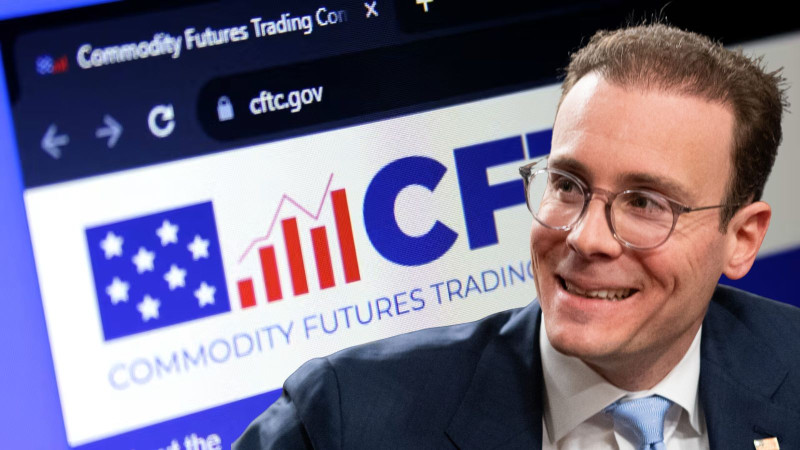
CFTC Launches Future-Proof Initiative, Signaling Shift in U.S. Crypto Regulation

When Michael Selig stepped into the role of CFTC chair late last year, the crypto industry was already expecting a change in tone. This week, it got confirmation.
On January 20, Selig announced the launch of the CFTC’s new “Future-Proof” initiative, a program designed to rethink how U.S. markets regulate crypto, digital assets, and other fast-moving financial technologies. The message was clear. The old approach is no longer enough.
Rather than relying on enforcement actions and retroactive interpretations of decades-old rules, the CFTC wants to build regulatory frameworks that actually reflect how these markets function today.
For an industry that has spent years navigating uncertainty, that alone is a notable shift.
A Chair With Deep Crypto Roots
Selig is not new to crypto regulation. Before taking the top job at the CFTC, he worked closely with digital asset policy at the SEC and spent time in private practice advising both traditional financial firms and crypto companies. He also previously clerked at the CFTC, giving him an unusually well-rounded view of how regulators and markets interact.
That background shows up in his public comments. Since taking office, Selig has repeatedly emphasized predictability, clarity, and rules that market participants can actually follow without guessing how an agency might interpret them years later.
The Future-Proof initiative is the clearest expression of that philosophy so far.
What “Future-Proof” Really Means
At its core, Future-Proof is about moving away from improvisation. The CFTC wants to stop forcing novel digital products into regulatory boxes built for traditional derivatives and commodities.
Instead, the agency plans to pursue purpose-built rules through formal notice-and-comment processes. That means more upfront guidance and fewer surprises delivered through enforcement actions.
Selig has described the goal as applying the minimum effective level of regulation. Enough oversight to protect markets and participants, but not so much that innovation is choked off before it has a chance to mature.
For crypto firms, that approach could offer something they have long asked for but rarely received, which is regulatory certainty.
Why the Industry Is Paying Attention
The timing matters. Crypto markets are more institutional than they were even a few years ago. Large asset managers, trading firms, and infrastructure providers want clearer rules before committing serious capital. Uncertainty around jurisdiction and compliance has been one of the biggest obstacles.
If the CFTC follows through, Future-Proof could help define how derivatives, spot markets, and emerging products like prediction markets are treated under U.S. law. That would make it easier for firms to build, invest, and operate without constantly second-guessing regulators.
At the same time, clarity cuts both ways. More defined rules could also raise the bar for compliance, especially for smaller startups and decentralized platforms that have operated in legal gray zones.

Tennessee Attempts to Block Prediction Markets
A Broader Political Shift
Selig’s initiative does not exist in isolation. It comes as lawmakers in Washington continue debating how to split crypto oversight between the CFTC and the SEC. Several proposed bills aim to draw clearer lines around digital commodities and spot market regulation, potentially expanding the CFTC’s role.
Future-Proof appears designed to fit neatly into that broader push. If Congress hands the agency more authority, the CFTC wants to be ready with frameworks that can scale.
Still, challenges remain. The commission currently lacks a full slate of confirmed commissioners, raising questions about how durable these policy shifts will be. Coordination with the SEC is another open issue, especially where token classifications blur the line between securities and commodities.
What Does The Future Hold?
For now, Future-Proof is more direction than destination. The real test will be how quickly the CFTC turns principles into actual rules, and whether those rules survive political change and legal scrutiny.
But the tone alone represents a meaningful break from the past. After years of regulation by enforcement and ambiguity, the agency is signaling that crypto markets are not a temporary problem to be contained, but a permanent part of the financial system that deserves thoughtful governance.
Whether that vision becomes reality will shape the next phase of U.S. crypto regulation, and potentially determine whether innovation stays onshore or continues looking elsewhere.

Trump Appoints Pro-Crypto Lawyer Michael Selig to Lead the CFTC
Trump Appoints Pro-Crypto Lawyer Michael Selig to Lead the CFTC
A new chapter for U.S. crypto regulation
President Donald Trump has nominated Michael Selig to serve as Chair of the U.S. Commodity Futures Trading Commission (CFTC). The move marks one of the clearest signals yet that the administration intends to take a pro-innovation approach toward digital assets.
If confirmed by the Senate, Selig would succeed acting Chair Caroline Pham and lead one of the key federal agencies overseeing U.S. derivatives and crypto markets. His background in crypto policy and law positions him as a potential bridge between the CFTC and the Securities and Exchange Commission (SEC), which have often clashed over digital asset oversight.
Who is Michael Selig
Michael Selig currently serves as Chief Counsel for the SEC’s Crypto Task Force, where he has played a central role in shaping digital asset policy. Before joining the SEC, Selig worked at the law firm Willkie Farr & Gallagher, focusing on fintech and blockchain regulation. Earlier in his career, he interned at the CFTC, giving him firsthand insight into how the agency functions.
Throughout his career, Selig has been recognized for his deep understanding of both traditional finance and emerging crypto ecosystems. He is considered one of the few U.S. legal experts who can navigate the complex line between securities and commodities law as it applies to digital assets.
Why This Matters
The appointment sends a strong signal that the administration aims to modernize U.S. financial regulation. Selig is known for supporting clear, innovation-friendly frameworks rather than strict enforcement-first approaches.
For years, crypto companies and investors have criticized U.S. regulators for sending mixed messages about what counts as a security versus a commodity. The result has been uncertainty that stifled innovation and pushed some firms overseas. With Selig at the helm, the CFTC may seek to provide clarity while fostering responsible growth in digital markets.
The nomination also reflects a broader shift in Washington. Rather than treating digital assets purely as a threat, policymakers appear to be viewing blockchain technology as an opportunity for U.S. leadership in global finance.
What to Watch
The next step for Selig will be Senate confirmation, a process that could include tough questioning about his crypto-friendly stance. Lawmakers are divided on how much authority the CFTC should have over digital assets, and Selig’s confirmation could become a flashpoint in the broader debate over crypto regulation.
If approved, his leadership could influence key policy areas, including:
-
CFTC-SEC Coordination: Efforts to align rules between the two agencies and reduce regulatory overlap.
-
Market Structure Reform: Defining how tokens, stablecoins, and decentralized finance products are classified.
-
Industry Engagement: Building formal channels for dialogue between regulators and blockchain innovators.
-
Global Competitiveness: Positioning the U.S. as a leading market for compliant digital asset innovation.
The Bigger Picture
Selig’s nomination comes at a pivotal time for crypto policy. Congress is considering new legislation that could expand or clarify the CFTC’s jurisdiction over digital assets. Having a chair who understands both the technology and the law could make a major difference in how those rules are implemented.
The crypto industry has responded positively, viewing Selig as someone who can combine pragmatic regulation with a commitment to innovation. However, optimism is tempered by the reality that new leadership alone will not resolve all challenges. Effective reform will still require interagency cooperation, clear legislative backing, and strong consumer protections.
Final Thoughts
Michael Selig’s appointment represents more than just a personnel change. It could mark the start of a new era for U.S. crypto policy, where innovation and regulation are not seen as opposing forces.
If confirmed, Selig will face the challenge of turning a fragmented regulatory landscape into one that encourages growth while maintaining market integrity. His success will depend on balancing ambition with accountability, and on ensuring that the U.S. remains both competitive and credible in the global digital economy.