#Lending Protocols
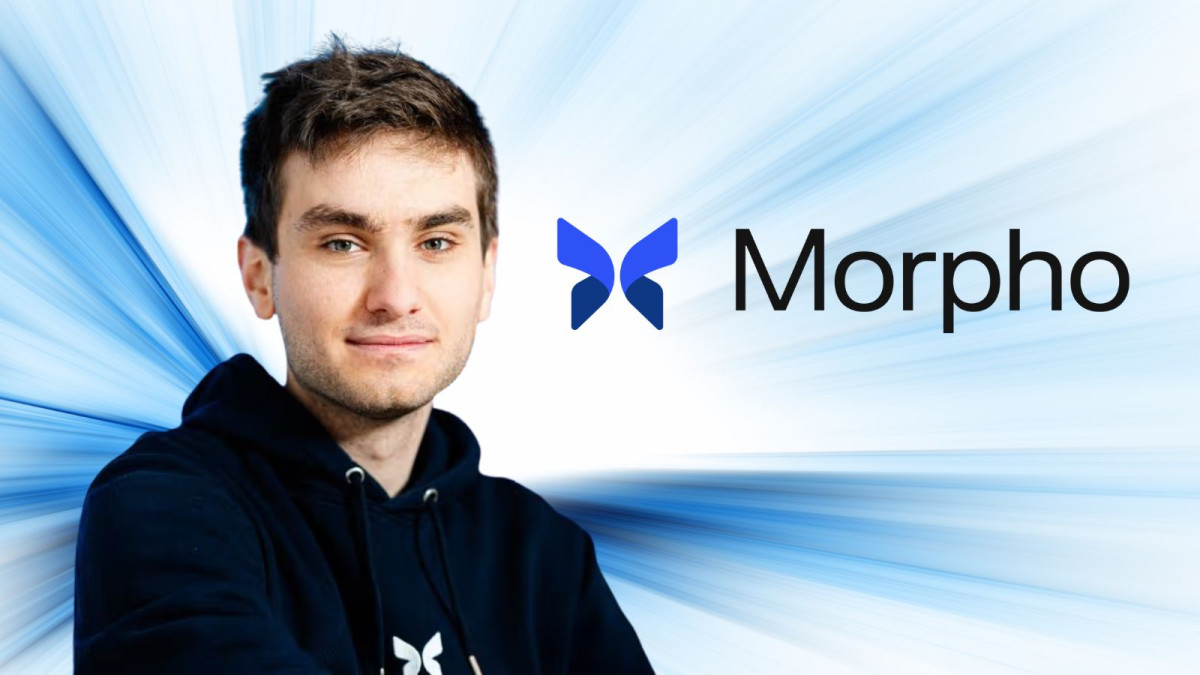
Morpho Raises $175M to Expand DeFi Lending Network

Morpho, a leading decentralized finance lending protocol, has raised $175 million in a funding round led by Paradigm, a16z crypto, and Ribbit Capital. Other firms involved in the round include Apollo Funds, Circle Ventures, VanEck, Ledger Cathay, Variant, Wintermute Ventures, Prelude, IOSG, HashKey, Mirana, NJJ Capital, SBI Group, Bpifrance, and Bam Azizi.

With the funds raised, Morpho aims to further deepen its technical and commercial integrations with strategic partners and continue its mission of developing and strengthening the on-chain infrastructure businesses need to build programmable credit products.
“The true value of finance has always been held back by outdated infrastructure, fragmented systems, and extractive intermediaries,” says Paul Frambot, co-founder of Morpho. “We started Morpho to change that. We’re building the open credit network for the world, connecting those with excess capital to those who need financing globally.”
About Morpho
Morpho is a leading decentralized, permissionless lending protocol operating across Ethereum, Base, and other EVM-compatible blockchain networks. Launched in 2021, Morpho aims to efficiently connect lenders and borrowers globally through its decentralized credit network.
Morpho claims to have facilitated more than $11 billion in deposits since its launch. Its decentralized lending platform is currently used by several institutional clients, including Bitwise, Galaxy, Anchorage Digital, Ledger, Trezor, Bitpanda, Coinbase, Kraken, and Binance. In total, Morpho has raised more than $244 million, with a valuation of approximately $2 billion.
The State of DeFi Lending
On-chain lending remains one of the largest and most mature sectors in decentralized finance. According to data from DeFiLlama, the total value locked in DeFi lending across more than 600 protocols stands at approximately $35.5 billion to $35.8 billion, with Aave, Morpho, and SparkLend holding the largest market shares in the sector.
Institutional adoption in DeFi lending has also accelerated significantly, with blockchain protocols such as Morpho launching Morpho Blue and MetaMorpho vaults, which allow easier integration of the Morpho platform with other centralized finance and institutional platforms. SparkLend has also launched dedicated products targeting institutional clients.
Several other companies, including Gemini, Crypto.com, Fireblocks, Bitwise, J.P. Morgan, and VanEck, have also become involved in institutional DeFi lending through partnerships or the launch of DeFi lending products.
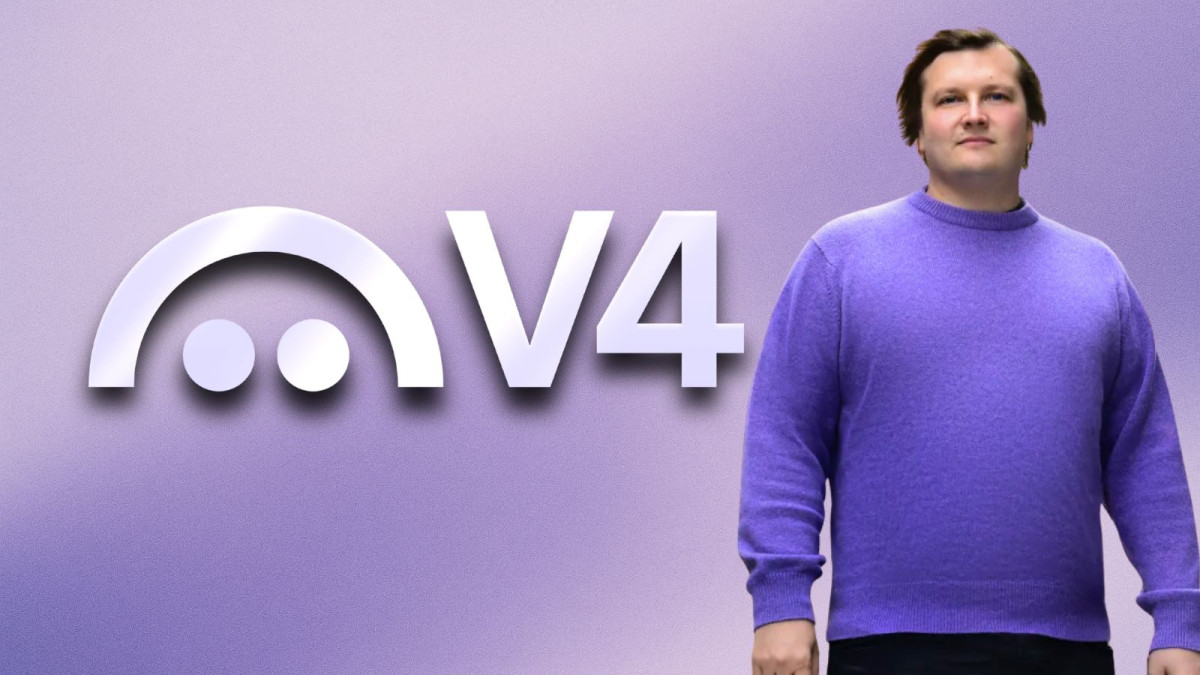
Aave V4 Is Live, How It Is Transforming DeFi Lending

After more than two years in development, Aave has officially deployed its fourth protocol iteration on the Ethereum mainnet, introducing what the team is calling a fundamental redesign of the way decentralized lending works. The upgrade is built around a hub-and-spoke architecture that Aave Labs CEO Stani Kulechov says positions the protocol as the most resilient lending market in the world.
Speaking at DeFi Day during ECC in Cannes, Kulechov sat down with The ROLLUP to walk through what the upgrade means and where Aave goes from here. The conversation covered everything from the protocol's new risk tooling to its partnership with Chainlink, and for a protocol that has survived the FTX collapse, multiple bear markets, and various DeFi exploits without accruing bad debt, Kulechov's confidence did not feel misplaced.
A New Plumbing System for DeFi Liquidity
The core change in V4 is a shift away from isolated liquidity pools, the model that defined both V2 and V3. In the previous design, each market on Ethereum held its own separate pool of assets. Capital in one market could not serve borrowers in another, which made it notoriously difficult to list new assets or bootstrap fresh lending markets without starting from scratch.
V4 replaces that structure with a central Liquidity Hub that aggregates capital across the protocol. Specialized spoke markets connect to the hub and draw from its shared pool, each with its own risk parameters, collateral rules, and liquidation settings. Kulechov used the tranching model from traditional finance as a reference point, explaining it to The ROLLUP as three tiers: a plus spoke for riskier, tail-end opportunities; a core hub for risk-adjusted mainstream markets; and a prime hub for the conservative end of the curve.
The practical implication is that a builder wanting to list a newer, less-proven token can now plug into the plus spoke without needing to bootstrap liquidity from zero. If that market matures, it can work its way toward the core hub. "One of the biggest challenges for DeFi builders has been how to bootstrap their product and liquidity," Kulechov told The ROLLUP. "This is the perfect way where if you build something exciting, it can be connected into existing Aave liquidity."
That said, Kulechov was clear the gates are not wide open yet. Spoke creation remains DAO-governed during the controlled launch phase, with the protocol prioritizing security over growth in the early going.
Risk Management Gets a Real Overhaul
Two specific features stand out on the risk side. The first is risk premiums, which allow the protocol to price risk differently depending on the collateral type a borrower is using. Under V3, every borrower taking out a loan against a given stablecoin paid roughly the same rate. V4 changes that, layering in a variable premium so that riskier collateral positions carry a higher borrow cost.
The second is dynamic risk configuration, which lets the protocol update parameters for new positions without touching existing ones. Kulechov walked The ROLLUP through why this matters: "Configurations can be applied to new positions without affecting old positions," he said, describing it as fundamentally new tooling that simply did not exist in prior Aave architecture.
The security buildout behind V4 reportedly spanned more than a year, with roughly eight months dedicated specifically to hardening the protocol's infrastructure. Formal verification firm Certora worked alongside the Aave Labs engineering team from the earliest architectural stages, embedding smart contract protections into the design rather than treating them as a pre-launch formality. V4 launched with conservative supply and borrow caps across all three hubs, a posture Aave says is entirely intentional while the protocol proves itself in production.
Chainlink SVR Adds a Revenue Stream on the Liquidation Side
Running alongside the V4 launch is Aave's expanding integration with Chainlink's Smart Value Recapture product, known as SVR. The mechanism routes oracle price updates through a private channel ahead of the public mempool, allowing an auction to occur for the right to backrun liquidations. Value that would otherwise flow entirely to block builders and MEV searchers instead gets shared between Aave and Chainlink.
Kulechov explained the appeal of the integration to The ROLLUP in fairly direct terms: "It helps all the users and it also helps the Aave treasury," he said. "It's a balance of being able to get Aave, as a community, to capture some of that revenue that liquidations occur with, directly into the Aave treasury."
As a launch partner, Aave currently receives 65% of recaptured MEV with Chainlink taking 35%, a rate locked in for the first six months of the live integration. The Aave DAO voted unanimously to expand SVR coverage on Ethereum from roughly 3% of protocol TVL to approximately 27%, following a pilot period during which no bad debt accrued. The integration has since been extended to Arbitrum. Chainlink's own testing suggests SVR can recapture around 40% of non-toxic liquidation MEV, which at Aave's scale represents a meaningful addition to treasury revenues.
What Existing Users Actually Need to Do
For users currently sitting in V3 positions, Kulechov's message on The ROLLUP was simple: there is no urgency to move. V1, V2, and V3 deployments will continue operating as long as the underlying blockchains remain available. "Our V3 is a perfectly working system," he said. "There is no rush. We want it to be as organic as possible."
V4 does offer new collateral compositions, new hub options, and potentially improved rates depending on the position, but migration is purely optional for now. Aave Pro, the new interface designed specifically for V4, surfaces all hubs and spokes in a unified account view and shows real-time risk premiums and health factors. It is freely accessible despite the name.
When asked on The ROLLUP which category of protocols would benefit most if the tokenization thesis plays out and trillions of dollars of assets come onchain, his answer was concise: "Where Aave is sitting is in the middle of DeFi, stablecoins, and RWAs. And I think those three components make the future of finance." Whether V4 proves durable enough to support that kind of scale is the question the next few months will start to answer. But given Aave's long track record of delivering a quality product, we think that their success is a safe bet.