#MICA
Revolut Launches EURR Stablecoin in 3 European Markets

Global fintech company Revolut has rolled out its MiCA-compliant, euro-denominated stablecoin EURR across Denmark, Poland and Portugal.
Announcing the rollout in a Wednesday post on X, Revolut said the launch aims to make stablecoins more accessible to its customers, giving them more options beyond the dominant dollar-backed stablecoins.
With the launch of EURR, Revolut customers across the three European countries will now be able to move more value on-chain, with the company hinting at a potential expansion into other European markets later this year.
"EURR connects 80 million Revolut customers directly to on-chain finance," Emil Urmanshin, Head of Crypto at Revolut, said.
"By combining our global scale and licensed banking infrastructure with instant euro-denominated access to the crypto ecosystem, we are unlocking real-world stablecoin utility that no traditional bank or crypto-native company can match."
The EURR stablecoin will be issued by Bridge Building S.A., the stablecoin infrastructure company acquired by Stripe for $1.1 billion in October of last year. For a start, EURR will only be available on Ethereum and Polygon, with support for more blockchains expected over time.
Institutional Interest in Euro-Pegged Stablecoins Grows
Despite accounting for only about 0.2% of the total stablecoin market, euro-pegged stablecoins have received growing interest from financial institutions looking to create more options for users beyond dollar-backed stablecoins.
Prior to the launch of EURR, EURXT, a stablecoin also pegged to the euro, was launched by Crédit Agricole, one of Europe’s largest banks, in July of this year.
Efforts are underway by other institutions to launch euro-denominated stablecoins, notable among them is the Qivalis consortium, made up of about 37 banks, which is targeting the launch of a euro-pegged stablecoin in the second half of this year.
Ripple Secures Full MiCA CASP License in Europe

Ripple, the leading blockchain technology company building digital infrastructure for cross-border payments, has secured a full Crypto Asset Service Provider (CASP) license from the Commission de Surveillance du Secteur Financier in Luxembourg.

Image credit: x.com
The full CASP authorization, announced on Monday, comes shortly after Ripple received preliminary approval from Luxembourg's financial regulator in June. With this license, Ripple is now fully compliant with the Markets in Crypto Assets (MiCA) regulation, enabling it to offer its crypto services to businesses and institutions across all 30 countries of the European Economic Area.
"This CASP authorization means Ripple enters the post-transitional MiCA era fully compliant and ready to scale," said Cassie Craddock, Managing Director for the United Kingdom and Europe at Ripple.
"The institutions we work with across Europe are looking to build their digital asset services alongside regulated partners, and Ripple is licensed and ready to meet that demand."
Ripple now joins a small group of digital asset firms, including Coinbase, Kraken, Crypto.com, Bitstamp, and OKX, that have obtained full authorization under MiCA. The company says it now holds more than 75 regulatory licenses worldwide, in addition to the Electronic Money Institution (EMI) license it secured in February.
Elsewhere on the regulatory front, the MiCA July 1 deadline is now fully in effect, with unlicensed digital asset firms required to stop serving clients in the European Union. It is estimated that more than 80 percent of the approximately 1,200 previously registered firms that lacked full licenses by late June have either exited the European Union or restricted their operations there.
Ripple's full CASP license comes shortly after the company was named among more than 140 members of the Open Standard consortium, a group of companies collaborating on the launch of OpenUSD (OUSD), a dollar-pegged stablecoin. The company also recently invested in Flutterwave, Africa's largest fintech unicorn.
Keyrock Secures MiCA License to Expand Across EU

Keyrock, a leading crypto investment company and digital asset liquidity provider, has secured a Markets in Crypto Assets Regulation (MiCA) license, advancing its efforts to expand its presence across the European Union (EU).

The company announced the authorization in a Monday blog post, stating that it was granted through its French subsidiary, Keyrock FR SAS. According to Reza Ghadiri Zare, Keyrock’s general counsel, the MiCA license provides regulatory certainty as the firm scales its operations across EU member states, thereby strengthening investor confidence.
“Achieving a MiCA license not only demonstrates our uncompromising market integrity, but also signals our intent for the future,” commented Kevin de Patoul, CEO of Keyrock. “We’ll continue to drive progress in digital assets, but never at the expense of security or transparency. As we grow, we’ll provide clients with the stability and confidence required in a regulated market.”
With MiCA licensing secured and regulatory hurdles cleared, Keyrock aims to enhance its cross-border operations across the EU. Coupled with its liquidity and risk management infrastructure, the company plans to further scale its digital asset initiatives.
With a valuation of $1.1 billion, Keyrock operates a liquidity infrastructure that spans more than 85 centralized and decentralized exchanges and over 1,400 markets.
About Keyrock
Founded in 2017, Keyrock is a leading global digital asset market maker that aims to make crypto markets more accessible and scalable. Leveraging its high-frequency trading technologies, risk management capabilities, and deep liquidity, Keyrock offers a range of services, including market making, OTC trading, and digital asset and wealth management.
As one of the earliest crypto market makers, Keyrock has achieved several significant milestones, including raising more than $170 million and achieving unicorn valuation. The company has also secured the necessary licenses, reducing regulatory uncertainty as it expands across the EU. Keyrock serves institutional clients, including hedge funds, asset managers, and traditional finance companies entering the digital asset market.
Zodia Custody Secures Luxembourg Payment License for EU Expansion

Zodia Custody, a company that provides institutional custody for cryptocurrencies and digital assets, has secured a payment license from Luxembourg’s Commission de Surveillance du Secteur Financier (CSSF), the country’s primary financial regulator.

With this payment license secured, Zodia Custody is set to expand beyond crypto custody, its main offering, and is now moving into both the custody and seamless transfer of electronic money tokens and stablecoins within the European Union.
“Institutional adoption of crypto assets demands infrastructure that meets the highest standards of regulatory adherence and operational efficiency,” said Ami Nagata, Managing Director, Luxembourg at Zodia Custody Europe.
“Securing a Payment Institution license alongside our MiCA CASP authorization is a critical step in bridging our capabilities across crypto asset safekeeping. With both licenses in place, our clients have the certainty they need to manage their electronic money token and crypto asset strategies across Europe, with full confidence that their assets are safeguarded within a bank-grade environment.”
Alongside the payment license and the MiCA license it secured in December last year, Zodia Custody is now well-positioned to serve as a core infrastructure provider for institutional digital finance. Securing these licenses removes structural barriers and counterparty risks commonly associated with crypto asset service providers.
The securing of the Luxembourg payment license comes shortly after Standard Chartered made a non-binding offer to acquire Zodia Custody. Although the acquisition cost was not publicly disclosed, the offer has already been accepted by Zodia Custody shareholders.
Zodia Custody currently serves a number of institutional clients, including 21Shares, Re7 Capital, Bitwise, and BitMEX. In April of this year, Zodia Custody partnered with BitMEX to integrate the Interchange platform into BitMEX's infrastructure to enable off-exchange trading, a move that enhances the safety of clients' assets on the BitMEX platform, especially in the event of a security breach.
Qivalis Expands Euro Stablecoin Consortium to 37 Banks

Qivalis, an Amsterdam-based joint venture developing a fully regulated MiCA-compliant euro stablecoin, has expanded its consortium to include 25 new banks.

With this expansion, the Qivalis consortium now comprises 37 banks across 15 European countries, including major names such as ABN AMRO, Rabobank, Nordea, Intesa Sanpaolo, Banco Sabadell, and Bankinter.
Created in early December last year, the Qivalis consortium is a group of European banks that came together to develop a stablecoin pegged to the euro. By launching a euro-pegged stablecoin, Qivalis aimed to create a credible and regulated alternative to the widely used United States dollar stablecoin.
The Qivalis euro-backed stablecoin would also eliminate the need for European banks to launch competing bank-issued stablecoins, as it is interoperable and fully compliant with MiCA across the European Union and the European Economic Area.
The consortium is currently pursuing an Electronic Money Institution license from De Nederlandsche Bank, the Dutch central bank, with plans to launch a euro-backed stablecoin in the second half of this year.
The State of the Stablecoin Market
The stablecoin market continues to grow significantly, with more traditional finance institutions entering and tapping into the expanding sector. According to a recent report, total stablecoin liquidity, or market capitalization, has crossed $320 billion, with US dollar-backed stablecoins accounting for about 95% of the market.
Tether (USDT) remains the most widely used US dollar-backed stablecoin, accounting for about 57.96% of the market, or approximately $ 185 billion in market capitalization. USD Coin (USDC) follows, accounting for about 24% of the market and having a market capitalization of roughly $78-79 billion.
The euro-denominated stablecoin market still represents a small fraction of the global stablecoin market. According to CoinGecko, euro-denominated stablecoins have a combined market capitalization of roughly $670 million, with EURC from Circle and EURS from Stasis being the two most prominent, with market caps of $436 million and $145 million, respectively.
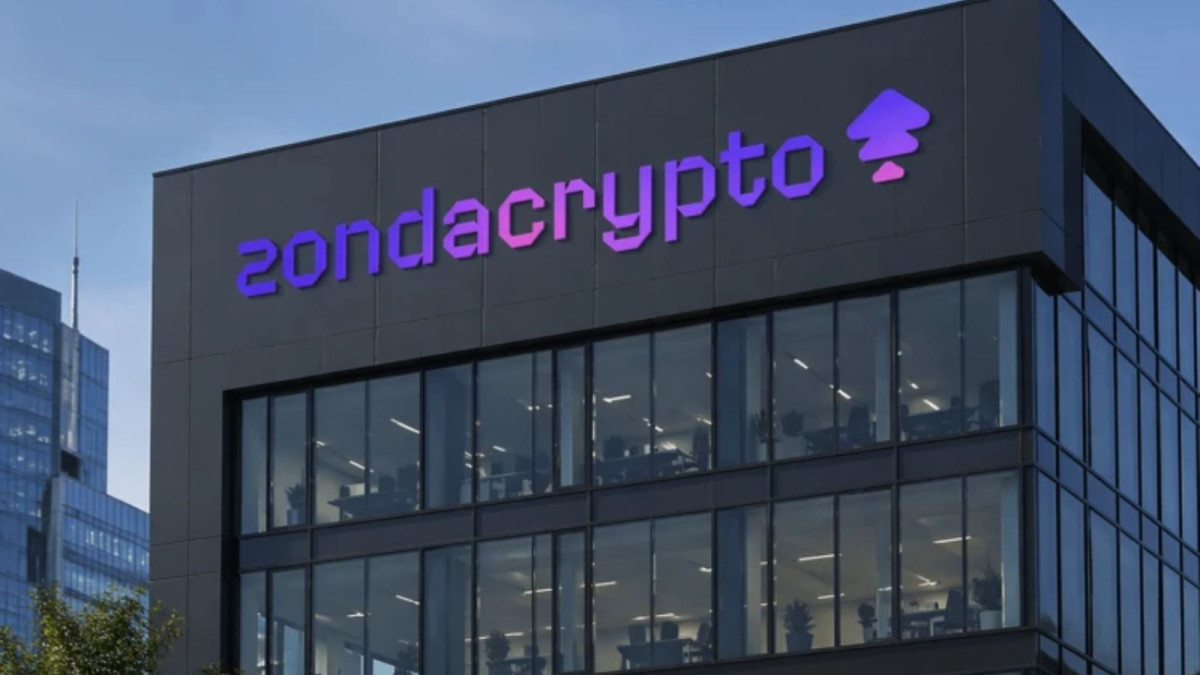
Poland Passes MiCA Bill Amid Zondacrypto Collapse

Lawmakers in the lower house of the Polish parliament, the Sejm, have passed a bill implementing the European Union Markets in Crypto Assets Regulation (MiCA), amid a probe into the collapse of Zondacrypto, the country’s largest cryptocurrency exchange.
The passage of the bill marks a third attempt after the president vetoed earlier versions proposed by lawmakers. Following the latest parliamentary approval, the bill now awaits the president’s decision before it can become law.
The Polish government has until July 1, 2026, the end of the transitional period, to implement the MiCA framework. If the deadline is missed, virtual asset service providers risk having their licenses expire. Without valid authorization, crypto firms in Poland would no longer be permitted to provide crypto asset services to clients in Poland or across the European Union.
As a result, affected companies may be forced to shut down their operations in Poland or relocate to another EU member state in order to obtain a crypto asset service provider license, which is generally more costly and time-consuming. This requirement applies primarily to domestic crypto entities, while foreign crypto companies operating in Poland are expected to remain unaffected by this policy.
Zondacrypto Collapse
The passage of the bill adopting MiCA comes as Polish prosecutors have launched an investigation into the collapse of Zondacrypto, the country’s largest cryptocurrency exchange.
Zondacrypto has halted withdrawals for thousands of users since December 2025, leaving many unable to access their funds. According to Polish authorities, about 30,000 users have been affected, with estimated losses exceeding 350 million zlotys ($95.93 million).
Amid Zondacrypto’s financial struggles and its admission that it lost access to a cold wallet holding about 4,500 BTC, allegedly linked to its former CEO, who has been missing since 2022, Polish Prime Minister Donald Tusk has alleged that the exchange’s collapse is linked to fraud and its existing ties with Russian mafia groups.
According to Tusk, Zondacrypto’s success comes from “Russian money linked to the so-called Bratva Mafia group and Russian intelligence agencies.” Describing its roots as sinister, Tusk accused Zondacrypto of sponsoring right-wing opposition politicians. By advancing the bill supporting MiCA, Tusk aims to reduce the ease with which cryptocurrencies are used to finance sabotage activities in the country.
AllUnity Expands EURAU Stablecoin to Major DEXs

AllUnity, a regulated European stablecoin issuer, is bringing EURAU, its Markets in Crypto-Assets compliant stablecoin, to major decentralized exchanges.
The announcement, made recently by the issuer, will see the introduction of AllUnity’s EURAU stablecoin in two trading pairs across multiple chains. These include the EURAU/USDT pair on the Ethereum and Solana blockchains via Uniswap and Raydium, as well as the EURAU/USDT0 trading pair on the Tempo blockchain via Uniswap.
To support this expansion initiative, Flowdesk, a regulated digital asset trading firm, will serve as the main liquidity provider for the EURAU rollout across the different decentralized exchanges. This move is expected to improve EURAU’s integration and utility in decentralized finance, enabling traders to swap between EURAU and USDT with reduced slippage.
According to Rupertus Rothenhäuser, Chief Commercial Officer at AllUnity, the expansion represents a key step toward building a robust and accessible euro liquidity layer. He added that it will enable seamless euro to dollar trading and empower institutions and liquidity providers to participate in deep and efficient markets.
Dollar-pegged stablecoins continue to dominate
Stablecoins tied to the U.S. dollar continue to maintain the largest share of the more than $320 billion stablecoin market cap. According to a report, USD pegged stablecoins make up about 99 percent of the total global stablecoin supply, with Tether’s USDT and Circle’s USDC being the largest by market cap.
Euro pegged stablecoins account for a small share of the global supply, with a market cap of about €450 million to approximately $1 billion, representing less than 0.3 percent of the total.
Despite remaining a niche segment of the crypto market, euro pegged stablecoins have seen some institutional adoption in recent months. In February this year, Société Générale, one of Europe’s largest banks, expanded its euro pegged EURCV stablecoin to the XRP Ledger and the Stellar blockchain.
In December last year, about twelve of Europe’s largest banks, including ING, UniCredit, BNP Paribas, and CaixaBank, formed Qivalis, a joint consortium to launch a euro pegged stablecoin. The consortium has engaged in regulatory dialogue with the Dutch National Bank and has entered advanced talks with cryptocurrency exchanges regarding the launch, which is expected this quarter.
Bank Backed Stablecoin Now Available on MetaMask

Société Générale-FORGE (SG FORGE), the digital asset subsidiary of Société Générale, one of France’s largest multinational banks, has partnered with Consensys to bring its Markets in Crypto Assets Regulation (MICA)-compliant USD CoinVertible (USDCV) stablecoin into MetaMask.
The partnership, announced in a recent press release, will see USD CoinVertible (USDCV), one of the few regulated stablecoins issued by a major traditional bank, among the few shortlisted stablecoins available on MetaMask.

To appeal to all kinds of users, including retail and institutional users, the USDCV stablecoin is fully regulated and compliant, with full reserves and one to one backing to the US dollar. It is backed by cash and cash equivalents, with BNY Mellon serving as its reserve custodian.
Apart from helping bridge the gap between traditional finance and decentralized finance, the integration also creates a robust, secure, and transparent environment for users, including retail and institutional users looking to conduct blockchain transactions and decentralized finance interactions.
With support from global payments infrastructure company Transak, users will be able to perform on ramp and off ramp activities with the USDCV stablecoin within the MetaMask app, while also being able to trade crypto assets with it.
Speaking on the integration, Jean Marc Stenger, CEO of Société Générale FORGE, said the integration is aimed at accelerating the emergence of an interoperable financial system that combines the advantages of blockchain technology with the security and compliance of an European Union regulated stablecoin supported by one of Europe’s largest banks.
SG-FORGE Ramps Up its Crypto Efforts
Société Générale, through its digital asset subsidiary SG FORGE, has continued to bridge the gap between traditional finance and decentralized finance, integrating its EUR CoinVertible (EURCV) and USD CoinVertible (USDCV) stablecoins across different traditional finance and crypto ecosystems.
In January of this year, SG FORGE, in partnership with payments giant SWIFT, ran an interoperability test on SWIFT’s payment system, using its EURCV stablecoin as a means of exchange and for tokenized bond settlement, an experiment that was marked as successful.
In November last year, SG FORGE integrated its EURCV and USDCV stablecoins into the system of Deutsche Börse Group, one of the world’s leading financial market infrastructure providers. This integration enabled token based cash solutions, settlement, and a broader use of stablecoins at institutional grade, closing the gap between core crypto users and traditional capital markets.
SG FORGE stablecoin assets have been integrated across other blockchain infrastructures, including decentralized finance lending platform Morpho and decentralized exchange Uniswap. The EURCV and USDCV stablecoin assets have also been deployed on some layer-1 chains, notably Ethereum, Solana, XRP Ledger, and Stellar, supporting a wide variety of blockchain use cases.