#World Economic Forum
Davos 2026 Shows How Crypto and Digital Assets Entered Mainstream Finance

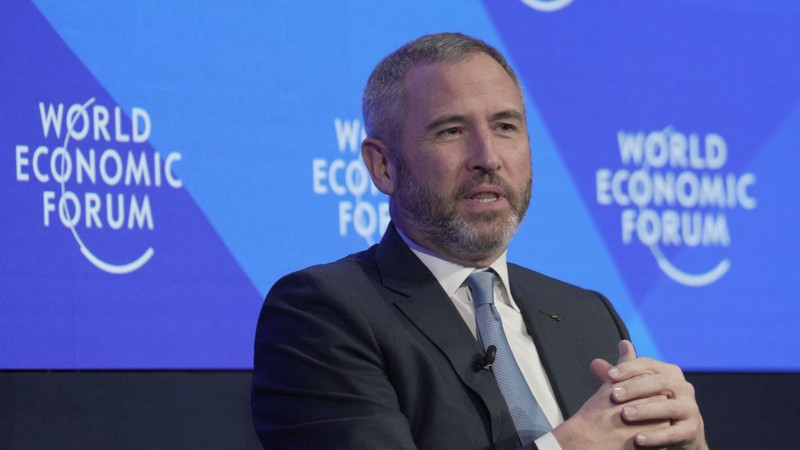
The World Economic Forum’s annual gathering in Davos didn’t treat crypto like a fringe experiment or a buzzword for the sidelines. In 2026, digital assets were woven into the fabric of mainstream finance discussions, with dedicated sessions, public clashes, and real institutional debate. What stood out wasn’t hype about price charts but serious questions about how blockchain, stablecoins, and tokenization might actually function inside global financial markets.
The forum still had the usual Davos theatrics: world leaders, geopolitical angst, and even some absurd headlines. But under that backdrop, crypto’s presence felt more substantive than symbolic.
Dedicated Sessions for Crypto’s Practical Questions
This year’s agenda included two clearly labeled sessions that would have been unthinkable just a few years ago. One was titled “Is Tokenization the Future?” and another “Where Are We on Stablecoins?” These weren’t happy-talk panels. They featured heavy hitters from both the crypto world and traditional finance, and the exchanges got frank and occasionally tense.
In the tokenization session, the debate wasn’t about whether tokenization mattered, but how to make it work in real markets. Executives from leading exchanges and tokenization platforms shared the stage with regulators and central bank representatives. Banks and custodians talked about technical issues like governance, custody, and interoperability. The message from financial incumbents was cautious but clear: tokenization is interesting, but it has to fit into existing market infrastructure with clear rules and risk controls.
Stablecoins got their own moment too. The session on stablecoins drew some of the biggest names in crypto alongside central bankers and global settlement experts. One of the most explosive moments came when industry CEOs pushed back against regulators on whether stablecoins should be allowed to pay yield to holders. That argument went far beyond textbook economics. On stage, executives argued that interest-bearing stablecoins were essential for consumer utility and global competitiveness, while some central bankers warned that yields could undermine banking systems and monetary sovereignty. Those side conversations revealed just how uneasy regulators still are, even when they acknowledge stablecoins’ potential as settlement rails.
These discussions reflected a broader shift. The question at Davos was no longer whether digital assets belong in the financial system, but how they should be regulated, engineered, and governed if they are going to be part of the future of payments, markets, and enterprise infrastructure.
Tokenization Takes the Spotlight
Out in the corridors and at side events, almost every conversation came back to one theme: tokenization of real-world assets. Whether you were talking to a sovereign wealth fund advisor or a fintech CEO, the framing was similar. Crypto tech is moving past speculation and into something that could materially change liquidity and access in global finance.
The story from a range of institutional participants was that tokenization is no longer an academic idea. There are live projects tokenizing government bonds and traditional funds, and institutional settlement firms are piloting systems that blend blockchain principles with existing financial rails. The buzz was not about replacing banks but about layering new capabilities on top of old systems in ways that reduce friction and increase transparency.
One telling difference this year was that tokenization was discussed in terms of liquidity and fractional ownership, not volatility. That shows where the conversation has matured: from digital assets as a wild bet to digital assets as potential plumbing for capital markets.
Stablecoins, Regulation, and Real Debate
The stablecoin panel was one of the most watched crypto moments in Davos. People crowded into the room not for price predictions but for substance. Here you had exchange CEOs, stablecoin issuers, and veteran regulators hashing out definitions, safeguards, and the practical role stablecoins could play in cross-border settlement.
One point that came up repeatedly was that stablecoins could act as a connective layer between traditional finance and digital markets. Advocates painted a picture where businesses run treasury operations using stablecoins, and global money movement gets more efficient as a result. Critics, especially from central banking circles, countered that allowing stablecoins to pay competitive yields could disrupt bank deposits and challenge monetary policy levers.
That tension came out in specific debates on policy design. Industry representatives argued for clearer frameworks that enable innovation while protecting holders and financial stability. Regulators struck back with questions about reserve requirements, audit regimes, and who ultimately backs these digital dollars.
This was not Davos speak for broader audiences. The conversation was technical, at times dry, and realistic about where the risks and opportunities lie.
Crossroads Between Crypto and Geopolitics
Crypto at Davos didn’t exist in a vacuum. It was wrapped into broader threads of geopolitical competition and economic strategy. Several high-profile talks touched on how digital finance intersects with national priorities. Leaders from the United States framed crypto engagement as part of broader global competitiveness. European regulators emphasized monetary sovereignty and financial stability in ways that indirectly questioned unfettered digital asset growth. These differing philosophies underscored how regulatory fragmentation is almost guaranteed for now.
You could see it play out in individual exchanges between CEOs and policymakers. Some firms pushed the narrative that restrictive rules in one region would push innovation offshore. Others pushed back, saying that control and trust are prerequisites for large institutional adoption.
Institutional Players, Not Just Crypto Natives
What was remarkable at Davos this year was how many traditional institutions turned up with real substance on digital assets, not just lip service. Big banks, settlement providers, and regulators were on panels alongside crypto founders. Conversations about custody solutions, compliance tools, interoperability standards, and governance models were not niche; they were mainstream finance topics with crypto elements built into them.
Some of the most detailed sessions focused on technical integration questions, including how blockchain standards could interoperate with legal and compliance frameworks around the world. That kind of discussion would have felt out of place at Davos only a few years ago.
What This All Means for Crypto’s Place in Finance Today
Out of Davos 2026 comes a clear message: crypto is no longer an outsider in global finance. There’s still enormous disagreement about details. Regulators worry, technologists dream, and institutions hedge. But the conversation has shifted toward execution and integration, not justification.
Crypto is being talked about not for short-term price moves but for what it could mean for settlement, liquidity, cross-border flows, and asset ownership structures going forward. The debates were real, messy, and imperfect, but they were also grounded and practical in a way they hadn’t been before.
For the crypto world, that is a much bigger step forward than any headline about price or bull markets. Davos has made clear that digital assets are now a topic global leaders feel they have to wrestle with, seriously and directly. The question now is not whether crypto belongs in the future of finance. It is how that future gets built, who shapes it, and where the regulatory guardrails ultimately land.