How US Crypto Regulation Changed in 2025 and What Comes Next
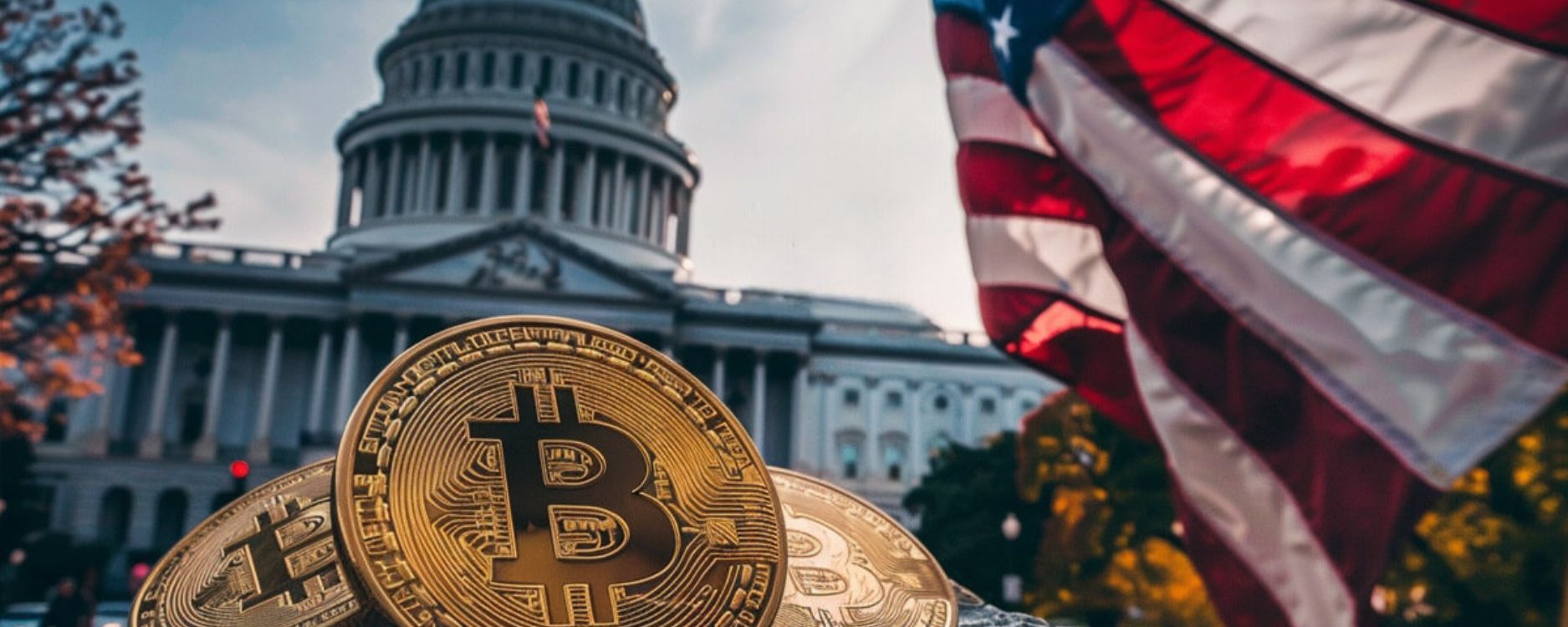
For years, crypto regulation in the United States felt stuck in a loop. Regulators argued over definitions. Courts weighed in after the fact. Companies tried to guess how existing rules might be applied to new technology. Progress was slow, uneven, and often reactive.
In 2025, something changed.
Instead of debating what crypto is, lawmakers and regulators began focusing on how crypto markets actually function. The shift was not loud or dramatic, but it was meaningful. And it made 2025 one of the most consequential years for U.S. crypto regulation so far.
From Debate to Infrastructure
The defining feature of crypto regulation in 2025 was its practicality.
Regulators spent the year tackling questions that are not especially flashy but matter enormously for market growth. Who is allowed to issue a digital dollar. What backs a stablecoin in real terms. How quickly exchange traded products can be approved. What custody looks like when ownership is defined by control of a private key.
These are not philosophical debates. They are infrastructure decisions. And infrastructure is what determines whether a market stays niche or becomes part of the financial system.
That shift did not mean regulators became more permissive. It meant they became more operational.
A Fragmented System, With Clearer Edges
The U.S. regulatory structure remains fragmented. Congress sets the legal framework, but oversight is split across agencies.
- The Securities and Exchange Commission oversees securities markets.
- The Commodity Futures Trading Commission regulates commodities and derivatives.
- The Internal Revenue Service governs tax treatment.
- Banking regulators supervise insured institutions and their subsidiaries.
That structure did not change in 2025. A single digital asset can still fall under multiple regimes depending on how it is traded, marketed, custodied, or used.
What did change is that the parts of crypto that intersect most directly with traditional finance began to get clearer boundaries and processes.
Stablecoins Became a Federal Issue
The most significant development of the year was the passage of the GENIUS Act, which established the first federal framework for payment stablecoins in the United States.
Before this law, stablecoins largely operated under state level money transmission rules or informal regulatory expectations. Issuers relied on disclosures and attestations. Banks stayed cautious, unsure how supervisors might view their involvement.
The new framework set expectations around who can issue payment stablecoins, how reserves must be held, and how redemption works under supervision. In practical terms, it began to treat stablecoins less like an experiment and more like financial infrastructure.
That matters because stablecoins sit at the center of crypto trading, payments, and settlement. Clear federal rules make it easier for banks and regulated firms to engage without risking regulatory surprises.
Investment Products Got More Predictable
Crypto investment products also moved forward.
The SEC approved generic listing standards for certain commodity based trust products. That change reduced the need for one off negotiations for every new exchange traded product and made approval timelines more predictable.
Predictability may not generate headlines, but it changes behavior. It lowers legal costs, shortens timelines, and makes firms more willing to launch products beyond the most obvious ones. It also makes advisers and institutions more comfortable allocating capital through standardized structures.
Tax treatment improved as well. The IRS introduced a staking safe harbor for certain trust structures, allowing proof of stake assets to generate yield without automatically breaking tax classification. That adjustment brought tax rules closer to how these networks actually operate.
Custody Finally Moved Into Focus
Custody has long been one of crypto’s most difficult issues.
Traditional finance is built around regulated custodians, clear chains of control, and established customer protection rules. Crypto does not fit neatly into that model, since control is defined by private keys rather than physical possession or centralized records.
In late 2025, regulators began addressing this gap more directly. The SEC provided guidance on how broker dealers should approach custody of crypto asset securities. Banking regulators outlined how institutions could apply to issue stablecoins through supervised subsidiaries.
These steps did not eliminate complexity, but they replaced ambiguity with process. In regulated markets, that distinction is crucial.
What Was Left Unfinished
Not everything was resolved.
The largest unresolved issue remains market structure, particularly the line between SEC and CFTC jurisdiction. The Digital Asset Market Clarity Act advanced in Congress but did not become law in 2025. That uncertainty continues to influence how companies list tokens and design compliance programs.
Still, the fact that market structure legislation remained active suggests the debate has moved from whether crypto should be regulated to how best to finish the framework.
Why 2025 Mattered
Most of the regulatory changes in 2025 were not about enforcement actions or penalties. They were about building rules that allow institutions to participate without improvisation.
Stablecoins gained a federal framework. Investment products became more standardized. Custody moved closer to supervision rather than theory.
Taken together, these steps made crypto look less like a legal edge case and more like emerging financial infrastructure.
Looking Ahead
If 2025 was about laying groundwork, 2026 will be about implementation.
The next phase will involve rulemaking, supervision, and real world deployment. Stablecoin issuers will apply for licenses. Banks will test new payment rails. Product sponsors will launch under clearer standards.
The momentum from 2025 created something the U.S. crypto market has lacked for years: a sense that the rules, while still evolving, are becoming legible.
That may not satisfy everyone. But for a market that thrives on scale, clarity is often more valuable than certainty.
Where the Conversation Continues
For anyone trying to understand where crypto regulation and policy are actually headed, these conversations are no longer abstract. They are happening in real time, often face to face.
That is part of what makes Rare Evo stand out.
Rare Evo takes place July 28-31, 2026, in Las Vegas at The ARIA Resort & Casino, and has become one of the premier industry event where regulators, policymakers, and blockchain builders share the same room. It is not just a conference about price action or product launches. It is a place to hear directly from the people shaping policy, alongside the teams building the technology those policies will govern.
Panels and discussions at Rare Evo tend to focus on how regulation works in practice, what regulators are actually thinking, and how the industry can engage constructively rather than reactively. For anyone serious about long term adoption, it is one of the more valuable rooms to be in.
You can learn more about the event and purchase tickets at https://rareevo.io/buy-tickets
Alongside that conversation is the role of Rare PAC.
Rare PAC focuses on supporting policymakers who understand digital assets and who are willing to engage seriously with the work of building clear, workable rules in the United States. It is not about opposing regulation. It is about avoiding regulation by confusion or enforcement after the fact.
As 2026 approaches, the progress made in 2025 will only matter if it is protected and extended. That requires continued participation, education, and engagement from people who care about the future of crypto in the US.
For those interested in learning more or getting involved, information is available at https://rarepac.io
If 2025 was the year crypto regulation became practical, the next phase will depend on whether that momentum is carried forward. Conversations like the ones at Rare Evo, and efforts like Rare PAC, are part of how that happens.