#NFTs
Binance NFT Marketplace Is Shutting Down

Binance is winding down its centralized non-fungible token (NFT) platform and has instructed users to move their NFT assets before July 3, 2026.
Although the shutdown was framed as an "upgrade" by the exchange, users have been urged to transfer their NFT assets from the Binance NFT marketplace to the Binance Wallet, which the exchange says will now support NFT custody.

Users holding transferable NFT assets have been given one month's notice, until July 3, 2026, to move their NFTs to either their Binance Wallet or any other compatible wallet of their choice, or risk losing access to any NFTs that remain unwithdrawn.
As for users holding non-transferable NFTs, those assets will neither be withdrawable nor transferable because they were originally coded to prevent withdrawal and transfer. However, Binance said through Binance Academy that it will issue PDF certificates to users who have completed courses on the Binance Academy platform.
To facilitate the prompt withdrawal of NFTs from its marketplace, Binance said it will reimburse 1 USDC to up to 100,000 users withdrawing general NFTs from the platform. The 1 USDC reimbursement represents the estimated cost of withdrawing a single NFT. For users holding CR7-themed NFTs, Binance said it will refund the full withdrawal fees.
Declining NFT Market
The NFT market has experienced a dramatic decline in recent years, falling sharply from its 2021 and 2022 peaks. At its height, the market was valued at an estimated $17 billion to $24 billion, with monthly trading volume surpassing $4 billion.
However, market conditions have changed significantly, and the sector has fallen to historic lows. The global NFT market is currently valued at approximately $1.5 billion, representing a decline of more than 90% from its 2022 peak. Monthly trading volume has also dropped substantially and now ranges between roughly $400 million and $720 million, well below the peak level of more than $4 billion recorded in 2022.
Several NFT platforms, including Magic Eden, X2Y2, Zora, and Nifty Gateway, have either scaled back parts of their operations, significantly reduced their activity, or shifted their focus away from the NFT market, citing the sector's prolonged downturn.
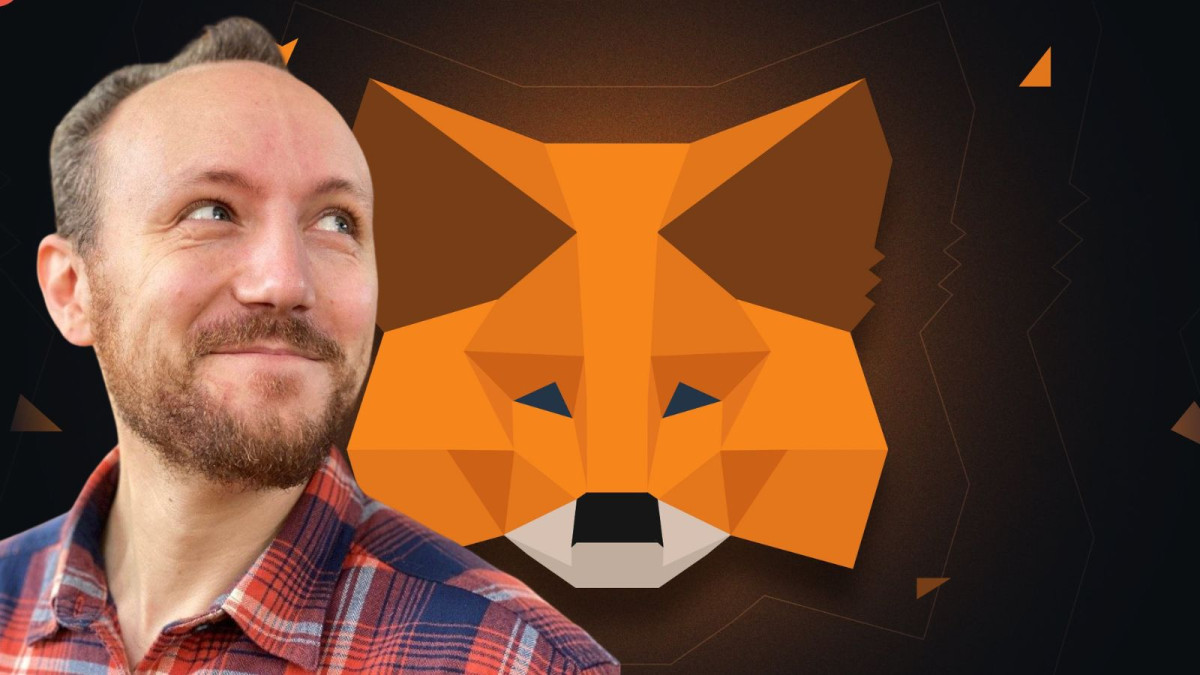
MetaMask Cofounder Dan Finlay Leaves Consensys

MetaMask cofounder Dan Finlay has left Consensys after spending about a decade working with the self-custodial wallet firm.
Finlay announced his departure from Consensys in a Thursday post on X, citing burnout and the need to spend more time with his family. He also wished the Consensys team well, saying the team has an amazing road ahead of them.

Since joining Consensys in 2016, Dan Finlay, alongside cofounder Aaron Davis, worked hand in hand on the development of MetaMask, Consensys’s self-custodial wallet. Finlay played an instrumental role in shaping MetaMask, transforming it from a browser-based Ethereum wallet into one of the mainstream crypto wallets, enabling access to decentralized finance (DeFi), non-fungible tokens (NFTs), and many other on-chain services.
Finlay was also key in the design and creation of some of MetaMask’s technical features, including Snaps, a MetaMask feature that allows third-party developers to safely extend MetaMask’s capabilities. Some of the capabilities added through Snaps include the ability to explore other blockchains such as Bitcoin, Solana, and Cosmos, as well as improved security features and the ability to receive warnings about malicious transactions occurring within a MetaMask wallet.
On his last day at Consensys, Finlay highlighted the launch of Advanced Permissions, ERC-7715, stating that he was over the moon regarding its launch. Advanced Permissions is a feature that allows decentralized applications to request pre-approved permissions from a MetaMask user to execute transactions on their behalf.
With this Advanced Permissions ERC-7715 feature, a user can activate or grant a particular request in their MetaMask wallet without having to manually approve it repeatedly.
Voluntary Exits Not Uncommon Among Crypto Founders
Like Dan Finlay, it is not uncommon to see crypto founders voluntarily step away from work to focus on other important aspects of life, especially their families.
On the same day Finlay announced his exit from ConsenSys, Bitcoin advocate and podcaster Preston Pysh announced that he was stepping away from public work and social media to focus on his wife and children.
Earlier this month, Ethereum researcher Josh Stark announced his departure from the Ethereum Foundation after spending five years there. According to an X post, Stark said he was stepping away from work to focus more on his family and friends.
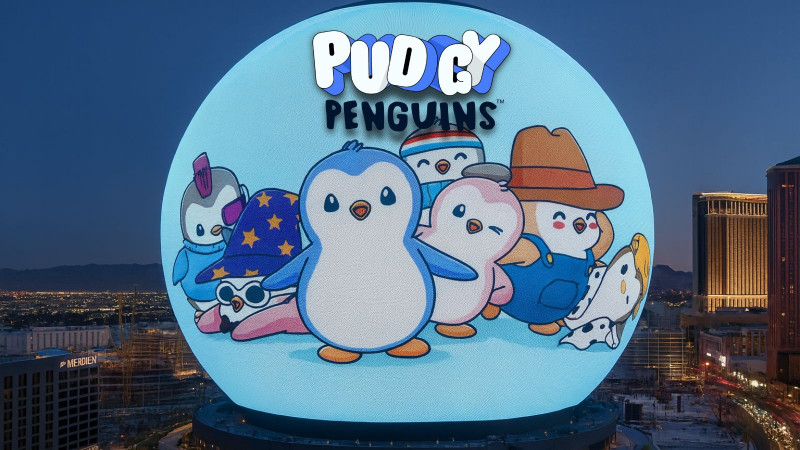
Pudgy Penguins Take Over Las Vegas Sphere in Holiday Campaign
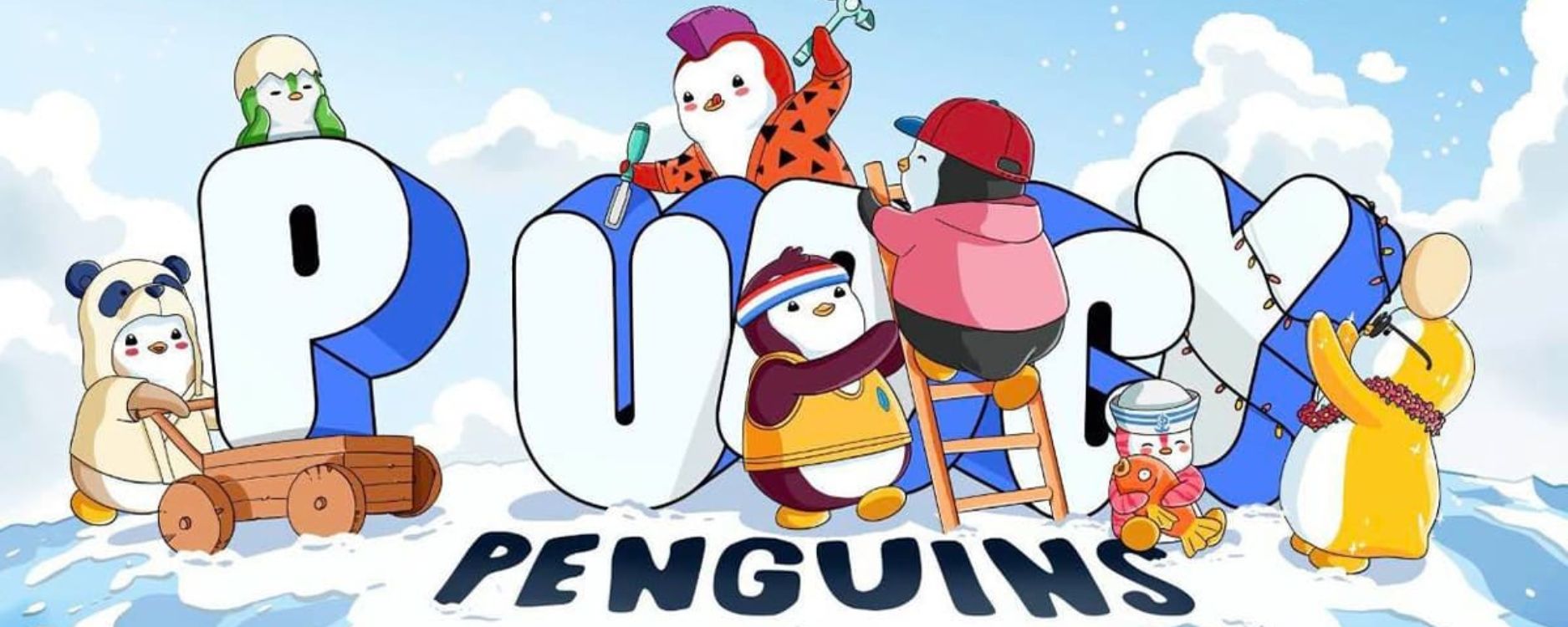
Pudgy Penguins, one of the most recognizable NFT brands to survive the highs and lows of the last crypto cycle, is stepping into the mainstream in a very visible way this holiday season. The project announced that its penguin characters are taking over the Las Vegas Sphere as part of a festive campaign, placing a Web3-born brand on one of the most technologically advanced and attention-grabbing displays in the world. For anyone who remembers Pudgy Penguins as just a collection of profile pictures traded on NFT marketplaces, the moment feels almost surreal.
The Las Vegas Sphere is not a typical advertising venue. It dominates the skyline, wraps content around a massive curved LED surface, and draws the attention of millions of visitors every year. Seeing animated Pudgy Penguins projected across it during the holidays pushes the brand far beyond crypto-native spaces and directly into pop culture. There is no wallet connect, no explanation of blockchain mechanics, and no attempt to sell NFTs on the spot. It is simply characters, personality, and visibility, which is very much the point.
This move reflects how Pudgy Penguins has been evolving over the past few years. While many NFT projects struggled or disappeared during the market downturn, Pudgy Penguins leaned hard into brand building. The team focused on turning the penguins into recognizable intellectual property rather than relying solely on speculative trading. Physical products, retail distribution, and now large-scale public campaigns all signal a strategy that looks closer to traditional consumer brands than most Web3 projects have ever attempted. The huge news was announced via the Pudgy Penguin X account on Saturday.
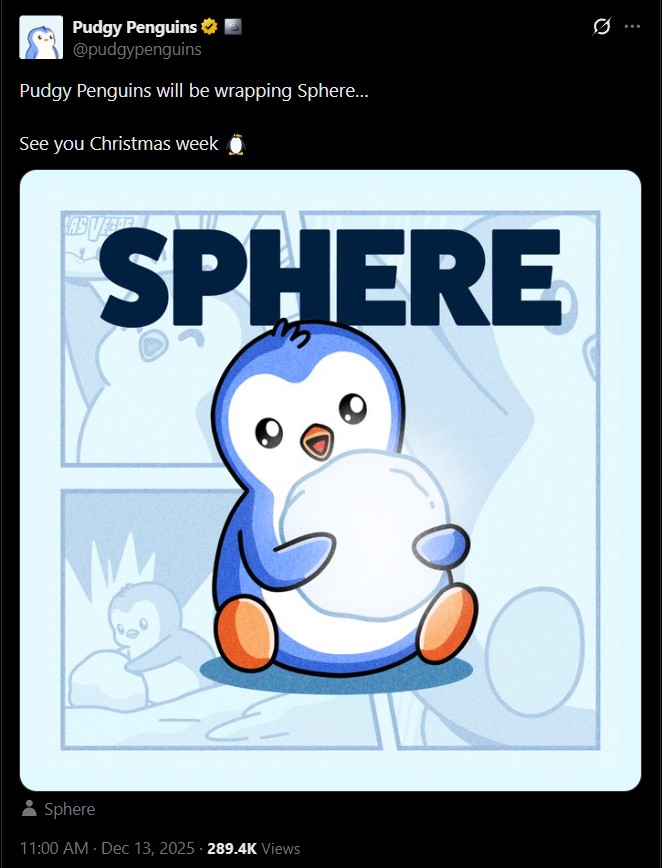
What makes the Sphere campaign stand out is its timing and tone. It is happening during the holidays, a period when Las Vegas is packed and when brands compete for emotional resonance rather than pure attention. Pudgy Penguins fits naturally into that environment. The characters are friendly, playful, and instantly understandable, even to people who have never heard the term NFT. That accessibility has always been part of the project’s appeal, and it translates well to a mainstream audience.
There is also a broader signal here for the NFT industry. For years, success in the space was measured largely by floor prices, trading volume, and online hype cycles. Pudgy Penguins taking over the Sphere suggests a different metric entirely: cultural presence. Instead of asking how many tokens were sold, the question becomes how many people recognize the brand, smile at it, or remember it later. That kind of visibility is difficult to quantify but hard to ignore.
Not everyone will see the Sphere takeover as a turning point. Some will dismiss it as flashy marketing or a costly stunt. But it is difficult to argue that it does not represent ambition. Few NFT projects have attempted something this public, this bold, and this disconnected from crypto insider culture. Pudgy Penguins appears to be betting that long-term relevance comes from being seen, not just traded.
As the holiday visuals light up the Las Vegas skyline, the announcement lands as both a celebration and a statement. Pudgy Penguins is not trying to be just an NFT collection anymore. It is trying to be a brand that exists comfortably in the real world, alongside traditional entertainment and consumer IP. Whether others follow the same path remains to be seen, but for now, the penguins have claimed one of the biggest screens on the planet, and that alone says a lot about how far this corner of Web3 has come.
Stay Connected

You can stay up to date on all News, Events, and Marketing of Rare Network, including Rare Evo: America’s Premier Blockchain Conference, happening July 28th-31st, 2026 at The ARIA Resort & Casino, by following our socials on X, LinkedIn, and YouTube.

Cardano SDK for Unreal Engine 5 Is Now Live and Free to Use
Cardano SDK for Unreal Engine 5 Is Now Live and Free to Use
Flux Point Studios has officially released the Cardano SDK for Unreal Engine 5, giving developers the tools to merge blockchain technology with high-end gaming. The new software development kit brings native support for ADA payments, NFTs, wallet connections, and on-chain interactions directly into Unreal Engine 5. Even better, it is completely free to use.
This release marks a major milestone for both Cardano and the broader Web3 gaming ecosystem, offering a fast, secure, and accessible way for developers to build games that integrate real ownership and digital economies.
A New Era of Game Development on Cardano
The SDK allows Unreal Engine developers to easily plug blockchain functionality into their games without the need for complex code or external infrastructure. Teams can connect Cardano wallets, process ADA payments, mint and transfer NFTs, and build full in-game economies with just a few simple integrations.
Flux Point Studios designed the SDK to be fully compatible with Unreal Engine 5’s most powerful features. Developers can now build visually stunning, AAA-quality experiences with built-in Web3 functionality. It bridges the gap between next-generation visuals and real blockchain ownership.
Key Features for Developers
ADA and Wallet Integration
The SDK lets players use their ADA wallets directly inside the game, allowing for seamless payments, asset transfers, and wallet logins.
NFT Creation and Ownership
Developers can mint and manage Cardano NFTs that represent in-game assets such as skins, weapons, or collectibles. Players gain true ownership of their digital items, which they can trade or sell freely.
Easy Setup and Full Documentation
The SDK includes complete Unreal Engine integration and user-friendly documentation. Developers can start testing blockchain features in minutes, using either Cardano’s test network or mainnet.
Community Alignment
Flux Point Studios is introducing a community-driven approach that ensures the SDK’s success benefits Cardano’s growth. The goal is to give more power to developers while strengthening Cardano’s presence in the gaming space.
Why This Release Matters
This launch is more than a technical update. It represents a real step forward for Web3 gaming adoption and a proof of concept for Cardano’s potential in mainstream game development. Until now, integrating blockchain into major game engines often required complex backend work. The new SDK removes those barriers, allowing creators to focus on gameplay, design, and storytelling while still taking advantage of blockchain utility.
The integration of Cardano with Unreal Engine 5 also strengthens the network’s reputation as a developer-friendly, energy-efficient, and scalable platform. It places Cardano among the top blockchain ecosystems pushing gaming innovation forward.
The Future of Gaming on Cardano
With the SDK now live, attention will shift toward early adopters and studios that start using it to build interactive worlds. These projects will define what blockchain gaming can become when advanced technology meets creativity.
This launch signals the beginning of a new era in gaming, one where players own their assets, creators earn directly from their communities, and games evolve into living economies rather than closed systems.
The combination of Unreal Engine 5’s power and Cardano’s efficiency opens the door for immersive worlds with real-world value and cross-platform interoperability.
Final Thoughts
Flux Point Studios’ release of the free Cardano SDK for Unreal Engine 5 is a landmark moment for developers everywhere. It levels the playing field, gives creators direct access to powerful blockchain tools, and reinforces Cardano’s position as a developer-first ecosystem.
For studios, this is an opportunity to join the next generation of gaming where blockchain meets cinematic-quality experiences. For players, it is a glimpse into the future of true digital ownership and innovation.
The boundary between traditional and blockchain gaming just disappeared, and Cardano is now leading the charge. You can download the SDK at https://fluxpointstudios.com/cardano-ue-sdk.
Big Pivot for OpenSea: From NFT Marketplace to Multi-Chain Trading Hub
OpenSea is quietly undergoing one of the most radical reinventions in the crypto space. Once the dominant name for buying and selling NFTs, it’s now repositioning itself as a full multi-chain crypto trading hub — bridging tokens, NFTs, and blockchains in one evolving platform.
Here’s how this shift is playing out, why it matters, and what’s driving it.
The Core Shift: Why OpenSea Is Changing Course
Slumping NFT Volume & Market Pressures
In the past few years, the NFT boom cooled dramatically. OpenSea’s revenues and volume shrank, and the marketplace found itself under pressure as specialized rivals like Blur emerged, often with zero fees or different royalty models.
To stabilize, OpenSea chose to broaden its scope. The pivot is not just a rebrand — it’s a strategic necessity.
The Multi-Chain Bet & OS2 Platform
One of the central pillars of OpenSea’s transformation is OS2, its upgraded platform. OS2 introduces cross-chain support (reportedly spanning 14 to 19 blockchains) and unifies functionality so users can:
-
Trade NFTs on different chains
-
Swap fungible tokens
-
Bridge assets across ecosystems
This expansion is designed to make OpenSea less dependent on the NFT market and more central to the wider crypto economy. (See news of OS2’s cross-chain rollout and token-trading integration.)
From NFTs Toward Tokens & DeFi
OpenSea’s ambitions stretch beyond collectibles. The leadership has openly discussed building an “on-chain everything app” — combining NFTs, token trading, DeFi elements, and perhaps even AI-driven features.
They’re also integrating new mobile experiences and acquiring token trading platforms to accelerate that direction.
Evidence of Early Success & Market Signals
Regaining Traction in NFT Markets
Even as the NFT space softens, OpenSea is reclaiming leadership. It now commands over 40% of NFT trading volume across the market, thanks in part to reduced fees and stronger multi-chain support. Many users are returning.
That momentum suggests the transition isn’t just theoretical — people are responding.
Regulatory Clouds Lifting
One major hurdle has been regulatory risk. OpenSea once received a Wells notice from the SEC, indicating potential enforcement action related to NFT trading.
However, more recently, the SEC closed its investigation and declined to pursue charges — a move that many in the industry see as a positive signal for the broader NFT sector.
That regulatory clarity gives OpenSea more breathing room to innovate and expand.
Challenges & Risks on the New Path
-
Competition is fierce — rivals like Blur, Magic Eden, and specialized chain-native platforms will intensify the battle for users and liquidity.
-
User mindset shift — convincing NFT-focused users to switch to a more token and trading-oriented platform may be a cultural hurdle.
-
Technical complexity — operating across many blockchains introduces latency, security, and integration challenges.
-
Fee & revenue rework — OpenSea must balance attracting users with sustainable monetization, especially if fees are kept low.
-
Regulatory shifts — just because one SEC case closed doesn’t guarantee future safety; crypto regulation remains unpredictable.
Why This Reinvention Matters
If OpenSea’s gamble succeeds, it could become a central “layer” in crypto, sitting between users and the web of blockchains — a hub for assets of all kinds. Instead of being pigeonholed as an NFT marketplace, it might become a go-to interface for token trading, cross-chain swaps, and multi-chain asset management.
That would shift how people view OpenSea: from a niche collectibles site to a cornerstone of digital asset infrastructure.