#Crypto Crime

Attempted Kidnapping Targets Sandbox Co-Founder’s Wife

The wife of Sébastien Borget, co-founder and chief operating officer of The Sandbox, an Ethereum-based virtual world platform, reportedly narrowly escaped being kidnapped at the couple’s home in Villenoy, Seine-et-Marne, France, this week.
According to Le Journal du Dimanche, a local French newspaper, one of the kidnappers disguised as a deliveryman wearing a branded vest, knocked on the couple’s home.
On opening the gate, five other hooded accomplices charged at Borget’s wife in an attempt to forcefully drag her into a vehicle. However, her cries alerted neighbors, forcing the group to scatter and leave the victim behind.
Four suspects escaped in the vehicle, while two others fled on foot and hid nearby. The two suspects attempted to book a ride-hailing car but were later captured by officers from the Meaux Anti-Crime Brigade.
The two suspects arrested were identified as Mateo V. and Walid H., reportedly born in 2010 and 2009, respectively, and are both residents of Pantin in Seine-Saint-Denis. They were found carrying a fake handgun, zip tie restraints, and balaclavas.
While investigations are ongoing, local news reports have linked the attempted kidnapping to cryptocurrencies, citing an increase in crypto-related wrench attacks and kidnapping incidents reported this year.
France Remains a Hotspot for Crypto Wrench Attacks
There has been an increase in attacks on crypto holders, with France leading and becoming the global epicenter.
In just the first four months of this year, between 41 and 47 incidents were reported in France, an average of one incident every 2.5 days. The French authorities have also charged 88 suspects, including more than 10 minors, across 12 major investigations, with 75 in pretrial detention.
Jameson Lopp, cofounder and chief security officer of Casa, a well-known blockchain security company, has long been tracking these crypto-wrench attacks in a GitHub repository named "physical bitcoin attacks." According to the repository, there have been about 35 recorded incidents this year, with France accounting for 74 percent of those, or 26 incidents in total.
To help combat the increasing number of wrench attacks, Binance recently added a withdrawal protection feature to the Binance wallet that activates a lockdown period, preventing withdrawals from the wallet, especially by intruders.

Binance Launches Wallet Lockdown Feature to Stop Wrench Attacks

Binance, the world’s largest cryptocurrency exchange, has just rolled out a new wallet feature to combat the rising cases of wrench attacks against crypto holders.
Announcing the launch of this feature, Binance wrote in a Monday blog post, “Most security advice you will read about crypto assumes that the threat is digital. Some of the main threats include malicious phishing links, imposter scams, SIM swaps, and compromised seed phrases, and the industry has built strong defenses against them.”
“But there is a category of risk that those defenses do not cover: physical coercion. These are situations where someone is pressured, in person, to move their own funds. Such cases are rare, but when they happen, the losses can be severe and irreversible.”
When activated, this new withdrawal protection feature blocks all on-chain withdrawals from a user's Binance account for a preset lockdown period, during which no one, not even the owner of the wallet, can move crypto assets out of the wallet.
The new withdrawal protection feature can be enabled from the settings section of the Binance wallet. While 48 hours is the default lockdown period, a user can choose to change this to anywhere between 1 and 7 days, depending on their preferences.

To enhance flexibility, Binance added a toggle feature that allows users to end the lockdown period early, especially in emergency cases when a user needs to move crypto assets from their wallet. It is also important to note that this feature only restricts withdrawals, thus users can still trade, hold positions, and carry out other in-wallet activities even when the withdrawal protection feature is enabled.
Crypto Wrench Attacks on the Rise
Crypto wrench attacks have steadily risen over the last few years. According to a CertiK report, there were 72 verified cases of physical attacks and coercion against crypto holders in 2025, an increase of nearly 71% from the 41 cases recorded the previous year, with losses amounting to over $41 million.
This year has not been an exception, as there have been several recorded cases of wrench attacks, with France being an epicenter of these attacks.
Just last month, a family of five in France was held captive by two men who invaded their home and extorted approximately €700,000 worth of cryptocurrencies.
In another attack in France, a mother and her son were kidnapped by four armed men who demanded about $471,000 for their release. The victims were held hostage for about 20 hours before they were eventually released, and the suspects were arrested by law enforcement officers.
FCA Raids Illegal P2P Crypto Trading Sites in UK

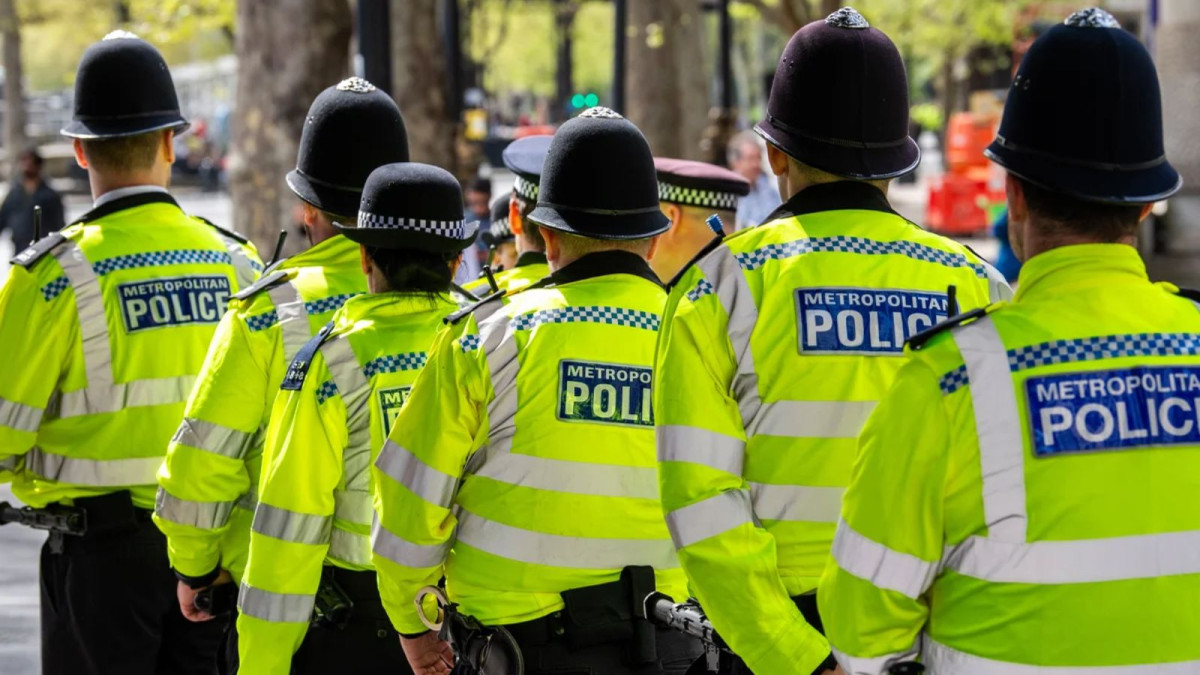
The United Kingdom’s Financial Conduct Authority (FCA) has raided multiple locations across the country, suspected of running illegal peer-to-peer crypto trading operations.
The raid, conducted by the UK’s Financial Conduct Authority, the country’s regulatory watchdog, in collaboration with HM Revenue and Customs (HMRC) and the South West Regional Organized Crime Unit (SWROCU), targeted eight locations suspected of facilitating illegal peer-to-peer crypto trading.

According to the FCA, cease and desist letters were issued to the platforms, ordering a halt to the illegal trading activity, and evidence supporting their suspicions and ongoing criminal investigations was gathered on-site during the raid.
Peer-to-peer (P2P) trading, which involves the buying and selling of crypto assets directly between individuals without the use of a centralized exchange, is illegal in the UK, as there are currently no FCA-registered P2P trading platforms in the country.
According to Steve Smart, executive director of enforcement and market oversight at the FCA, “Unregistered peer-to-peer crypto traders operating in the UK are doing so illegally and pose a financial crime risk. We will use our powers and work with partners to disrupt them.”
He added, “Consumers should protect themselves by only dealing with firms registered with the FCA and by remembering that crypto remains a high-risk investment.”
UK Takes Tough Stance on Illegal Crypto Operations
The UK authorities, in collaboration with law enforcement agencies, have intensified efforts over the past year to combat illegal cryptocurrency operations, cracking down on illicit crypto entities and their operators.
Earlier this month, the National Crime Agency (NCA), working with the cryptocurrency exchange Binance, launched Operation Atlantic, a crackdown targeting crypto phishing scammers. The operation led to the seizure of more than $12 million in suspected criminal proceeds, involving victims across the UK, the US, and Canada.
In February this year, the UK’s Financial Conduct Authority (FCA), in collaboration with the Metropolitan Police Service, seized more than £1 billion in cryptocurrencies from two individuals suspected of running an illegal cryptocurrency exchange. This follows legal action taken by the FCA approximately a year earlier against the cryptocurrency exchange HTX, when the regulator filed a civil lawsuit against the exchange over its unlawful financial promotions in the country.
Most recently, the FCA said in an X post that it is cracking down on influencers promoting illegal financial products that put consumers’ money at risk.

SBF Seeks New Trial in FTX Fraud Case

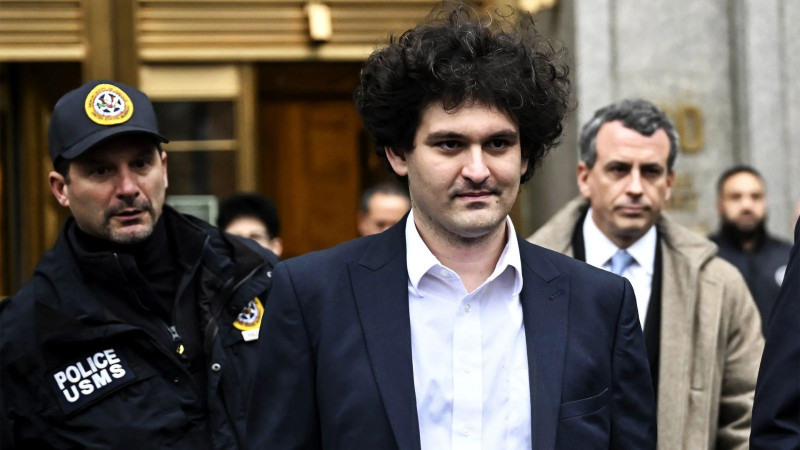
More than two years after FTX collapsed and reshaped the crypto industry, Sam Bankman-Fried is still fighting.
The former FTX CEO, now serving a 25 year federal prison sentence, has formally moved for a new trial in Manhattan federal court. The filing argues that key evidence was excluded, important testimony never reached the jury, and that the original proceedings did not present the full picture of what was happening inside the exchange before its implosion.
It is a long shot. But it keeps one of crypto’s biggest scandals squarely in the headlines.
A Quick Reset: How We Got Here
FTX was once valued at $32 billion and marketed itself as the responsible face of crypto trading. Bankman-Fried cultivated relationships in Washington, testified before Congress, and presented himself as a regulator-friendly industry leader.
That narrative unraveled in November 2022.
After a liquidity crunch exposed a multibillion-dollar hole in FTX’s balance sheet, the exchange halted withdrawals and filed for bankruptcy. Prosecutors later alleged that customer deposits were secretly routed to Alameda Research, Bankman-Fried’s trading firm, where the funds were used for speculative bets, venture investments, loans to executives, and political donations.
The case moved quickly. By late 2023, a jury found Bankman-Fried guilty on seven counts including wire fraud, securities fraud, and conspiracy. Several former executives, including Caroline Ellison and Nishad Singh, testified for the government. In 2024, Judge Lewis Kaplan sentenced him to 25 years in prison.
It was one of the most significant criminal convictions in crypto’s short history.
The Argument for a New Trial
Bankman-Fried’s latest filing hinges on a legal mechanism that allows courts to grant a new trial if newly discovered evidence could materially affect the verdict, or if there were serious procedural errors.
His motion makes a few central claims.
First, that certain testimony from former FTX and Alameda insiders was either excluded or not fully presented to the jury. According to the filing, that testimony could challenge the government’s portrayal of FTX as hopelessly insolvent and operating as a straightforward fraud.
Second, the defense argues that FTX’s collapse was more akin to a bank run than an inevitable implosion. In this telling, the exchange had assets and would have recovered if not for the sudden withdrawal panic that followed public reporting about its balance sheet. That argument goes directly to intent, which was central to the prosecution’s case.
Third, the motion questions the credibility of cooperating witnesses. Bankman-Fried claims some testimony evolved under government pressure and suggests that early statements made by insiders painted a more ambiguous picture of events than what jurors ultimately heard.
The filing also calls for Judge Kaplan to step aside from reviewing the request, alleging bias in evidentiary rulings during trial.
None of this is easy to prove. Courts rarely grant new trials once a conviction has been secured and upheld through sentencing. The legal threshold is high, particularly in complex financial cases where juries have already weighed extensive testimony.
The Broader Legal Strategy
The new trial motion is separate from Bankman-Fried’s ongoing appeal. That appeal focuses on whether the trial court made reversible legal errors, including limiting certain lines of defense.
Appeals courts typically give trial judges considerable leeway in managing evidence and courtroom procedure. Overturning a conviction requires demonstrating more than disagreement. It requires showing that errors materially affected the outcome.
For now, the new filing appears to be part of a layered strategy. Preserve every argument. Challenge every ruling. Keep procedural options open.
The Bottom Line
FTX’s collapse triggered one of the most severe credibility crises crypto has faced. Billions in customer assets were trapped. Venture capital firms wrote down massive stakes. Regulators in the U.S. and abroad accelerated enforcement and oversight efforts.
Even as the industry shifts toward ETF approvals, institutional adoption, and regulatory frameworks, the FTX saga remains a reference point. It is cited in congressional hearings, enforcement actions, and investor debates about custodial risk.
Bankman-Fried’s continued legal maneuvers keep the story alive, even if the odds of a successful retrial remain slim.
For many in crypto, the question is less about whether he gets a second trial and more about what the case ultimately represents. Was FTX an isolated failure of governance and internal controls, or proof that parts of the industry scaled too quickly without guardrails?
The courts will decide the narrow legal questions. The market, as always, is deciding the broader narrative in real time.
For now, one of crypto’s most infamous founders is still arguing that the story jurors heard was incomplete. Whether a judge agrees is another matter entirely.