#Agentic AI

Dunamu, Visa Strike Partnership on Stablecoins, Agentic AI Payments

Dunamu, the parent company of the South Korean cryptocurrency exchange Upbit, has entered into a strategic partnership with global payments company Visa to develop next generation stablecoin based payments and AI driven financial services.
The partnership, which was signed at Visa’s Global Market Support Center in San Francisco, USA, this Thursday in the presence of key figures from both companies, including Dunamu CEO Oh Kyung seok and Visa Global President Oliver Jenkyn, will leverage the existing infrastructure of both companies to create new stablecoin based payment and global remittance services.
According to Dunamu, the partnership will aim to ensure the secure and reliable use of digital assets and next generation payment technologies based on stability, transparency, interoperability, and regulatory compliance.
“The spread of AI, stablecoins, and tokenization is a key trend that will transform how finance and commerce operate,” said Oh Kyung seok, CEO of Dunamu. “Through collaboration with Visa, which has led global payments, we will connect digital assets with traditional finance and create a new global financial experience that users can truly experience.”
As part of the two companies’ initial exploration of stablecoins, the Open USD (OUSD) stablecoin will be further explored, including the potential expansion of its use cases across areas such as global remittances, payments, and settlements.
Over time, the partnership could expand to include the utilization and integration of AI for payments and other stablecoin based payment and settlement services, Dunamu said. It could also explore the use of AI in agentic commerce and the handling of certain user tasks, such as purchases and payments.
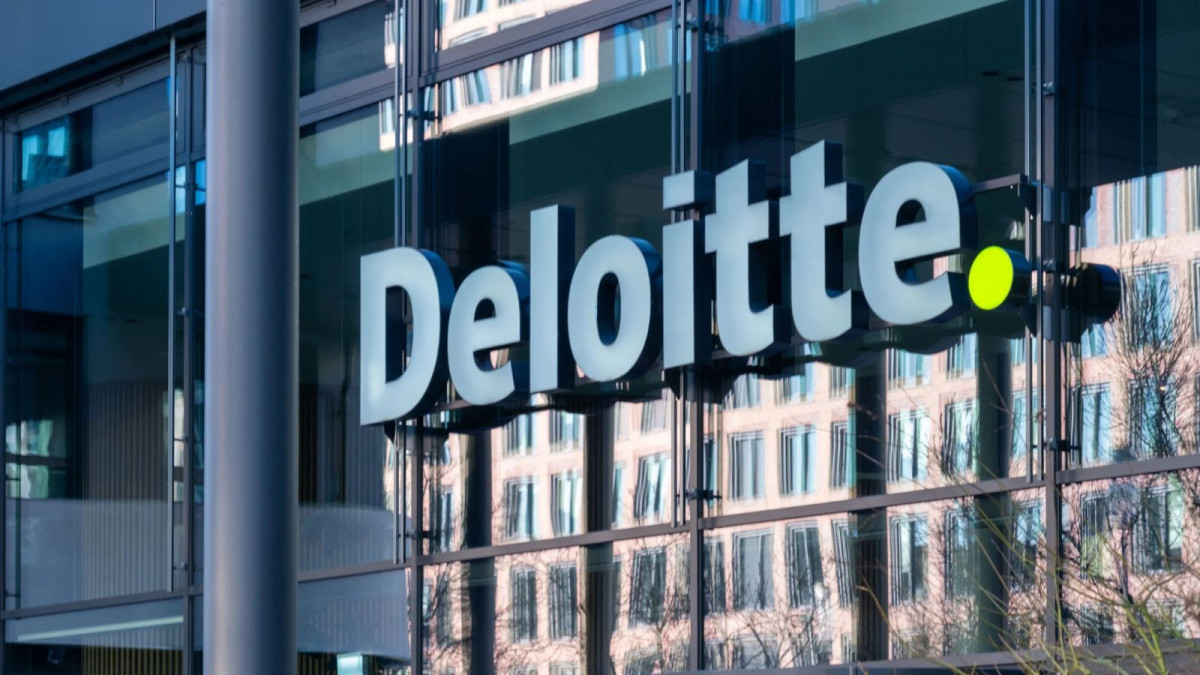
Deloitte Taps Blocknative Team to Advance Web3 and AI Strategy

Deloitte, one of the Big Four professional services firms, has acquired Blocknative, a crypto infrastructure company, in a talent acquisition deal following Blocknative’s plan to wind down its operations.
The acquisition is not a full company buyout but rather a transfer of Blocknative’s talent pool to Deloitte, with the former Blocknative team set to drive Web3 innovation across Deloitte’s client portfolio.

The move, according to Blocknative, is aimed at leveraging blockchain and cryptographic technology to address the trust, coordination, and verification problems that hinder enterprise adoption of agentic artificial intelligence, particularly as several traditional financial institutions, including JPMorgan, Goldman Sachs, and Morgan Stanley, develop their own agentic AI solutions.
“This chapter of our work in the ecosystem is coming to a close: on mempool visibility, transaction orchestration, block building, MEV auctions, private order flow, transaction pricing, and more,” said Matt Cutler, Blocknative founder and chief executive officer.
“That work was shaped by our customers, the protocol teams, wallet builders, researchers, and institutions who pushed for better answers.”
With Blocknative winding down its operations, the company has announced that it will shut down its application programming interface (API) services on June 19, 2026, alongside its gas network, which relies on the API. Teams and companies that depend on the Blocknative API have been advised to begin migration planning, including testing, swapping, and confirming operational readiness, before the June 19 deadline.
The shutdown of Blocknative comes amid a wave of crypto company closures over the past few months. The last quarter saw more than 20 crypto companies restructuring or shutting down due to declining market conditions, high operational costs, and strategic pivots toward artificial intelligence, including Dmail, Balancer Labs, Magic Eden, and Tally.
About Blocknative
Blocknative is a San Francisco-based blockchain infrastructure company that specializes in real-time observability and optimization tools for public blockchains, particularly Ethereum and other EVM-compatible Layer 1 and Layer 2 networks.
Before its planned shutdown, Blocknative had raised around 34 million dollars from investors and built a decentralized oracle gas network that provides real-time gas pricing data across more than 40 networks.
It has also served several notable blockchain companies, including the Ethereum Foundation, Curve Finance, and Tally.