#Safe Haven Assets
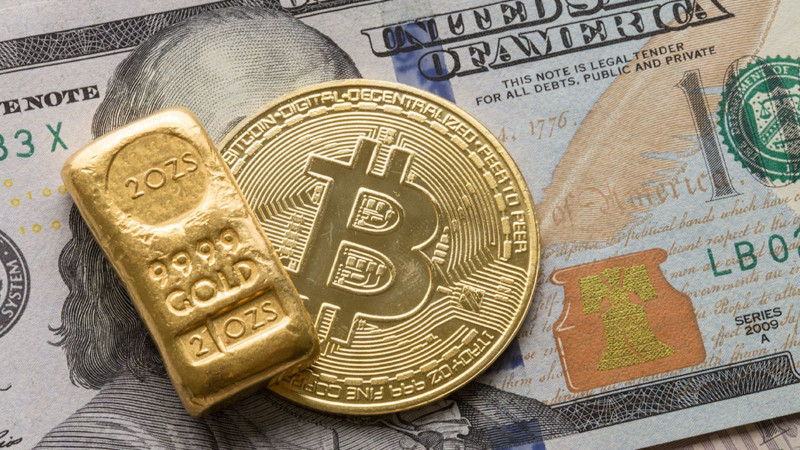
Bitcoin vs. Gold: Why the Yellow Metal is Soaring While ‘Digital Gold’ Stumbles And Why I’m Betting on Bitcoin’s Long Game

As a relatively new reporter in the financial space here in Cincinnati, I’m still learning the ropes of these massive markets every day. I’ve pored over charts, read analyst reports, and talked to people who live and breathe this work. The facts right now are clear: gold is on fire, while Bitcoin, often called “digital gold,” is lagging or even pulling back. Gold has surged past $5,000 per ounce amid global tensions and renewed safe-haven buying, while Bitcoin is hovering around $87,000 to $88,000 after dipping from recent highs near $98,000. It is tempting to think gold has won this round outright. But when I look deeper at the data and think about where we are headed, I cannot shake the feeling that Bitcoin is still the head of the future.
Let me break down the current picture using real data and major players, then explain why, as someone still green in this industry, I am leaning toward the digital side over the long term.
The Numbers Don’t Lie: Gold’s Dominance in Early 2026
Gold’s dominance in early 2026 has been unmistakable. As of January 26, 2026, spot gold is trading roughly between $5,067 and $5,100 per ounce, up about 1.6 percent on the day and nearly 85 percent from a year ago. It recently pushed past $5,100 as investors rushed into safe assets driven by geopolitical flashpoints, a weaker U.S. dollar, and continued central bank accumulation. Analysts at firms such as J.P. Morgan are projecting average prices near $5,055 by the fourth quarter of 2026, with more aggressive scenarios reaching $5,400 or even $6,000 if uncertainty remains elevated.
This surge is being driven by familiar forces. Demand for safe havens has intensified amid global risks, including tensions involving Venezuela, Iran, and broader macroeconomic stress. Central banks continue to purchase gold at a strong pace, and expectations for lower interest rates are making non-yielding assets like gold more attractive relative to bonds and cash.
Major mining companies are capitalizing on these conditions. Newmont Corp., the world’s largest gold producer, is benefiting from its diversified operations and has seen its shares rise alongside record prices. Barrick Gold continues to deliver strong output from its core assets, while Agnico Eagle is expanding in politically stable jurisdictions. The emphasis these companies place on operational efficiency and ESG-conscious production has helped attract institutional capital, reinforcing gold’s reputation as a reliable hedge in uncertain times.
Bitcoin’s Rough Patch: Stagnation Amid the Rally
Bitcoin, meanwhile, is struggling to keep pace. It is trading in the $87,000 to $88,000 range, down from highs near $98,000 earlier this month and well below its 2025 peak. Year-to-date performance has been flat to negative at times, and the Bitcoin-to-gold ratio has fallen to roughly 17 to 18, meaning one Bitcoin now buys significantly fewer ounces of gold than it did previously. Recent outflows from crypto-focused ETFs have added pressure, and Bitcoin has failed to capture the same fear-driven momentum that is powering gold’s rally.
Several factors are weighing on sentiment. Regulatory uncertainty and ongoing energy concerns remain unresolved, while broader macro resets are pushing investors toward traditional safe havens first. At the same time, profit-taking by early Bitcoin holders has contributed to selling pressure during rallies.
On the mining side, companies such as Marathon Digital and Riot Platforms are facing margin pressure from higher energy costs and the effects of the most recent halving. Some firms, including CleanSpark, are attempting to adapt by shifting portions of their operations toward AI-related infrastructure. Institutional backing through products like BlackRock’s Bitcoin ETFs has helped establish a price floor, but so far it has not been enough to spark a sustained breakout.
Ty’s Take: Gold Feels Safe Now, But Bitcoin Is the Future I’m Betting On
I will be upfront: I am new to covering this beat, and the data clearly shows that gold has been the winner so far in 2026. Its thousands of years of history as a store of value, its lower volatility, and its tangible demand during periods of turmoil make it feel especially solid when headlines are filled with uncertainty. From my desk in Cincinnati, where many investors favor steady and familiar assets, gold’s rally makes complete sense. Mining stocks such as Newmont and Barrick look like attractive options for those seeking exposure without extreme swings.
But here is where my gut...and what I have learned through deeper research, come into play. Bitcoin is not failing; it is moving through a cyclical pullback while gold does what it has always done best during risk-off environments. Bitcoin’s fixed supply of 21 million coins, expanding adoption, and potential as borderless, programmable money position it as an evolution in how value is stored and transferred. Gold has history on its side, but Bitcoin brings innovation, including growing institutional participation, the possibility of clearer regulation under current leadership, and continued improvements in efficiency and infrastructure. Forecasts for Bitcoin range from relatively conservative targets of $120,000 to $170,000 by year end, with much higher outcomes possible if momentum returns.
As someone still learning this industry, I see gold winning the short-term fear trade, while Bitcoin leads the longer-term shift toward digital assets. For investors building wealth over the next decade, allocating to both can make sense: gold for near-term stability through miners or ETFs, and a heavier tilt toward Bitcoin or its broader ecosystem for long-term growth. The facts show gold shining today, but the future, in my view, remains digital.