#Fannie Mae
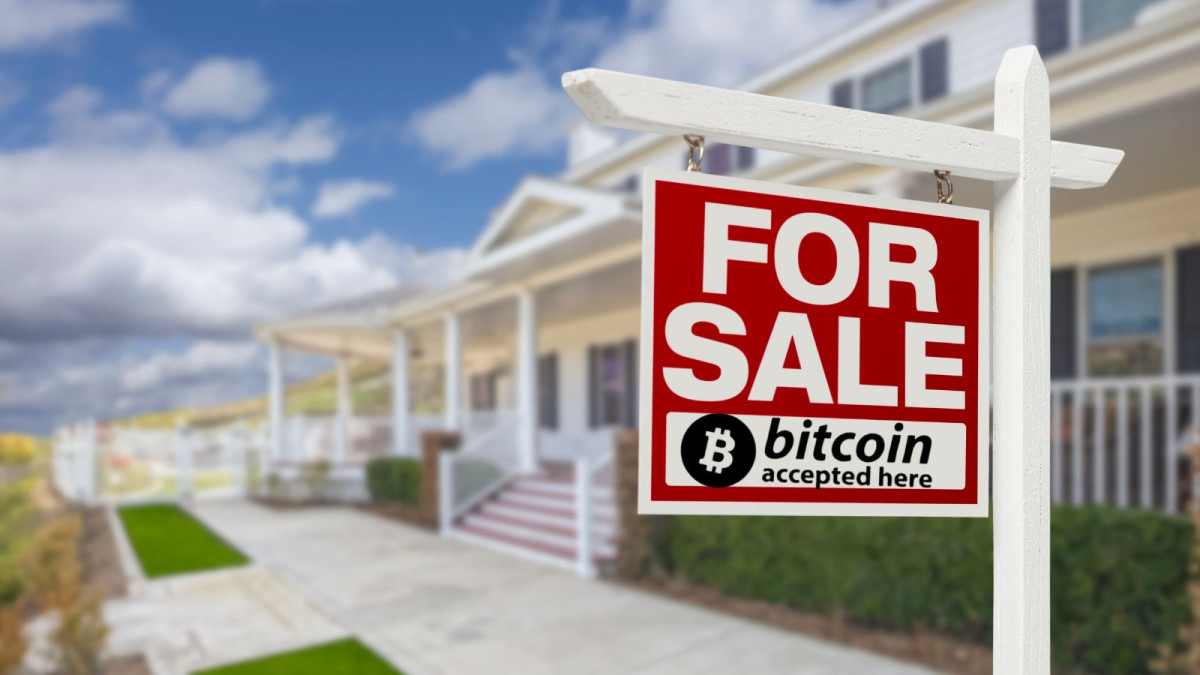
Coinbase and Fannie Mae Launch Crypto-Backed Mortgages

Coinbase and mortgage lender Better Home & Finance have announced a new product that lets prospective buyers use Bitcoin or USDC as collateral on a Fannie Mae-backed mortgage, without ever having to liquidate their holdings. It is, by most measures, the clearest sign yet that digital assets are finding their way into the mainstream and will be used as the machinery of American homeownership.
How It Will Work
Borrowers transfer their digital assets from Coinbase into a custody wallet held by Better, retaining legal ownership of the crypto throughout the life of the loan. The collateral sits there as a pledge, not a payment. For holders of USDC, Circle's dollar-pegged stablecoin, the arrangement even lets them keep earning yield on their holdings while those same assets secure the mortgage.
The rate premium is real, though. Borrowers should expect to pay 0.5 to 1.5 percentage points above a standard 30-year fixed loan, depending on their overall profile. Whether that spread feels worth it depends largely on how much a borrower values not triggering a taxable event by selling appreciated crypto positions. For long-term Bitcoin holders sitting on significant gains, the math can work out in their favor.
One of the more notable design choices here is the absence of margin calls. In most crypto lending products, a sharp price drop can trigger forced liquidation of collateral. This product is built differently. If Bitcoin falls 40% in a month, the terms of the mortgage do not change and no additional collateral is required. Liquidation risk only enters the picture after a 60-day payment delinquency, putting the structure firmly in line with how conventional mortgages work rather than how crypto lending typically operates. This matters a great deal for borrowers who have been burned by or are skeptical of DeFi-style collateral arrangements.
How Did We Get Here?
In June 2025, Federal Housing Finance Agency Director Bill Pulte issued a directive ordering Fannie Mae and Freddie Mac to prepare proposals for counting cryptocurrency as an asset in mortgage risk assessments, without requiring borrowers to first convert those holdings into dollars. The directive was framed explicitly around President Trump's stated goal of making the U.S. the crypto capital of the world. Pulte's letter specified that only crypto held on U.S.-regulated centralized exchanges would qualify, and he called for risk mitigants including valuation adjustments to account for volatility.
Until now, Fannie and Freddie's guidelines required that any cryptocurrency a borrower wanted to use for a down payment, closing costs, or reserves had to be liquidated into U.S. dollars first. The Coinbase-Better announcement marks the first time that framework has been operationalized into an actual product backed by Fannie Mae. Whether lenders across the broader market follow suit remains to be seen, as industry experts have cautioned that adoption will be gradual. Individual lenders may impose their own overlays, and aggregators who purchase loans will need to get comfortable with the structure before it becomes truly mainstream.
Coinbase and Better are not alone in seeing opportunity here. Newrez, one of the largest mortgage servicers in the country with roughly $778 billion in assets under management, announced late last year that it was assessing Bitcoin and Ethereum for mortgage qualification purposes. Bob Johnson, head of originations at Newrez, described the FHFA directive as a meaningful signal from Washington that the capital markets infrastructure underpinning a significant share of U.S. mortgage origination is open for change.
Bitcoin ETFs have surpassed $100 billion in assets under management since receiving SEC approval in early 2024, and a growing cohort of American households hold meaningful digital asset positions. For those buyers, particularly younger, crypto-native professionals who have built wealth in digital rather than traditional asset classes, the old requirement to sell before buying a home was a genuine friction point. This product is a direct answer to that segment.
Questions Sill Remain
Not everyone is convinced the move is without risk to the broader housing system. A group of Democratic senators wrote to Director Pulte last July raising concerns about attaching a notoriously volatile asset class to one of the most systemically important markets in the U.S. economy. The letter questioned the transparency of the decision-making process and asked for details on how downside risks would be managed. Those concerns have not disappeared just because a product has launched.
Experts in the mortgage industry have echoed a degree of caution. Some analysts expect lenders to apply heavy discounts to crypto valuations for qualifying purposes, potentially treating holdings at 10% or less of market value, and to require that assets be seasoned on regulated exchanges for a defined period. The operational side of verifying, valuing, and monitoring digital assets in a mortgage context is still being developed, and few lenders have the infrastructure in place today to do it at scale.
Whatever the short-term practical limitations, the symbolic weight of Fannie Mae's involvement should not be understated. The government-sponsored enterprise, which has been under federal conservatorship since 2008 and underpins a substantial portion of American mortgage finance, is now part of a product that treats Bitcoin and USDC as legitimate collateral.
The irony here is hard to ignore. The 2008 financial collapse, driven largely by reckless mortgage-backed securities dealings, was the very event that inspired Satoshi Nakamoto to write the Bitcoin whitepaper. That invention, born as a rejection of and answer to the broken banking system, will now be used to back the same financial instrument that helped trigger the crisis. Life, as they say, comes full circle.