#Buenos Aires
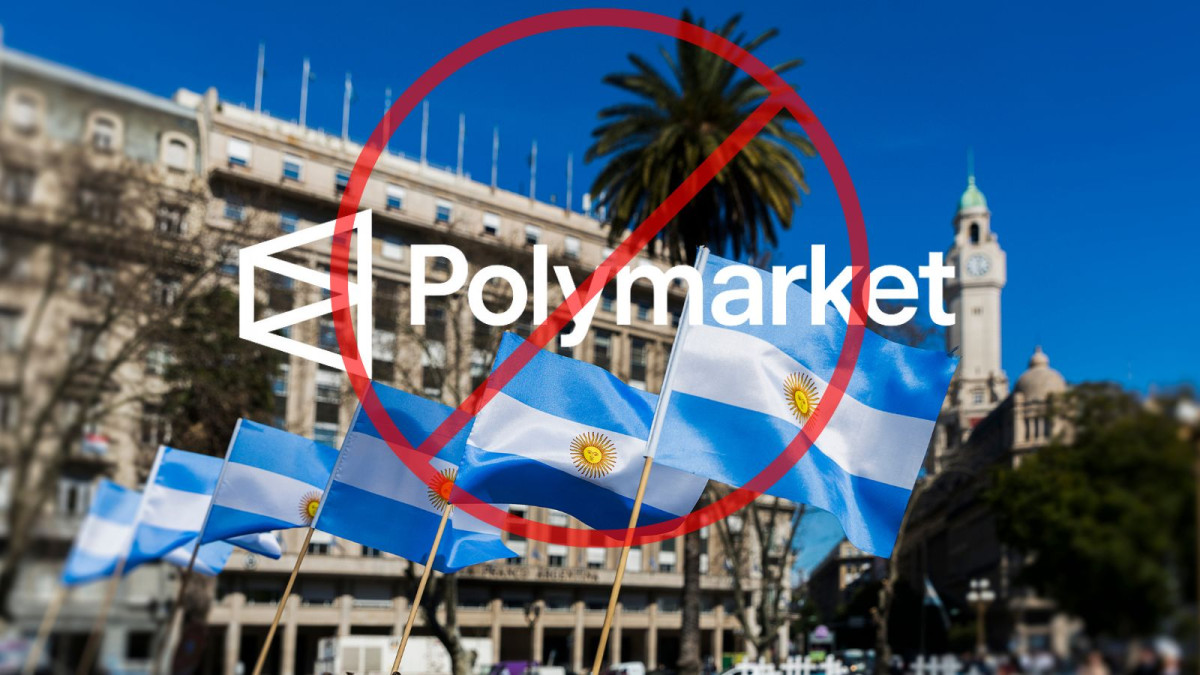
Argentina Blocks Polymarket Over Illegal Gambling

An Argentine court has ordered a nationwide block on the prediction market platform Polymarket over unauthorized gambling activities.
The ruling, issued by the Criminal, Misdemeanor and Offenses Court No. 31 in Buenos Aires, directs the country’s national communications and media regulator, the Ente Nacional de Comunicaciones (ENACOM), to block access to Polymarket and its variants.

In the ruling, Judge Susana Beatriz Parada, the presiding judge of the court, instructed ENACOM to carry out all possible blocking measures, directly, indirectly, or through internet service providers (ISPs), and to promptly inform the court of any obstacles that could prevent full compliance with the ruling.
In addition to the nationwide ban, the court ordered the removal of the Polymarket application from Android and iOS stores, effectively preventing existing users from accessing it.
While the ruling appears severe, it follows an investigation into a complaint filed by the Buenos Aires City Lottery (LOTBA), the government agency responsible for regulating legal gambling activities in Argentina’s capital.
After receiving the complaint, the court, presided over by Judge Susana Parada, instructed Juan Rozas, head of the City’s Specialized Gambling Prosecutor’s Office (FEJA), to conduct an investigation that ultimately led to the decision.
According to Argentine authorities, Polymarket offers features that “significantly increase risks for users.” These include the ability to conduct transactions using cryptocurrencies and credit cards, as well as a lack of identity and age verification, allowing anyone to create an account within minutes.
Authorities say these features raise serious concerns about minors, who can easily access the platform and begin gambling without oversight.
Polymarket and Regional Bans
With this ban, Argentina joins more than 33 countries and regions that have restricted or prohibited the activities of Polymarket, many citing the company’s unlicensed gambling operations.
Colombia was the first South American country to block Polymarket. In late 2025, Coljuegos, the country’s gambling regulator, declared Polymarket’s activities illegal, stating that the company was offering unauthorized online betting.

The Cardano Constitution: Building a Decentralized Future in Buenos Aires
The Cardano Constitution: Building a Decentralized Future in Buenos Aires
The recent gathering in Buenos Aires marked a significant milestone for Cardano, as the global community came together to draft the Cardano Constitution—a framework poised to guide the ecosystem’s decentralized governance. This event was not merely about drafting a document; it was a celebration of the progress, collaboration, and shared vision that define the journey that is Cardano.
The End of the Beginning
“Welcome to the end of the beginning,” opened Charles Hoskinson, the founder of Cardano. His words resonated deeply with the audience, encapsulating the transition from an era of building foundational technologies to one focused on community-led governance. For over a decade, Cardano has evolved through distinct eras, each represented by phases like Byron, Shelley, Goguen, Basho, and Voltaire. With the technical roadmap largely complete, the baton has now been passed to the community to shape the future.
A Dream Realized
The gathering in Buenos Aires was symbolic. Flags from across the globe adorned the venue, representing the diverse nations that contribute to Cardano’s mission. Hoskinson’s reflections emphasized that behind every nation, every building, and every institution, there were founders—individuals who dared to dream and took action. Similarly, Cardano’s journey has been built on the dreams and efforts of its global community.
“It was a dream I had for a long time,” Hoskinson shared. “Everything in the world that we have—this building we stand in, the governments we live under, the languages we speak—had a founder. It came from somewhere, from some idea, big or small.”
Overcoming Challenges Together
Cardano’s evolution has not been without challenges. The past decade saw moments of triumph and setbacks. From the launch of smart contracts to navigating global crises like the COVID-19 pandemic and economic downturns, the ecosystem persevered. Hoskinson candidly reflected on the hurdles, acknowledging both the mistakes made and the lessons learned.
“The antidote to mistakes isn’t pity or deeper self-reflection,” he said. “It’s realizing that in something as complicated as this, the only way forward is to make it everybody’s problem.” This ethos underscores the importance of decentralized governance, where collective intelligence and collaboration drive progress.
The Cardano Constitution: A Collaborative Vision
The drafting of the Cardano Constitution is a pivotal step in the Voltaire era, which focuses on governance and sustainability. This document aims to provide a set of principles and rules that the community can adapt and evolve over time. Unlike traditional systems that rely on centralized decision-making, Cardano’s governance model is built on equality and inclusivity.
“Every person behind those flags could potentially be a person in our ecosystem,” Hoskinson noted. “And all that makes them special can be ours, can be part of this, and make us better.”
The Constitution is not just about establishing rules; it’s about fostering a culture of collaboration, accountability, and innovation. It serves as a reminder that governance is not static but a living, breathing process that evolves with the needs and aspirations of the community.
A Symbol for the Future
The Buenos Aires event highlighted the transformative potential of collective action. Hoskinson drew parallels to historic achievements, such as humanity’s journey from the Wright brothers’ first flight to landing on the moon. These milestones were achieved through collaboration and determination—qualities that define the Cardano community.
“We are truly the stewards of the future,” Hoskinson proclaimed. “If we don’t like the way the world works, we’re not going to complain about it; we’re just going to change it.”
The Road Ahead
While the drafting of the Constitution is a significant achievement, it is only the beginning. The next steps involve onboarding more members, addressing diverse perspectives, and ensuring that the governance model scales effectively. Hoskinson emphasized the importance of continuing this journey with inclusivity and dedication.
“My roadmap’s over; your roadmap has begun,” he concluded. “The Cardano community’s roadmap will be a reflection of the culture that is here and not yet represented. Together, we can keep moving forward and show the world what is possible.”
The Cardano Constitution is more than a document—it is a testament to the power of unity, resilience, and shared purpose. It is a blueprint for a decentralized future, driven by a community determined to make the world a better place.