#Crypto Fraud
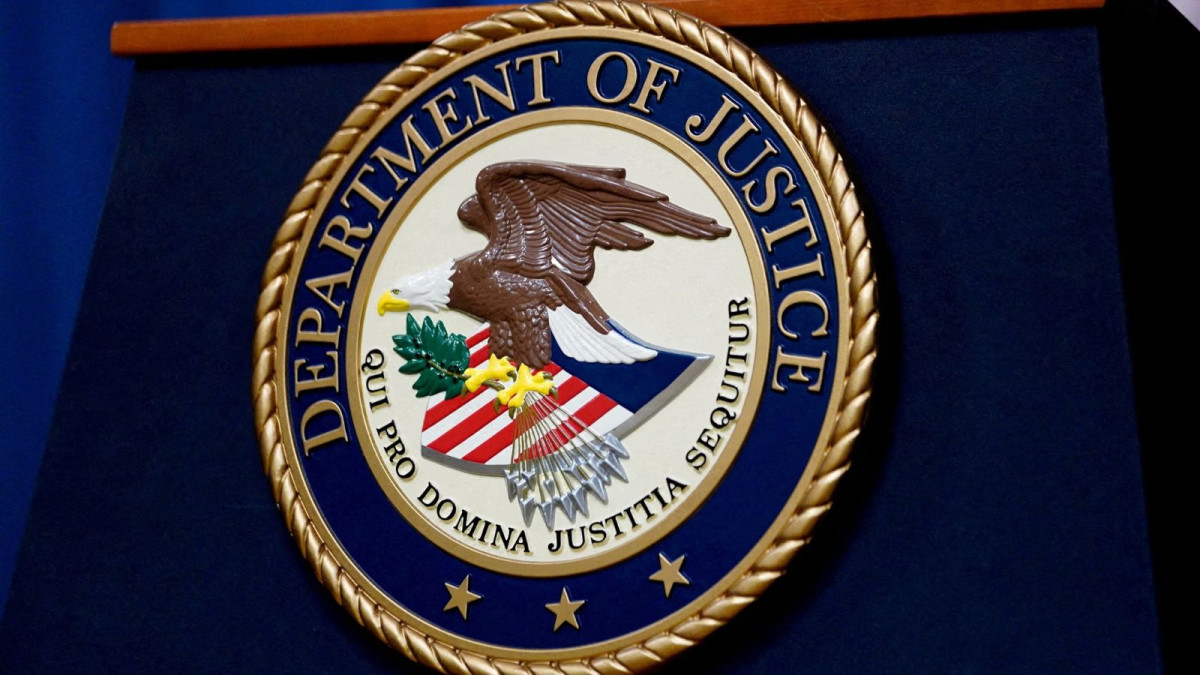
DOJ Launches OneCoin Victim Compensation Program

The U.S. Department of Justice has opened a compensation program for victims of the $4 billion OneCoin crypto fraud, using assets forfeited by the OneCoin project’s architects.
According to a Monday press release, the remission program launched by the U.S. Department of Justice is open to all victims who purchased the fraudulent OneCoin cryptocurrency between 2014 and 2019, with the Criminal Division’s Money Laundering, Narcotics and Forfeiture Section handling the compensation process.
Victims who suffered losses from investing in the fraudulent OneCoin project have been urged to obtain a petition form online at www.onecoinremission.com. Victims may also call, email, or write to the Remission Administrator to request that a petition form be sent to them, and they must do so before the June 30 deadline.
The planned compensation has drawn strong positive comments from the public, with many applauding the Department of Justice for taking this step. Reacting to this news, Jay Clayton, the U.S. Attorney for the Southern District of New York, said his office will continue working to seize criminal proceeds and prioritize returning money to victims.
“With the unwavering support from the Department of Justice, the FBI maintains its commitment to returning these stolen funds to their rightful owners,” said James C. Barnacle Jr, the FBI assistant director in charge of the case.
“Our office will continue its investigative pursuit of these criminal fraudsters, especially in locating Ruja Ignatova, an FBI Top Ten Fugitive, alongside our partners at the Internal Revenue Service Criminal Investigation and the Southern District of New York,” Barnacle added. He also urged the public to provide any information that could lead to the arrest of Ruja Ignatova, OneCoin’s alleged mastermind.
Inside the OneCoin Crypto Fraud
OneCoin was a fraudulent cryptocurrency project founded in 2014 by Ruja Ignatova, often referred to as the Cryptoqueen, alongside Karl Sebastian Greenwood. It was often referred to as the “Bitcoin killer” and was launched and marketed as a simpler, safer, and more accessible alternative to Bitcoin.
Although marketed as a cryptocurrency project, it was far from a legitimate cryptocurrency and was run like a classic Ponzi or pyramid scheme.
Despite the team falsely claiming that it had its own private blockchain and mining facilities in Bulgaria and Hong Kong, OneCoin fell short of being a cryptocurrency, with no decentralized public ledger and it was not tradeable on cryptocurrency exchanges.
Investors also had to buy expensive educational packages priced anywhere between €100 and over €100,000, with some spending up to €225,000 on these packages that were largely plagiarized from Wikipedia and other online content. The more investors spent on these packages, the more OneCoins they purchased, and the more they recruited new members, the higher their commissions.
This continued until the OneCoin marketplace temporarily shut down in early 2016 under the guise of carrying out upgrades and maintenance. The so called upgrade lasted several months, during which Ignatova, the project’s founder, disappeared in 2017.
What followed was a series of raids and arrests targeting the project’s executives, including Sebastian Greenwood, OneCoin’s co founder, Irina Dilkinska, an executive, and Konstantin Ignatov, Ruja’s brother, as well as the seizure of several of the project’s assets.

Image credit: fbi.gov
Ruja Ignatova remains a fugitive and is still on the FBI’s Ten Most Wanted list, with a $5 million reward offered for information leading to her arrest. Europol is also searching for her.
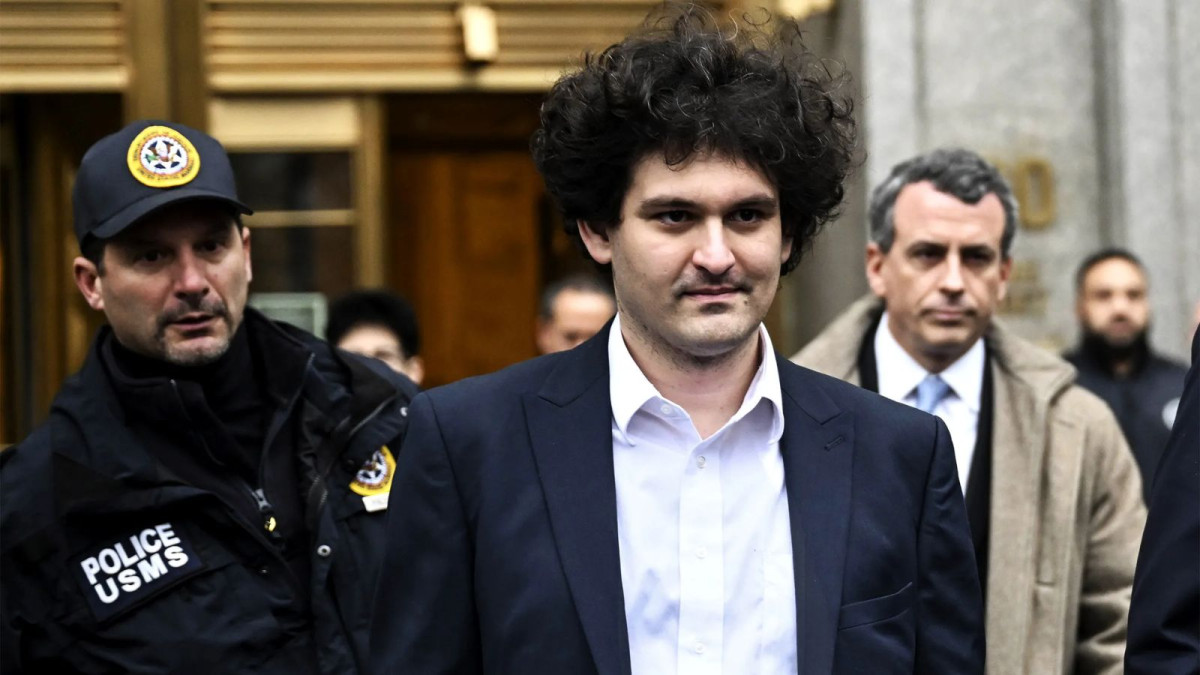
US Prosecutors Oppose Sam Bankman-Fried Retrial Request

Sam Bankman-Fried, the former CEO of the defunct crypto exchange FTX, filed a motion in February seeking a retrial in his case. However, the request is reportedly being opposed by some U.S. prosecutors.
Some U.S. prosecutors have filed a motion in the United States District Court for the Southern District of New York, seeking to block Bankman-Fried’s latest request for a retrial, Bloomberg reports.
According to the prosecutors, Bankman-Fried’s argument that new witnesses could change the outcome of his case does not meet the standard for a retrial. They said the two witnesses he wants to call, Daniel Chapsky and Ryan Salame, both former FTX executives, do not qualify as new witnesses because they were already known to the defense and could have testified at the original trial.
“The defense’s decision not to put the witnesses on his witness list or compel their testimony forecloses any claim that their post-trial views are newly discovered,” prosecutors said.
The prosecutors also rejected Bankman Fried's claim that he was being weaponized by the Department of Justice, calling it "incoherent."
"The defendant was one of the largest Democratic donors in 2020 and 2022, and his campaign finance crimes were in furtherance of making those contributions, so the notion he was targeted for his Democratic politics by the prior presidential administration is fanciful," prosecutors added.
Although the motion has just been filed, the judge has not ruled on whether it will proceed. Nevertheless, this is Bankman-Fried’s third attempt to appeal his case.
Is a Presidential Pardon in Sight?
After President Trump granted a presidential pardon to Changpeng Zhao, founder of Binance, rumors circulated that he might also pardon Sam Bankman-Fried.
Trump, however, has dismissed these rumors in several interviews, stating that he has no plans to pardon Bankman-Fried. Despite this, some online groups continue to speculate about a potential, well-funded effort to secure a pardon.
Until a pardon is issued, Bankman-Fried’s legal options remain limited to filing appeal motions. Otherwise, he must continue serving his 25-year prison sentence on multiple federal charges, including fraud, conspiracy, and money laundering.