#Stellar

MoneyGram Launches MGUSD Stablecoin on Stellar Network

MoneyGram has launched MGUSD, a U.S. dollar pegged stablecoin on the Stellar blockchain network, aimed at facilitating cross border transfers and remittances.
According to MoneyGram, the MGUSD stablecoin is designed to serve non crypto native users, particularly people who regularly move money across borders and those with little or no access to local financial services, including individuals living in high inflation markets.

By launching MGUSD, MoneyGram aims to provide these users with greater financial stability, enabling them to hold and access their dollar denominated MGUSD assets around the clock and convert MGUSD into local currencies whenever they choose, from anywhere in the world and on their own terms.
"The stablecoin market has largely focused on the asset itself. MoneyGram is taking a fundamentally different approach. Starting with our distribution platform, we're using stablecoin as a foundation to build future applications on our global network," said Anthony Soohoo, Chairman and Chief Executive Officer of MoneyGram.
"MGUSD is the stablecoin we built for our customers, for the families sending money home and for the billions of people around the world with limited financial access."
The launch of MGUSD was made possible through partnerships with several companies involved in the project. These include Stellar, which provides the blockchain on which MGUSD is issued; Bridge, a Stripe owned company that serves as the regulated issuer of the stablecoin; M0, which provides the smart contract infrastructure for minting and burning the stablecoin; and Fireblocks, which provides custodial services.
MGUSD will be integrated directly into the MoneyGram app through a self custodial wallet that will allow users to view their dollar denominated balances. Although MGUSD has launched in the U.S. market, MoneyGram said it plans to expand the stablecoin's availability globally.
About MoneyGram
MoneyGram is a global financial services company that provides fast, accessible cross border money transfers, particularly for people with limited access to traditional banking services. Its core mission is to make sending money across borders simple, reliable, and accessible to millions of migrant workers and their families.
In line with this mission, MoneyGram operates one of the world's largest networks, with nearly 500,000 agent locations worldwide and more than 5 billion endpoints. The company serves more than 60 million active users across 200 countries and territories.
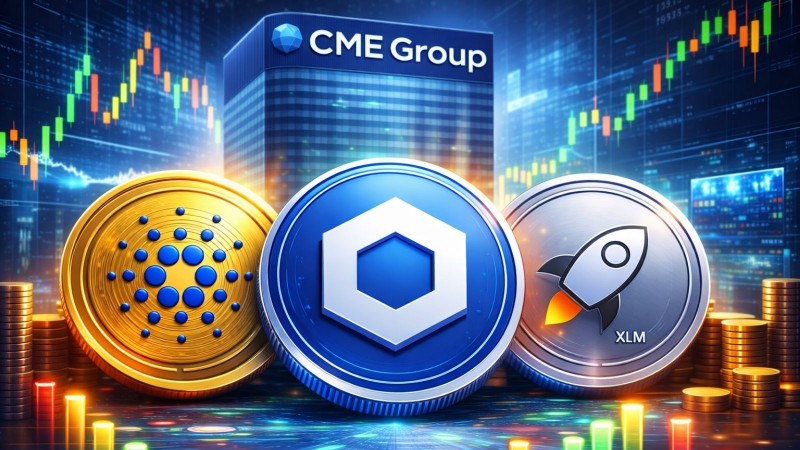
CME Expands Crypto Futures With Cardano, Chainlink, and Stellar
CME Pushes Deeper Into Altcoins With Cardano, Chainlink, and Stellar Futures
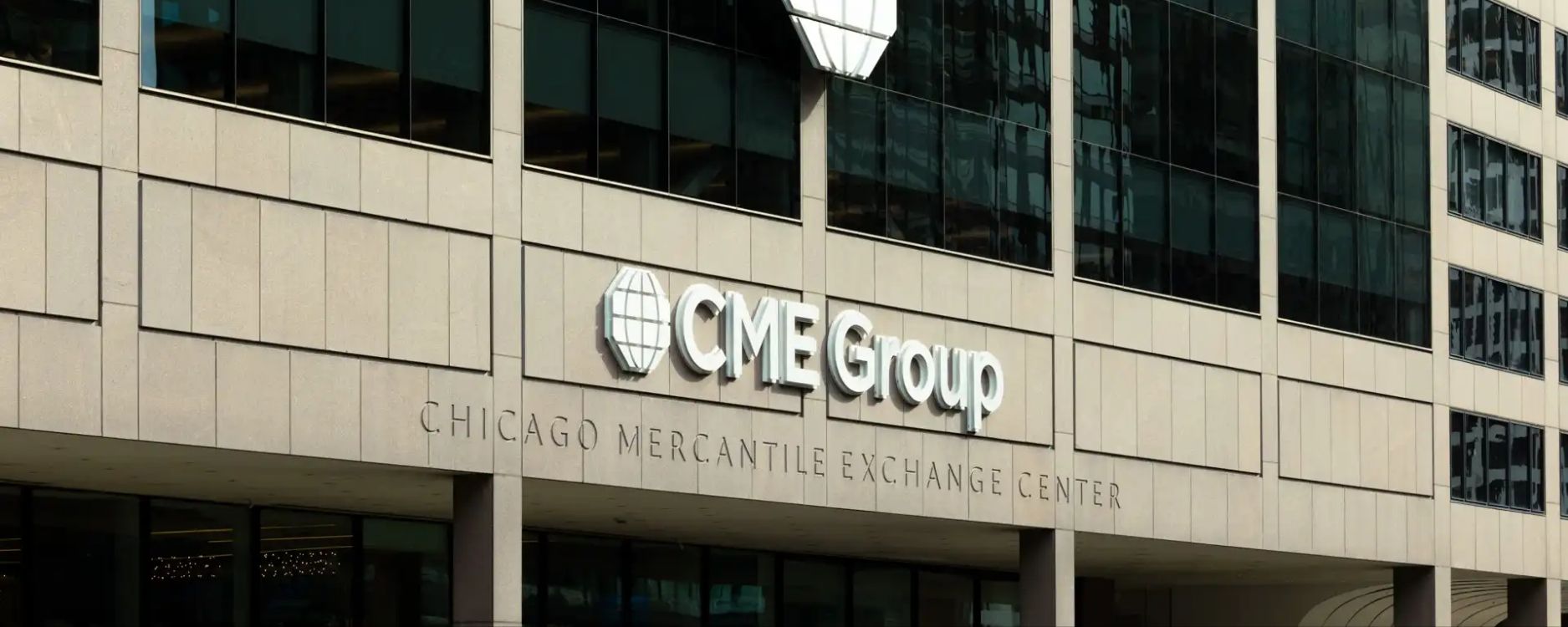
CME Group is continuing its steady march into crypto markets, this time by adding futures tied to Cardano, Chainlink, and Stellar. The move expands the exchange’s growing lineup of regulated digital asset derivatives and signals that institutional interest is no longer confined to Bitcoin and Ether alone.
The new contracts, which are expected to go live in early February pending regulatory signoff, will include both standard and smaller-sized versions. That approach mirrors CME’s recent strategy across crypto products, offering flexibility for large institutions while also lowering the barrier to entry for smaller trading firms and active investors.
For CME, this is less about chasing headlines and more about meeting demand. As crypto markets mature, firms want tools that look and feel familiar. Regulated futures, clear contract specifications, and centralized clearing still matter a great deal to traditional players, especially when volatility remains a defining feature of the asset class.
Why These Tokens Matter
The choice of Cardano, Chainlink, and Stellar is telling. Each represents a different corner of the crypto ecosystem.
Cardano has positioned itself as a research-driven blockchain focused on scalability and governance. Chainlink underpins a huge portion of decentralized finance by supplying real-world data to smart contracts. Stellar has long emphasized cross-border payments and financial inclusion. Together, they reflect how institutional interest in crypto has broadened beyond simple price exposure to Bitcoin.
CME’s contracts will allow traders to hedge or speculate on these networks without touching the underlying tokens. For many institutions, that distinction is critical. Futures provide exposure while avoiding custody, on-chain risks, and operational complexity.
Part of a Larger Derivatives Push
This latest expansion fits neatly into a much bigger picture. Over the past few years, CME has methodically built out its crypto derivatives suite, starting with Bitcoin, then adding Ether, and gradually branching into other high-profile tokens.
The exchange has also leaned heavily into micro contracts, which have proven popular across asset classes. Smaller contract sizes give traders more precision and flexibility, especially in volatile markets where position sizing matters.
Behind the scenes, crypto derivatives volumes at CME have continued to grow, even during quieter periods in the spot market. That suggests the audience for these products is becoming more structural and less driven by short-term hype.
What It Means for the Market
For institutional investors, the arrival of ADA, LINK, and XLM futures adds another layer of legitimacy to altcoin markets. Regulated futures improve price discovery, enable more sophisticated hedging strategies, and make it easier for funds to justify exposure internally.
Retail and professional traders may also benefit indirectly. As liquidity deepens on regulated venues, pricing tends to become more efficient across the broader market. That can reduce fragmentation between offshore platforms and U.S.-regulated exchanges.
There is also a signaling effect. When CME adds a product, it often becomes a reference point for the rest of the industry. Listing a token does not guarantee long-term success, but it does suggest sustained interest and sufficient market depth.
Looking Ahead
CME’s decision to bring Cardano, Chainlink, and Stellar into its derivatives lineup reinforces a clear trend. Crypto markets are no longer just about Bitcoin dominance. Institutions want diversified exposure, and they want it through familiar, regulated instruments.
As more altcoins find their way into traditional market infrastructure, the line between crypto-native and traditional finance continues to blur. For CME, that is likely the point.