#Fraud
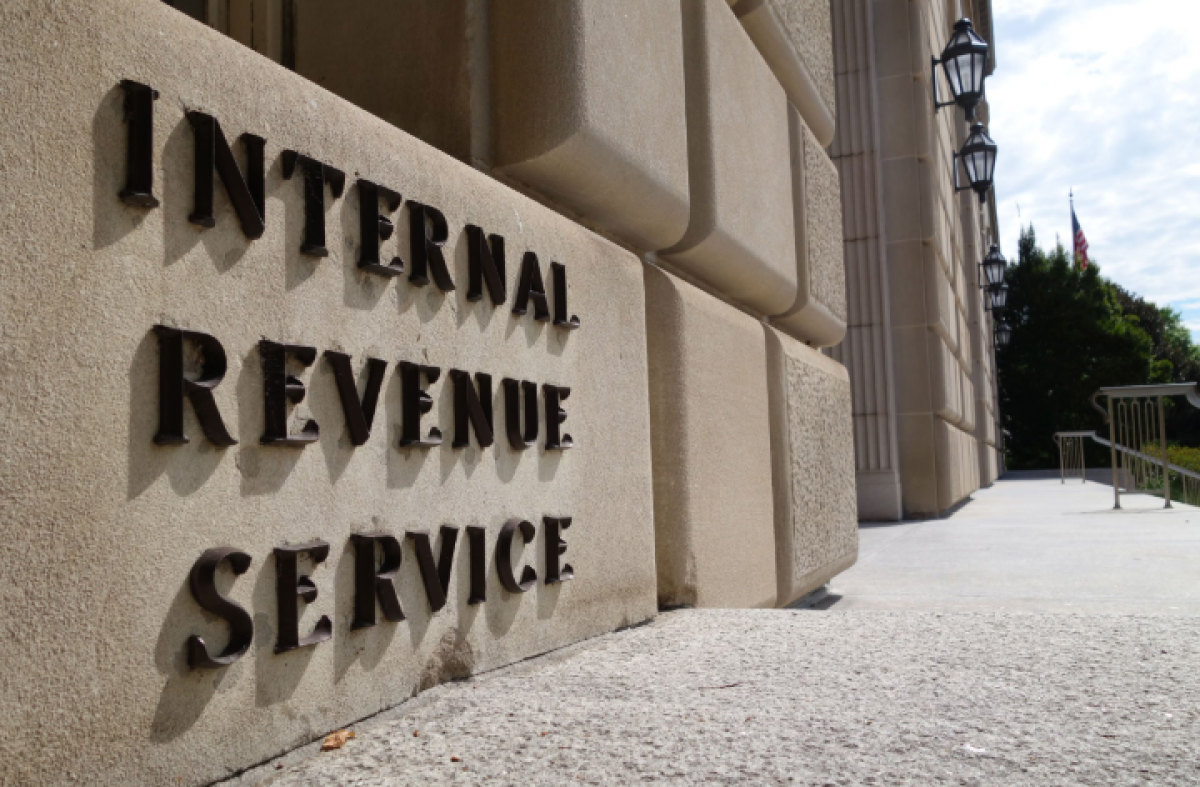
IRS Issues Warning Over Fraud Campaign Targeting Crypto Holders

The U.S. Internal Revenue Service (IRS) has warned of a fraud campaign in which scammers are impersonating the agency and sending fake IRS letters to cryptocurrency holders in an attempt to steal personal credentials and digital assets.
According to the IRS, the fake letters direct unsuspecting recipients to a fraudulent website that closely mimics the official IRS.gov website. Once there, victims are instructed to enrol in a "Digital Asset Compliance Portal" before an urgent deadline.

Image credit: x.com
As part of the enrollment process, the website may ask users for personal information, including cryptocurrency wallet details, exchange account credentials, and other sensitive data that could be used to steal their digital assets.
"Criminals continue to exploit public trust in government agencies by creating convincing fake websites and official-looking correspondence," said IRS Criminal Investigation (IRS-CI) Chief Jarod Koopman. "Before responding to unexpected requests for personal information, stop, verify the source, and report potential fraud schemes to law enforcement."
Regarding the identities of those behind the campaign, the IRS said in a press release that Coinbase and its cyber intelligence partner, Dark Tower, traced the campaign's infrastructure to a domain registered through a Hong Kong registrar, while the fraudulent website was hosted in Romania.
The IRS also outlined several measures to help cryptocurrency holders stay safe, including exercising caution when responding to unsolicited letters, emails, text messages, and phone calls from individuals whose identities cannot be verified.
The IRS remains one of the most frequently impersonated U.S. government agencies by scammers. According to the Treasury Inspector General for Tax Administration, victims reported losses exceeding $114 million from IRS impersonation scams between 2013 and mid-2020.
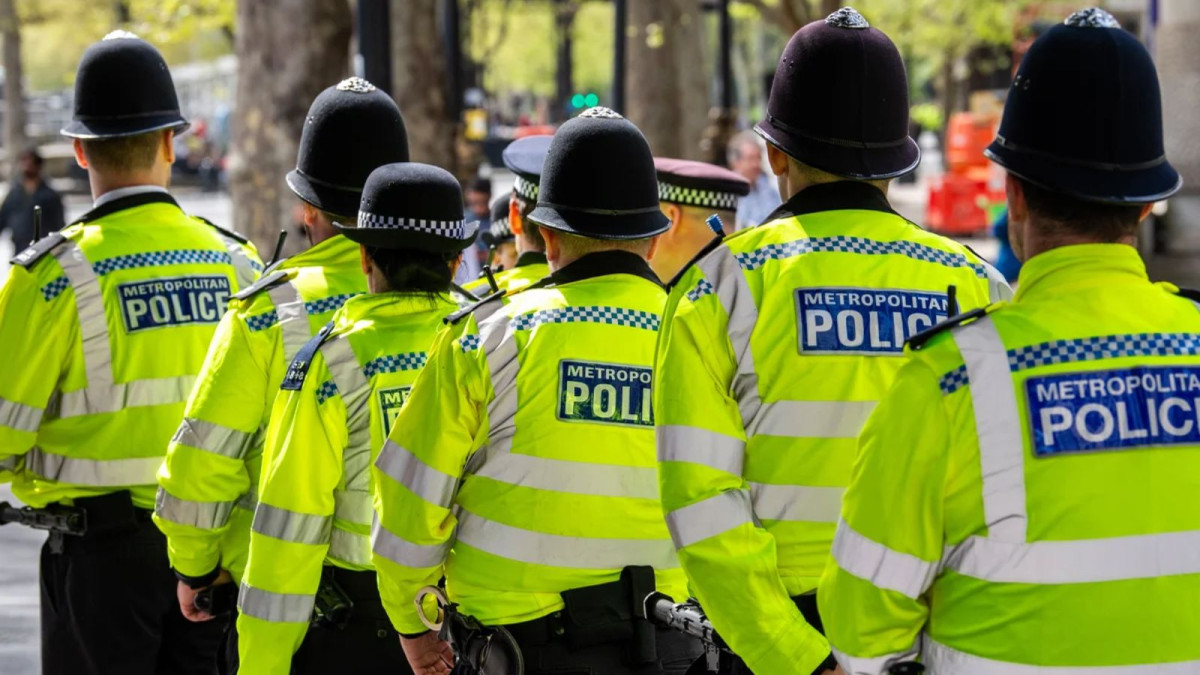
UK Jails Three Over $5.4 Million Crypto Scam

A U.K. court has sentenced three men for impersonating police officers and defrauding eight victims of more than £4 million ($5.4 million) worth of cryptocurrency.
According to the Metropolitan Police, the criminals called their victims, falsely claiming to be police officers and telling them that their crypto assets were at risk. They then persuaded the victims to provide their private credentials, which the trio used to transfer the funds to what the victims believed was a secure police account.
The Metropolitan Police also said the gang was highly organized and even created convincing police websites to deceive victims into believing they were legitimate. After receiving complaints from the victims in January 2025, officers launched an investigation into the case.
During the investigation, authorities identified common aliases, telephone numbers, websites, cryptocurrency wallets, and spending patterns that linked the gang together. Investigators also found that the suspects lived lavish lifestyles, despite one of them reporting an annual income of just £444.
Describing the investigation as highly complex and orchestrated by a group of calculated manipulators, Detective Inspector Geoff Donoghue of the Metropolitan Police's Cryptocurrency Unit said the team painstakingly traced the stolen funds while combining a range of investigative techniques to dismantle the criminal network.
The three men, Anthony Ikenwe, Hamza Bashir, and Kevin Nwamma, were convicted and sentenced at Southwark Crown Court.
Ikenwe, a resident of East Tilbury, was sentenced to six years in prison for conspiracy to commit fraud and five years for money laundering, with the sentences to run concurrently. Bashir, a resident of Wimbledon, was sentenced to three years and nine months for conspiracy to commit fraud and three years for money laundering, with the sentences to run concurrently.
Nwamma, a resident of Watford, was sentenced to six years for conspiracy to commit fraud and five years for money laundering, both sentences to run concurrently.
The sentencing comes around the same time that a court in Taiwan sentenced the founder of the Bitshine cryptocurrency exchange to 22 years in prison for using the platform to carry out a fraud scheme and launder money.
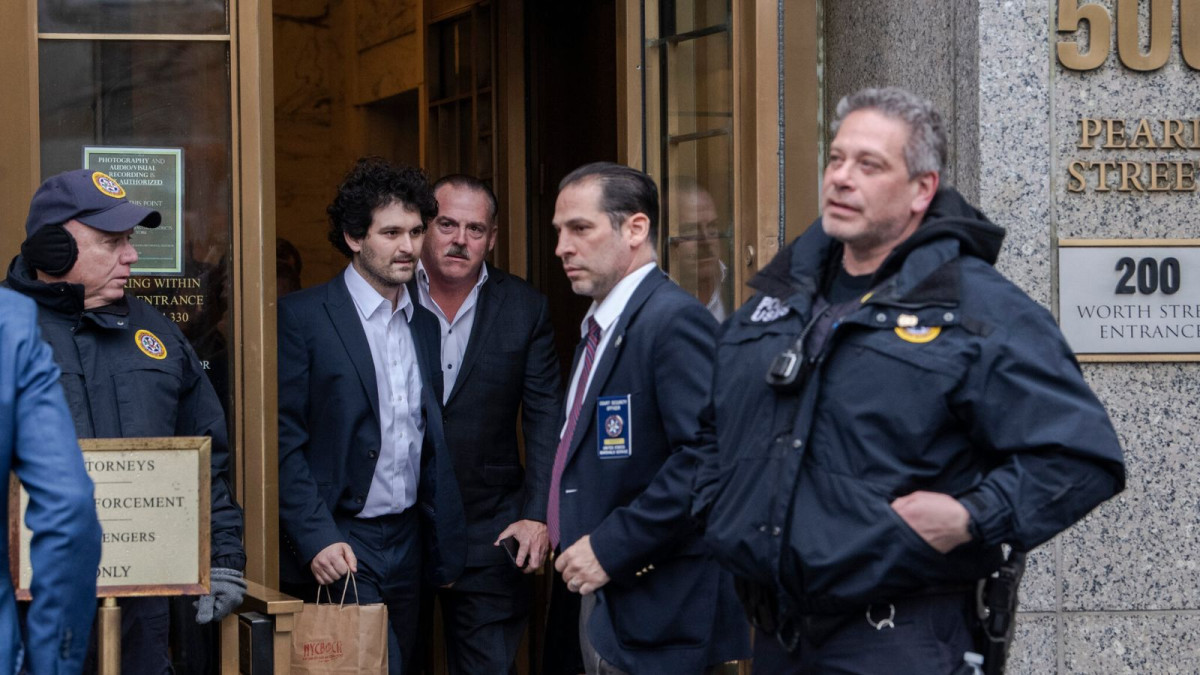
Appeals Court Upholds Sam Bankman-Fried FTX Conviction

A federal appeals court, the U.S. Court of Appeals for the Second Circuit in Manhattan, has upheld the conviction of Sam Bankman-Fried, the founder of the now-defunct FTX cryptocurrency exchange.
Following his conviction on March 28, 2024, Bankman-Fried’s lawyers filed a direct appeal with the U.S. Court of Appeals on April 11, 2024. His legal team argued that the trial was unfair, citing alleged judicial bias by Judge Lewis Kaplan, disputed jury instructions, and other procedural issues.
Through the appeal filing, Bankman-Fried’s legal team sought to overturn the conviction and secure a new trial before a different judge. However, the appeals court rejected the request, stating that there was “robust” evidence supporting the conviction.
“The overwhelming evidence presented at trial proved that Bankman-Fried knowingly and intentionally committed large-scale fraud against FTX’s customers,” Judge Barrington Parker wrote.
“While he was publicly reassuring customers, investors, and regulators that FTX customer funds were safe, he was simultaneously using FTX as his own personal piggy bank, spending customer funds on real estate, political contributions, and investments.”
Following the decision, Bankman-Fried’s legal team has the option of requesting an en banc review, in which all active judges on the Second Circuit would rehear the case. This request must typically be filed within 14 days, although the exact deadline depends on the court’s rules. If the review is denied, his lawyers could petition the U.S. Supreme Court to consider the case.
The appeals court’s rejection of Bankman-Fried’s retrial bid comes shortly after he reportedly filed for a presidential pardon from former President Donald Trump. The request does not seek to shorten or reduce his sentence, but instead aims to restore certain civil rights associated with a felony conviction.
Before the appeals court ruling, Bankman-Fried had filed a request for a new trial in February, arguing that there was newly discovered evidence. However, the request was denied by Judge Lewis Kaplan on April 28, 2026.
The former founder of what was once the world’s largest cryptocurrency exchange is currently serving a 25-year sentence after being convicted on multiple charges, including conspiracy to commit wire fraud, securities fraud, commodities fraud, and money laundering.