#Philippines
Philippines Tightens Crypto Rules, Proposes 12-Month Operator Freeze

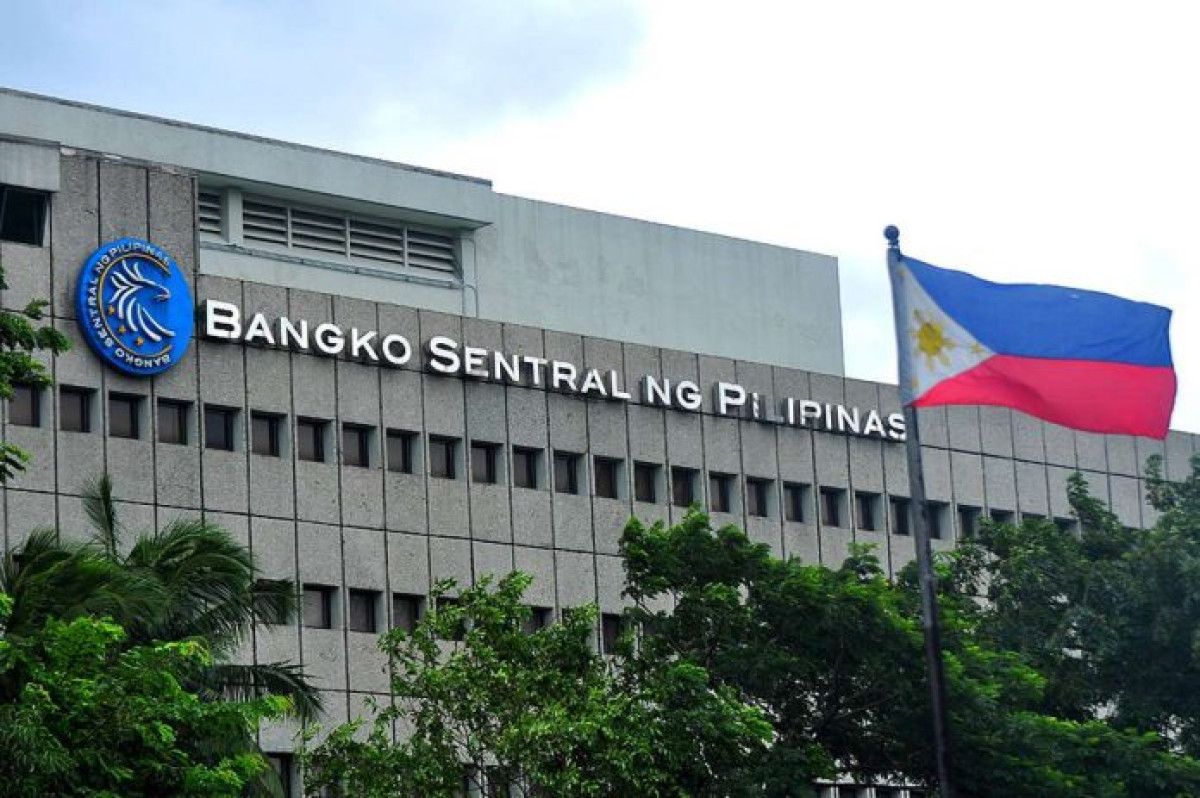
Bangko Sentral ng Pilipinas (BSP), the central bank of the Philippines, has proposed a one-year suspension on the registration of new payment system operators in the country through a draft circular.
The draft, titled “Regulations to Strengthen Integrity Controls in Payment Transactions,” circulated this Monday, is part of the bank’s efforts to make merchant payments, including those involving virtual asset service providers, traceable and to curb fraud and illicit transactions.

According to the BSP, the move is aimed at ensuring a holistic review of the taxonomy and licensing framework for payment system operators, including the associated risk management and regulatory considerations.
The bank also proposed a centralized database for merchants accepting quick response (QR) code payments and stricter controls over payment arrangements involving intermediaries between financial institutions and sellers.
A key requirement proposed by the BSP is for institutions under its supervision to constantly identify the actual merchants behind a payment and the entity to which the payment is made.
If certain information about the payer and payee is missing, inaccurate, or inaccessible, the institution facilitating the payment is expected to reject or suspend the transaction, except in cases involving temporary technical problems covered by documented safeguards approved under its incident management framework.
“A BSP authorized to engage in merchant acquisition shall not process or continue to process a transaction where the merchant cannot be identified or where the transaction cannot be attributed and reconciled to the same merchant,” the BSP said.
Under the proposed rules, the central bank would also bar intermediaries responsible for facilitating transactions from delegating or subcontracting merchant acquisition to another entity, including the addition of another intermediary tier. However, ancillary support services could still be outsourced in accordance with applicable BSP rules.
Binance Officially Enters the Philippines

Binance, the world's largest cryptocurrency exchange by trading volume, has re-entered the Philippines after being designated an unregistered exchange and blocked by the Philippine Securities and Exchange Commission (SEC) in 2024.
Binance's return to the Philippines was made possible through a regulatory sandbox partnership with BlockShoals Technologies Inc., a Philippine-registered fintech company.

Image credit: X.com
Since this is not a fully licensed entry, Binance, under the supervision of the Philippine SEC, will have its infrastructure integrated with BlockShoals for the next 90 days. This will allow the Philippine SEC to monitor Binance's transaction flows, user protection measures, and anti-money laundering controls in a controlled environment before deciding whether to grant broader operating approval.
If Binance meets all compliance requirements after the 90-day testing period, the Philippine SEC may grant the exchange a full operating license. As a result, Filipino retail traders may not see Binance-branded services until at least early October, following the completion of the 90-day testing period.
Binance's sandbox partnership with BlockShoals comes about two years after the Philippine Securities and Exchange Commission, through the National Telecommunications Commission, blocked access to Binance's website and related pages. According to the regulator, Binance was operating without the required license and registration and was offering unregistered securities, which it said posed risks to investors.
Crypto adoption in the Philippines appears to remain strong. According to a Chainalysis report, the country ranked ninth in the Global Crypto Adoption Index, down from second place in 2022. The Philippine crypto market is currently valued at about $55 billion and is projected to reach $120 billion by 2034.
Binance's Other Sandbox Partnerships
This is not the first time Binance has entered a country through a sandbox partnership. In 2022, Binance formed a joint venture with Gulf Innova, a major subsidiary of Thailand's Gulf Energy Development. The partnership resulted in Gulf Innova's transition into Gulf Binance, enabling Binance to secure a full digital asset exchange and broker license from Thailand's SEC.
Binance has also pursued similar sandbox partnerships to enter Dubai and Kazakhstan. It also acquired Sakura Exchange BitCoin, a local Japanese crypto exchange, enabling it to operate in the country without regulatory setbacks.