#Brad Garlinghouse
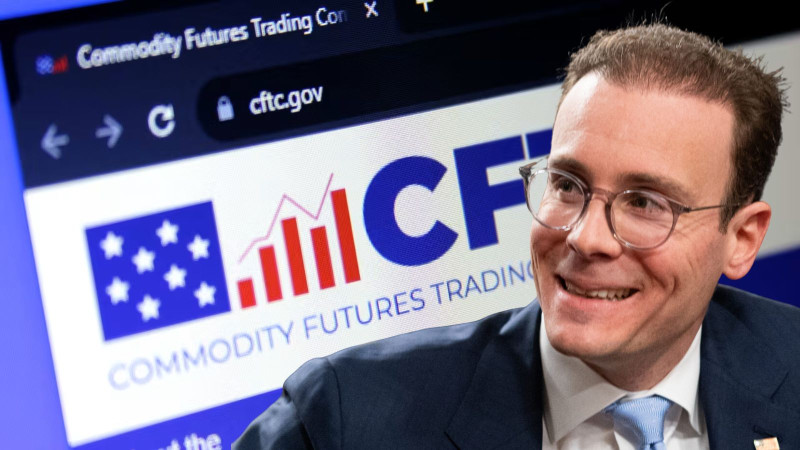
CFTC Names 35 Crypto, Finance Leaders to Advisory Panel

On February 12, 2026, the U.S. Commodity Futures Trading Commission announced the formation of its new Innovation Advisory Committee, a 35 member group that pulls together executives from crypto, traditional finance, venture capital, academia, and market infrastructure.
It is a notable move. Instead of reacting to innovation after the fact, the CFTC is formally bringing industry leaders into the discussion while rules are still being shaped.
The Innovation Advisory Committee is expected to provide input on how emerging technologies such as blockchain infrastructure, tokenization, prediction markets, and artificial intelligence are changing derivatives markets and trading systems. The CFTC oversees futures, options, and swaps markets, and its jurisdiction already touches crypto derivatives. As digital assets integrate further into broader capital markets, that jurisdiction becomes more relevant.
The committee replaces and expands on a prior CEO level advisory structure. This version is broader, more institutional, and clearly designed to give regulators ongoing exposure to how markets are actually functioning on the ground.
For years, digital asset regulation in the United States has felt fragmented and just trying to catch up with a very fast moving industry. This move suggests the CFTC wants to take a more informed path.
In simple terms, regulators want real world feedback before locking in policy decisions.
Full List of Innovation Advisory Committee Members
Here is the complete list of individuals named to the committee.
-
Hayden Adams, CEO, Uniswap Labs
-
Brian Armstrong, CEO, Coinbase
-
Shayne Coplan, CEO, Polymarket
-
Brad Garlinghouse, CEO, Ripple
-
Luke Hoersten, CEO, Bitnomial
-
Tarek Mansour, CEO, Kalshi
-
Kris Marszalek, CEO, Crypto.com
-
Nathan McCauley, CEO, Anchorage Digital
-
Peter Mintzberg, CEO, Grayscale
-
Sergey Nazarov, CEO, Chainlink Labs
-
Arjun Sethi, Co CEO, Kraken
-
Peter Smith, CEO, Blockchain.com
-
Tyler Winklevoss, CEO, Gemini
-
Anatoly Yakovenko, CEO, Solana Labs
-
Andrej Bolkovic, CEO, Options Clearing Corporation
-
Thomas Chippas, CEO, Rothera Markets
-
Professor Harry Crane, Representative
-
Chris Dixon, General Partner, a16z Crypto
-
Craig Donohue, CEO, Cboe Global Markets
-
Terry Duffy, Chair and CEO, CME Group
-
Tom Farley, CEO, Bullish
-
Adena Friedman, Chair and CEO, Nasdaq
-
Christian Genetski, President, FanDuel
-
Frank LaSalla, President and CEO, Depository Trust and Clearing Corporation
-
Walt Lukken, CEO, FIA
-
Scott D. O’Malia, CEO, ISDA
-
Alana Palmedo, Managing Partner, Paradigm
-
Vivek Raman, CEO, Etherealize
-
Professor Carla Reyes, Representative
-
Jason Robins, CEO, DraftKings
-
David Schwimmer, CEO, LSEG
-
Vance Spencer, Co founder, Framework Ventures
-
Jeff Sprecher, CEO, Intercontinental Exchange
-
Vlad Tenev, CEO, Robinhood
-
Don Wilson, CEO, DRW
This blockchain side of the roster includes centralized exchanges, decentralized protocol founders, custody providers, token issuers, and infrastructure builders. It is a who's who of blockchain and a comprehensive cross section of the entire ecosystem. The trad-fi side is just as diverse, representing nealy every aspect of the industry.
What This Signals for U.S. Crypto Policy
First, it reflects a recognition that digital assets are no longer operating in a silo. Crypto markets are tied to derivatives markets, custody infrastructure, clearing systems, and global capital flows. Any serious regulatory framework has to account for those overlaps.
Second, it gives industry leaders a formal channel to weigh in on market structure issues before new rules are finalized. That does not mean the CFTC will simply adopt industry preferences. It does mean discussions are happening in a structured, ongoing way rather than through public disputes or enforcement actions alone, as we have seen in the past.
Third, it may influence how broader legislative efforts evolve. Congress continues to debate how to define digital assets, how to split authority between the CFTC and the SEC, and how to regulate stablecoins and trading platforms. Advisory input from this group could shape technical details that later appear in proposed legislation or rulemakings.
A More Integrated Approach
The presence of executives like Brian Armstrong and Brad Garlinghouse is symbolically important. Both have been vocal about regulatory clarity and jurisdictional boundaries, even pushing back on current wording. Their inclusion suggests the CFTC is still willing to engage directly with major crypto firms and listen to their concerns, rather than keep them at arm’s length.
At the same time, leaders from CME Group, Nasdaq, Intercontinental Exchange, and the Depository Trust and Clearing Corporation bring decades of experience in regulated market infrastructure. That institutional knowledge matters when designing risk controls, margin requirements, reporting standards, and systemic safeguards.
In a way, this committee looks like a snapshot of where finance is headed. Traditional exchanges and decentralized protocols are no longer separate conversations. They are increasingly part of the same system.
Keep in mind that this Innovation Advisory Committee does not create law. It does not replace formal rulemaking. And it does not eliminate enforcement authority.
What it does is formalize dialogue.
By assembling 35 leaders from across crypto and traditional finance, the CFTC is signaling that the next phase of digital asset regulation will likely be shaped through structured proactive engagement rather than reactive policymaking alone.
Whether that leads to clearer rules, better coordination between agencies, or simply more informed debate remains to be seen. But one thing is clear. The regulatory conversation around crypto in the United States just became a lot more interesting.