#KB Kookmin Bank
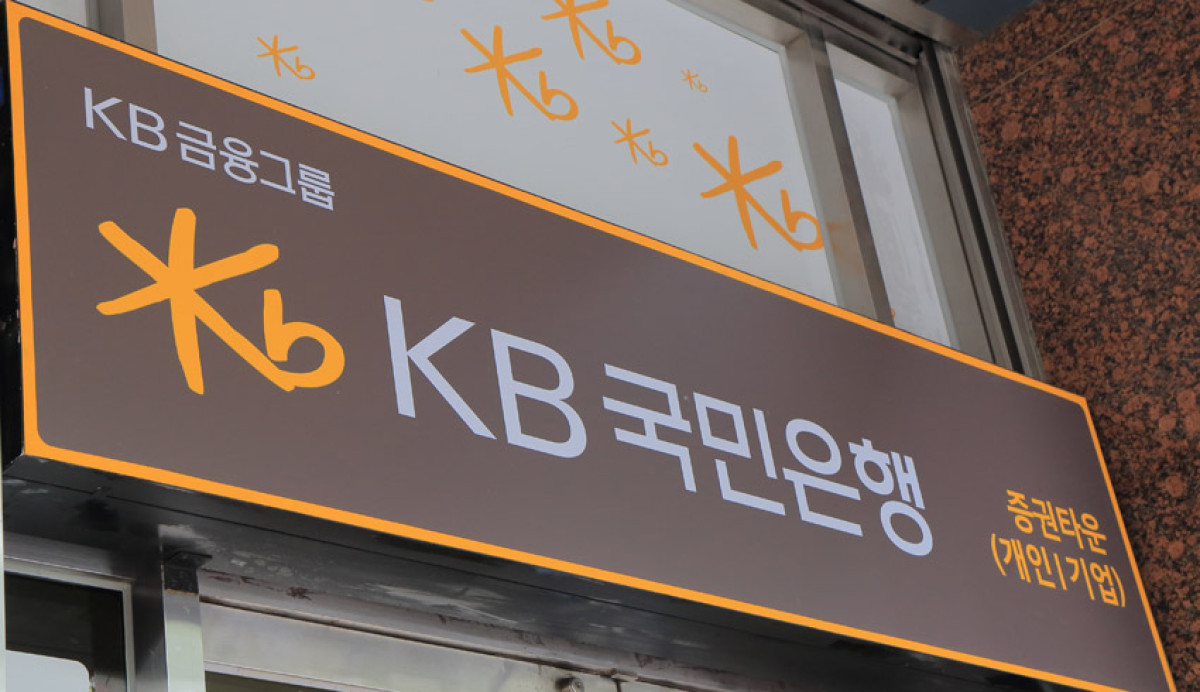
South Korea’s KB Kookmin Bank Taps JPMorgan's Kinexys Blockchain for Cross-Border Payments

South Korea's largest bank, KB Kookmin Bank, has announced that it will launch a blockchain-based corporate payment service on JPMorgan's Kinexys blockchain for import and export companies.
According to Yonhap, a local news agency, the service is being implemented under the "Business Agreement for Blockchain Remittance Services for Cross-Border Payment Innovation" signed by both companies.
With the launch of the service, KB Kookmin customers will be able to make cross-border remittances in about 10 countries, including South Korea, the United States, Singapore, Saudi Arabia, India, Thailand, Qatar, the United Arab Emirates, Bahrain, and South Africa.
Although Kinexys supports multiple currencies, the partnership will initially focus on U.S. dollar-based cross-border remittances, with a possible expansion to additional currencies in the future.
While this is not the first time KB Kookmin has integrated blockchain technology into its financial infrastructure, it is the first South Korean financial institution to use JPMorgan's Kinexys blockchain for corporate payments.
KB Kookmin was also one of the first banks in South Korea to show interest in blockchain technology. In 2016, it signed a memorandum of understanding with crypto platform Coinplug to jointly develop blockchain-based foreign exchange and overseas remittance services.
In 2021, the bank partnered with blockchain venture capital firm Hashed and technology company Haechi Labs to launch Korea Digital Asset, or KODA, an institutional custody platform for digital assets. KODA has remained a market leader, retaining about 80% of South Korea's institutional digital asset custody market.
JPMorgan's Kinexys blockchain continues to gain adoption among major financial institutions, including Qatar National Bank, South Africa's FirstRand Bank, and the National Bank of Bahrain, all of which have adopted the platform for instant cross-border settlements.
Mitsubishi Corporation also adopted Kinexys for its cash management system. According to Kazuyoshi Kawakami, treasurer at Mitsubishi Corporation, the move was intended to strengthen the company's liquidity management framework.