#crypto regulation
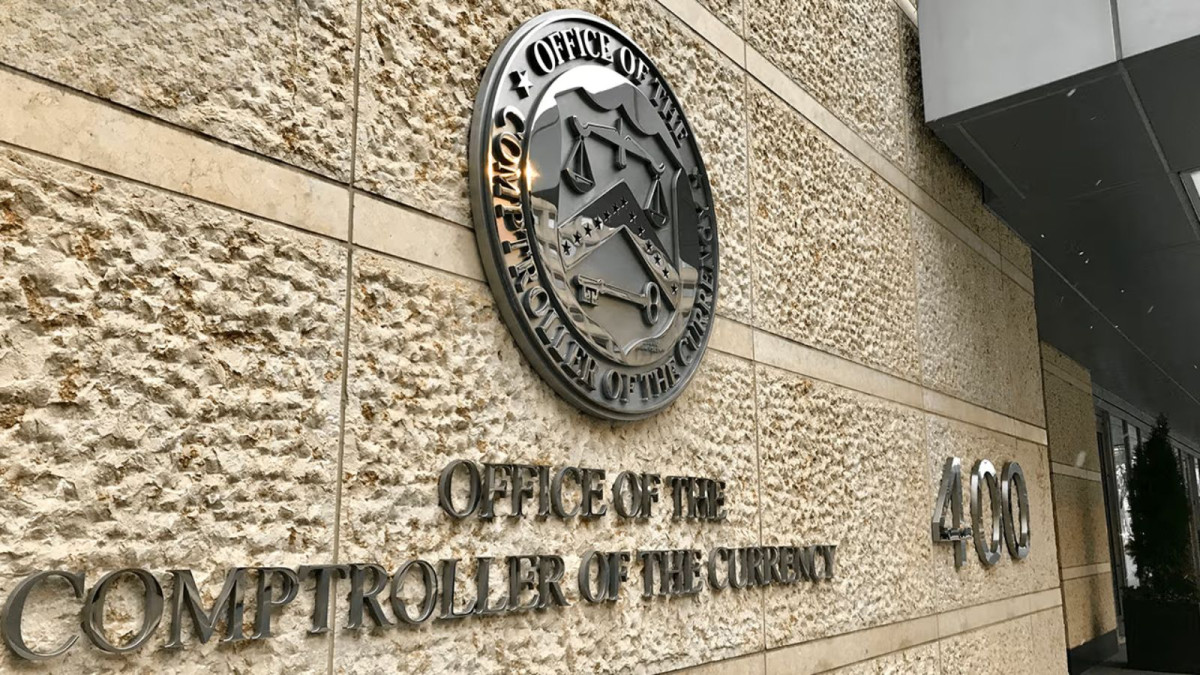
Bastion Receives Conditional Approval for National Trust Bank Charter

Bastion, the stablecoin infrastructure provider for global enterprises and financial institutions, has received preliminary conditional approval from the Office of the Comptroller of the Currency (OCC) to establish a national trust bank.

Following the approval, Bastion, through the Bastion Platforms National Trust Company, will now offer regulated digital asset services under OCC supervision, including stablecoin wallets and custody, payment infrastructure, and white-label issuance.
"Enterprises and financial institutions can now access stablecoins through a federally regulated counterparty, with the controls and oversight they already expect from their banks. We’ve built Bastion for this moment from day one,” said Nassim Eddequiouaq, CEO of Bastion.
With OCC approval now in the bag, enterprise clients and financial institutions can fully access Bastion’s products, including its wallet and issuance services such as minting, redemption, and conversion between stablecoins and fiat, with services that meet required regulatory and compliance standards.
Prior to receiving the conditional charter from the OCC, Bastion had secured a limited purpose trust company charter from the New York State Department of Financial Services, which enabled it to offer certain fiduciary and trust services.
It was during that period that Bastion acquired Dibbs Trust Company, which was eventually renamed Bastion Platforms Trust Company, the entity that is now playing a pivotal role in Bastion’s OCC-regulated fiduciary offerings.
Like Bastion, several other financial institutions have received similar conditional or even full trust charters from the OCC, notably Trump-backed World Liberty Financial, Catena, and Agora.

New EU Rule Puts Crypto Wallet Makers on a 24-Hour Reporting Clock

The European Union has passed a new rule that mandates manufacturers of hardware and software products to report security incidents and exploits within 24 hours of their occurrence.
The rule, which is part of the Cyber Resilience Act (CRA), requires manufacturers, including crypto wallet manufacturers across Europe, to actively provide reports on exploited vulnerabilities and the impact these exploits may have on their products.
Following the submission of an early warning by a manufacturer within 24 hours of a security incident, the manufacturer is also required to submit a full notification to the Computer Security Incident Response Team of the EU Member State where the manufacturer has its main establishment through the Cyber Resilience Act Single Reporting Platform.
Once these initial reports are submitted, the manufacturer must submit a final report no later than 14 days after a corrective or mitigating measure has been made available or implemented. For severe incidents, the report must be submitted within a month.
The new rule became effective on September 11, and according to a press release from the European Union, the ruling is aimed at strengthening the EU’s approach to cybersecurity while also protecting consumers and businesses from cyber threats.
Penalties for Non-compliance
Under Article 64, EU member states can impose penalties ranging from €5 million or 1% of the company’s worldwide annual turnover to as high as €15 million or 2.5% of the company’s annual turnover, depending on whichever option the regulators of that country decide to apply.
Beyond the fines and penalties, EU market surveillance authorities can take corrective or restrictive measures, including requiring products to be brought into compliance, withdrawn from the market, or even recalled.

Australia Deregisters 45 Crypto Firms Amid Regulatory Crackdowns

The Australian Transaction Reports and Analysis Centre (AUSTRAC) has cancelled, suspended, or refused to renew the registrations of 45 remittance and virtual asset service providers (VASPs).
The actions were taken due to several shortcomings identified among these businesses, including a lack of operational capacity, dormancy or inactivity, insolvency, failure to hold the appropriate registration, an inability to provide designated virtual asset services over a prolonged period, and breaches of Australia’s anti money laundering and counter terrorism financing laws.
“Businesses with cancelled registrations can no longer operate and, where appropriate, we’ve referred individuals behind these businesses to law enforcement and regulatory partners locally and overseas,” AUSTRAC CEO Brendan Thomas said.
“Financial crime operates across borders, and we work closely with our domestic and international partners to strengthen the financial system not just in Australia, but globally.”
AUSTRAC Deregisters Getcoins
Among the 45 businesses deregistered by the Australian regulator was Getcoins, an Australian virtual asset service provider operated by BA Digital Ventures Pty Ltd.
Shedding more light on the action, AUSTRAC said the deregistration followed several customer complaints it had received about Getcoins.
Following the complaints, AUSTRAC requested information from Getcoins regarding its operations and to assess the firm’s ability to manage its money laundering risks.
The regulator later concluded that Getcoins had allegedly been exploited by organised cryptocurrency investment scams. By working with the National Anti Scam Centre (NASC) and cancelling Getcoins’ registration, AUSTRAC said it helped disrupt the organised investment scam activity.
AUSTRAC has intensified its scrutiny of the payments, remittance and crypto sectors in recent months due to the heightened money laundering, terrorism financing and other serious crime risks associated with these industries.
The regulator’s recent actions include suspending Cryptolink’s registration, which prevented the company from operating its network of 96 cryptocurrency ATMs, as well as launching an ongoing investigation into Western Union over concerns about its management of high risk payment channels, customers and affiliates.
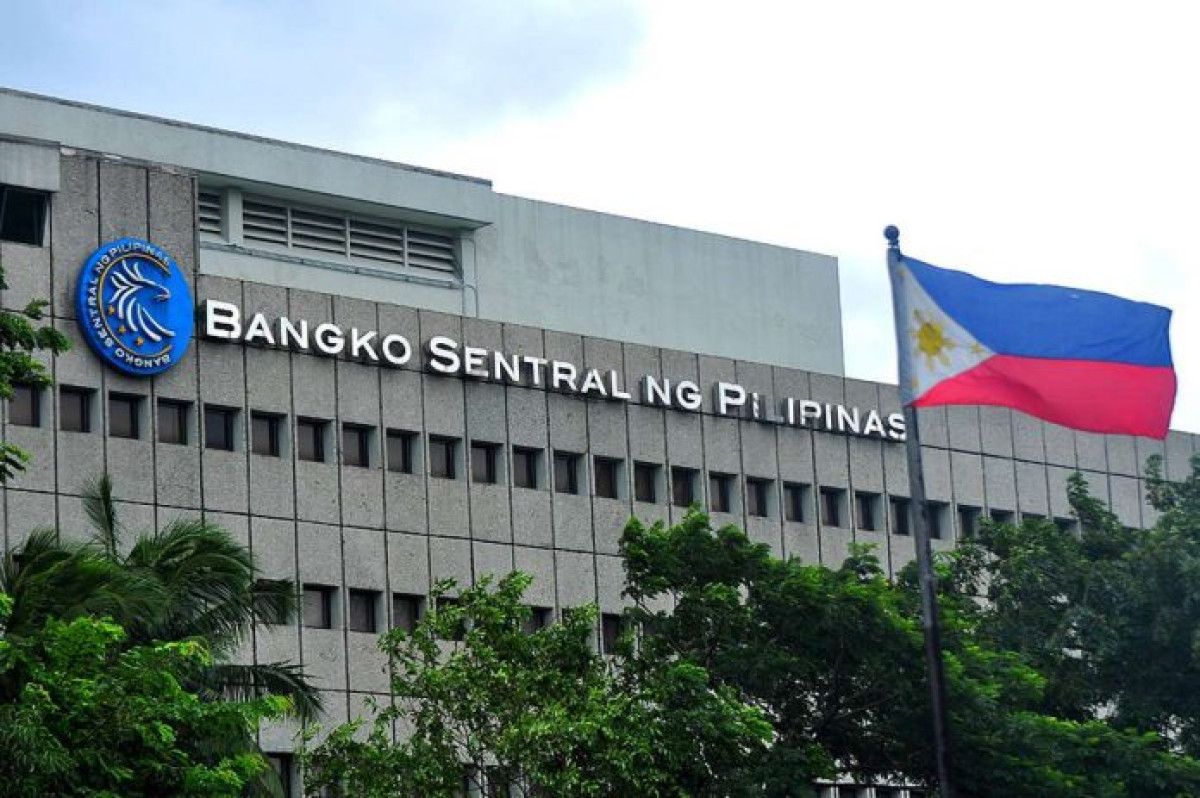
Philippines Tightens Crypto Rules, Proposes 12-Month Operator Freeze

Bangko Sentral ng Pilipinas (BSP), the central bank of the Philippines, has proposed a one-year suspension on the registration of new payment system operators in the country through a draft circular.
The draft, titled “Regulations to Strengthen Integrity Controls in Payment Transactions,” circulated this Monday, is part of the bank’s efforts to make merchant payments, including those involving virtual asset service providers, traceable and to curb fraud and illicit transactions.

According to the BSP, the move is aimed at ensuring a holistic review of the taxonomy and licensing framework for payment system operators, including the associated risk management and regulatory considerations.
The bank also proposed a centralized database for merchants accepting quick response (QR) code payments and stricter controls over payment arrangements involving intermediaries between financial institutions and sellers.
A key requirement proposed by the BSP is for institutions under its supervision to constantly identify the actual merchants behind a payment and the entity to which the payment is made.
If certain information about the payer and payee is missing, inaccurate, or inaccessible, the institution facilitating the payment is expected to reject or suspend the transaction, except in cases involving temporary technical problems covered by documented safeguards approved under its incident management framework.
“A BSP authorized to engage in merchant acquisition shall not process or continue to process a transaction where the merchant cannot be identified or where the transaction cannot be attributed and reconciled to the same merchant,” the BSP said.
Under the proposed rules, the central bank would also bar intermediaries responsible for facilitating transactions from delegating or subcontracting merchant acquisition to another entity, including the addition of another intermediary tier. However, ancillary support services could still be outsourced in accordance with applicable BSP rules.

Tether-Backed Exchange Orionx Shuts Down After $7M Custody Shortfall

Tether-backed Chilean cryptocurrency exchange Orionx has announced its shutdown after a forensic audit confirmed the outflow of more than $7 million from the exchange to wallets not under the company’s control.
Announcing the closure, Orionx said in an official statement that it had filed a complaint with Chile’s Public Prosecutor’s Office against the exchange’s former executives and co-founders, Roberto Zibert and Joaquín Díaz, accusing them of disloyal administration.

In the complaint, the exchange accused its former executives of moving customers’ crypto assets, including Bitcoin, Ether, XRP, and Polygon, between 2018 and 2021. Orionx said the transactions were concealed from the exchange and that the assets were transferred to wallets that did not belong to the company.
Although a breakdown of Deloitte’s $7 million shortfall has yet to be published, several Chilean news outlets, including La Tercera and BioBioChile, reported that the shortfall included $3.93 million worth of Bitcoin, $2.29 million worth of Ether, and approximately $201 worth of Polygon.
Closure Plans
As part of its shutdown plans, Orionx has temporarily suspended withdrawals from the exchange. While the asset closure and restitution plans have already been reported to the relevant authority, the exchange said it would do everything in its power to return as many assets as possible to its clients.
Prior to its closure announcement, Chile’s Financial Market Commission (CMF) rejected Orionx SpA’s application in June to register with the Registry of Financial Service Providers and obtain authorization under the Fintech Law.
Orionx was one of seven companies whose applications were rejected by the CMF due to observations that the companies failed to remedy during the evaluation process, as well as failures to submit the necessary documentation.
.png)
Australia Set to Crack Down on Crypto Businesses as September Deadline Approaches

The Australian Securities and Investments Commission (ASIC) has urged businesses relying on its sector wide no action position for digital assets to apply for an Australian Financial Services (AFS) licence by September 30 or risk being penalized.
The sector wide no action position, which was introduced on October 29, 2025, when ASIC updated its INFO 225 guidance, provided greater clarity on why digital asset businesses operating in the country may need an AFS licence.
Recognizing that several crypto businesses still needed time to understand the new guidelines, ASIC extended the deadline for mandatory AFS licensing from June 30 to September 30.
Although the response from businesses regarding compliance appears to have been positive, with ASIC recording more than 45 applications, the regulator has issued a final reminder to businesses yet to comply with the directive.
According to the regulator, businesses that fail to obtain the required AFS authorization by the September deadline risk breaching the country’s financial laws and could face civil and criminal penalties that could potentially reach 10% of their annual company turnover.
ASIC’s reminder to comply with the new regulatory guidelines comes at a time when the Australian Transaction Reports and Analysis Centre (AUSTRAC), the country’s anti money laundering and counter terrorism financial intelligence unit, is stepping up enforcement against businesses providing regulated virtual asset services without being properly enrolled under Australia’s AML/CTF regime.
So far, about four crypto firms have been suspended, including Cryptolink, whose registration has been withdrawn, while about 96 of its crypto ATMs have been taken down across the country.

Thai Businessmen Sue Tether Over $42M Frozen Crypto Funds

Two Thai businessmen, Nutthawat Rukthammachalern and Natthawat Kasamvilas, have filed a lawsuit against stablecoin issuer Tether over the alleged seizure of $42.4 million worth of USDT.
The lawsuit, which was filed by the plaintiffs this week in the U.S. District Court for the Southern District of New York, challenges the seizure of the crypto funds by the stablecoin issuer, alleging that it was carried out without proper legal backing.
According to the suit filed with the court, the plaintiffs claim that the seizure involved funds held across 10 Ethereum addresses that were blacklisted by Tether. They allege that the blacklist was created solely based on an informal request from a U.S. Homeland Security Investigations (HSI) agent and without a warrant, court order, or other formal legal process.

Defending how the funds were obtained, the plaintiffs claimed that the frozen USDT assets were acquired through secondary market business transactions that had no direct relationship with Tether whatsoever.
Post-seizure Recovery Efforts
After discovering that Tether had frozen the funds October last year, one of the plaintiffs, Natthawat Kasamvilas, emailed the stablecoin issuer to inquire why he could no longer control the funds and asked to regain full custody of them.
However, Kasamvilas claimed that Tether replied by asking him to contact a special agent with Homeland Security Investigations (HSI), whose email address the company provided, while failing to provide a legal basis for the freeze.
Although earlier this year, in February, a U.S. Magistrate Judge in the Eastern District of North Carolina ordered the seizure of $61 million worth of USDT that was reportedly linked to a pig butchering and money laundering scam, the plaintiffs claim that the seizure of their funds occurred months before the judge issued the order. They also allege that Tether continued to earn yield from the frozen assets.

Polymarket Says Surveillance System Ready for U.S. Midterm Trading

Prediction market Polymarket has said it is ready to police trading on its platform, especially as the U.S. midterm elections draw closer.
Confirming its preparedness for the midterm elections, Shana Bautista, Polymarket's global head of investigations and intelligence, told Reuters that the platform is not only ready to surveil midterm trading but is also working to abide by the U.S. Commodity Exchange Act (CEA) of keeping U.S. users off its international platform.
"I'm confident that I'm able to get the resources and the support I need," Bautista told Reuters. "I can tell you that we have the systems in place to be able to identify anomalous activity when the midterms do come."
By reiterating its preparedness for midterm trading, Bautista helps dispel concerns several U.S. lawmakers have long had about the role prediction markets play in insider trading, which they say threatens national security and undermines election integrity.
As part of its surveillance strategy for midterm trading, Polymarket will launch a new web page explaining how it protects market integrity and cooperates with law enforcement.
According to Bautista, this webpage outlines how Polymarket uses machine learning, blockchain analytics, trade surveillance, open source research, and third parties to spot malicious trading and insider activity on the platform.
Although this program being integrated is not entirely new, Bautista said Polymarket will provide an in-depth explanation of how it works.
Efforts to Curb Insider Trading
Polymarket has consistently implemented several measures to curb insider trading and other malicious activities on its platform. Among these measures is its partnership with security firm Chainalysis and Palantir Technologies to implement several multilayered surveillance systems on its platform.
It has also actively worked with law enforcement to prosecute traders involved in malicious trading activities. Notable among these was its work with law enforcement in April this year to prosecute Gannon Ken Van Dyke, a U.S. Army Special Forces soldier who was charged with using classified, nonpublic military information to trade on the platform.
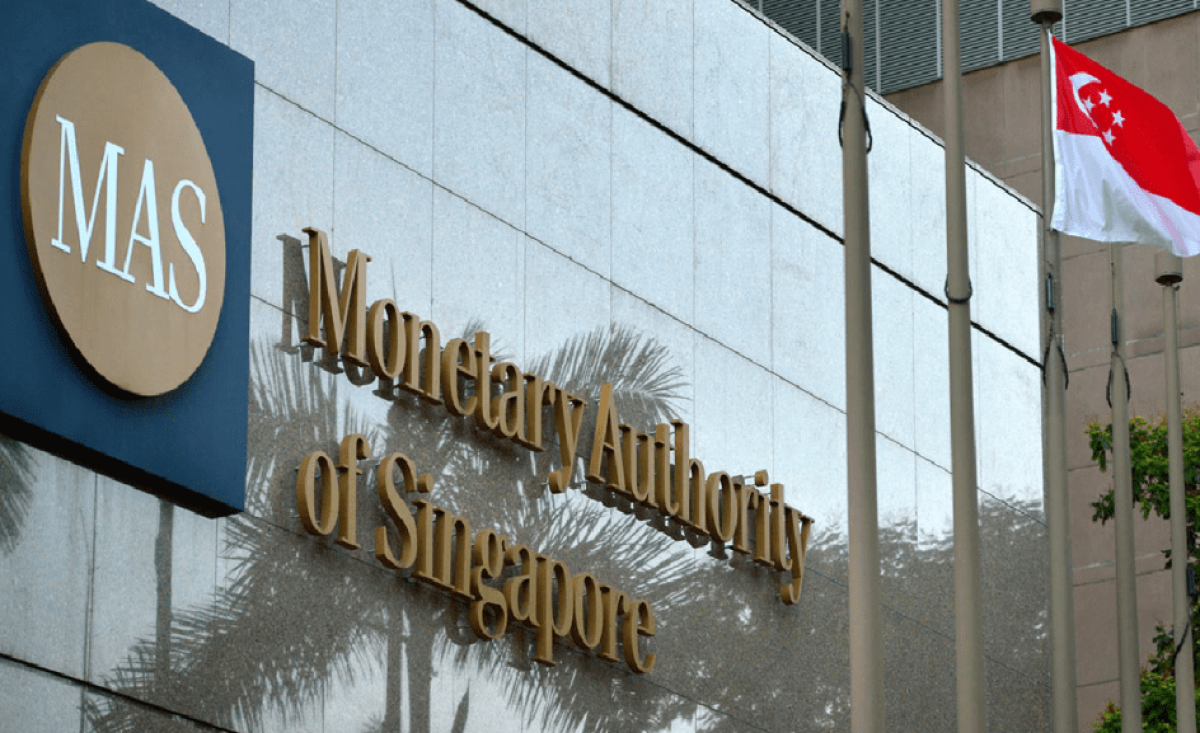
Singapore Commits $173 Million to Boost Fintech Innovation Over Next Three Years

The Monetary Authority of Singapore (MAS) has announced a S$220 million, roughly $173 million, fund aimed at supporting the country’s fintech ecosystem.
The fund, which is part of Singapore’s renewed Financial Sector Technology and Innovation Scheme (FSTI 4.0), aims to strengthen the country’s fintech sector and accelerate innovation and technology adoption across its financial sector.
According to MAS, FSTI 4.0 is designed around four main goals: scaling innovation across Singapore, accelerating financial technology adoption, developing technology infrastructure to support innovation, and supporting talent development.
To support the implementation of FSTI 4.0, MAS said the scheme will be implemented across six tracks covering different areas, including institutional innovation, artificial intelligence adoption, platforms, and talent development.
Singapore has consistently ranked among the leading global fintech hubs. With more than 1,800 fintech companies, the country recorded approximately $2.3 billion in fintech investment in 2025.
Elsewhere in Southeast Asia, Vietnam’s new crypto penalty rules, officially known as Decree No. 284/2026/ND-CP, will take effect on September 1. The decree establishes administrative fines for violations of the country’s crypto asset regulations.
Some of the key provisions include fines of up to VND 200 million, roughly $7,700, for organizations and VND 100 million, roughly $3,800, for individuals who violate the country’s digital asset rules.
Providing crypto asset services or advertising such services without approval from Vietnam’s Ministry of Finance may attract a fine of up to VND 180 million to VND 200 million, roughly $7,000. Meanwhile, domestic investors who trade outside licensed platforms may face fines of VND 30 million to VND 50 million, roughly $1,100 to $1,900.

CFTC Fines Former White House Teleprompter Operator Over Insider Trading

The U.S. Commodity Futures Trading Commission (CFTC) has fined Gabriel Perez, a former White House teleprompter operator, $172,000 over bets on President Trump’s speeches.
In a press release, the CFTC said Perez traded presidential market contracts during his time as a White House teleprompter operator. These contracts are event contracts that reflect words or phrases that the president may use during his speeches.
Due to his position at the White House, Perez had direct access to presidential speeches before they were delivered, allowing him to make more than $107,000 in profits between December 2025 and February 2026.
According to the CFTC, Perez’s actions constituted a breach of his duty of trust and confidence, leading the agency to impose a civil monetary penalty of $65,000 and order him to disgorge the $107,539.02 in profits he made from the unlawful trading.
A three year trading ban was also imposed on him, with the agency stating that Perez agreed to a cease and desist order resolving the violations of the Commodity Exchange Act.
Earlier White House Suspension
Gabriel Perez was a longtime White House teleprompter operator who had worked with President Trump as far back as 2016, during Trump’s first presidential campaign.
However, in March of this year, Kalshi’s surveillance systems flagged unusual trading patterns that did not involve the typical buying and selling behavior of most traders.
Upon investigation, Kalshi discovered that the account was owned by a federal White House teleprompter operator, prompting the prediction market to lock the account, which had generated more than $90,000 in profits, and refer the matter to the CFTC along with the evidence it had uncovered.
Following the allegations, Perez was placed on unpaid administrative leaaave by the White House. According to White House Press Secretary Karoline Leavitt, the allegations were “deeply unfortunate and frankly a disgrace.”
By late July, the White House released a statement saying that Gabriel Perez was no longer working for the federal government.

California Passes Bill That Ban Public Officials From Issuing Memecoins

The California Senate and Assembly have unanimously passed a bill that would restrict public officeholders from issuing memecoin tokens.
The bill, coded AB 2409, was introduced by Assemblymember Avelino Valencia on February 20 this year. It passed the California Senate with a 40-0 vote and the Assembly with a 78-0 vote.
By passing the bill, California lawmakers aim to prevent public officials from using the authority bestowed upon them by virtue of their public positions for personal gain. The bill states that all public officeholders are to exercise their authority solely for the benefit of the people of California.
The bill further states that the issuance or promotion of financial instruments, including memecoins, could undermine public confidence in government and create opportunities for conflicts of interest and pay-to-play arrangements. These arrangements could potentially be exploited by foreign elements seeking to interfere in the affairs of the state.
Although the bill has been passed by lawmakers, enforcement will begin on January 1, 2027. From that date onward, digital asset providers will be prohibited from listing for sale any memecoin linked to a public official or facilitating the purchase of such memecoins by California residents.
To enable enforcement, the bill allows the California attorney general, a district attorney, city attorney, or county counsel to file a civil action against any digital asset service provider.
TRUMP Coin as a Case in Point
Although the TRUMP memecoin profited a relatively small group of people, the losses it caused investors were significant, with approximately $3.2 billion to $3.81 billion in realized and unrealized losses recorded.
According to The New York Times, two-thirds of investors who purchased the TRUMP token ended up underwater, with Nansen projecting that about 988,900 to 1 million wallets out of roughly 1.6 million total wallets were in the red.
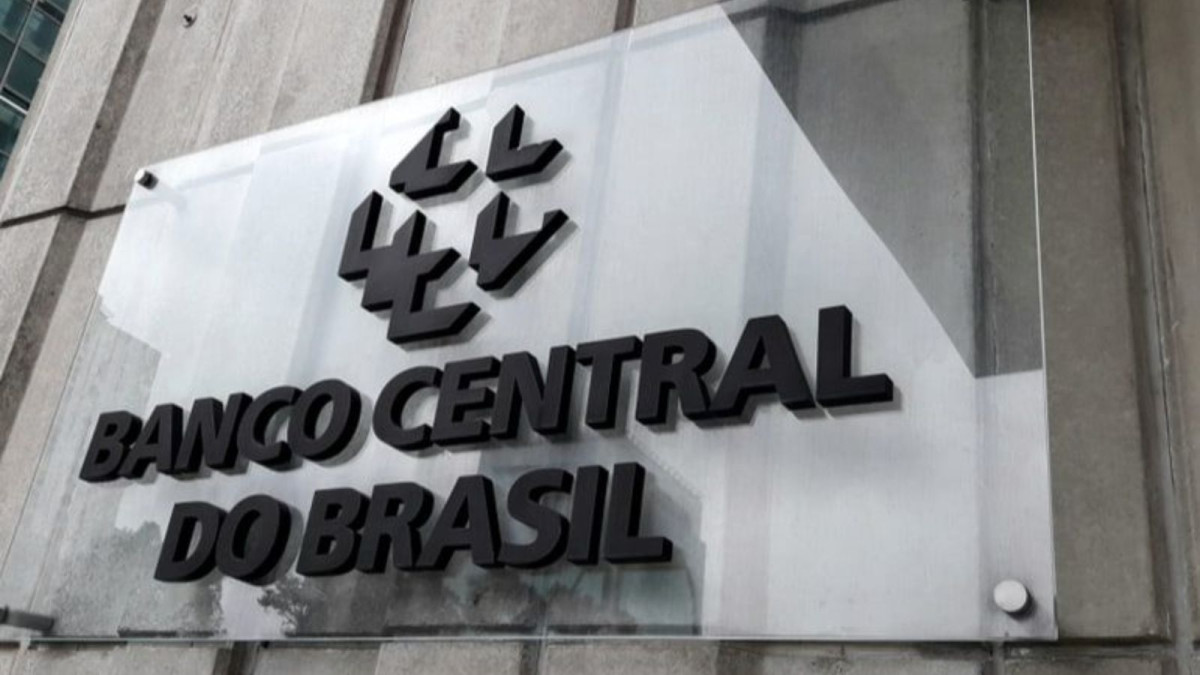
Brazil Deploys Crypto Alert System to Curb Threats to Crypto Assets

Brazil’s central bank has announced plans to implement a system that monitors threats to crypto assets and issues real time alerts when potential risks are detected.
The monitoring system, which is being developed through a partnership between Brazil’s central bank and blockchain security firm Hypernative, has reportedly been tested with market participants and will be implemented by industry associations within the next two weeks.
When launched, either the central bank or Hypernative will be able to receive these alerts and distribute the messages to their members in real time.
Speaking to Valor Econômico, Brazil’s largest financial publication, Regina Pedroso, executive director of the Brazilian Tokenization Association, said the initiative began to be discussed at the end of last year, when the central bank began forming a working group among blockchain associations tasked with monitoring and warning of cyberattacks.
According to Pedroso, the monitoring system was tested among member blockchain associations, including Mercado Bitcoin and Foxbit, two of Brazil’s largest cryptocurrency exchanges. Pedroso also noted that the central bank had already issued a bulletin outlining how the system will be implemented among association members.
The launch of the monitoring system by Brazil’s central bank underscores the country’s efforts to track threats involving crypto assets, particularly because cryptocurrencies can provide an exit rail for cybercriminals and fraudsters.
Although there has not been any major institutional cyberattack in Brazil this year, the country suffered several security incidents last year, most notably the hack of C&M Software, a technology company that connects smaller banks and fintechs to the central bank’s systems.
The hack reportedly led to the loss of approximately $140 million to $180 million, with $30 million to $40 million of the stolen funds reportedly converted into cryptocurrencies, including Bitcoin, Ether, and USDT, through OTC desks and exchanges in the region.