

CME Pushes Deeper Into Altcoins With Cardano, Chainlink, and Stellar Futures
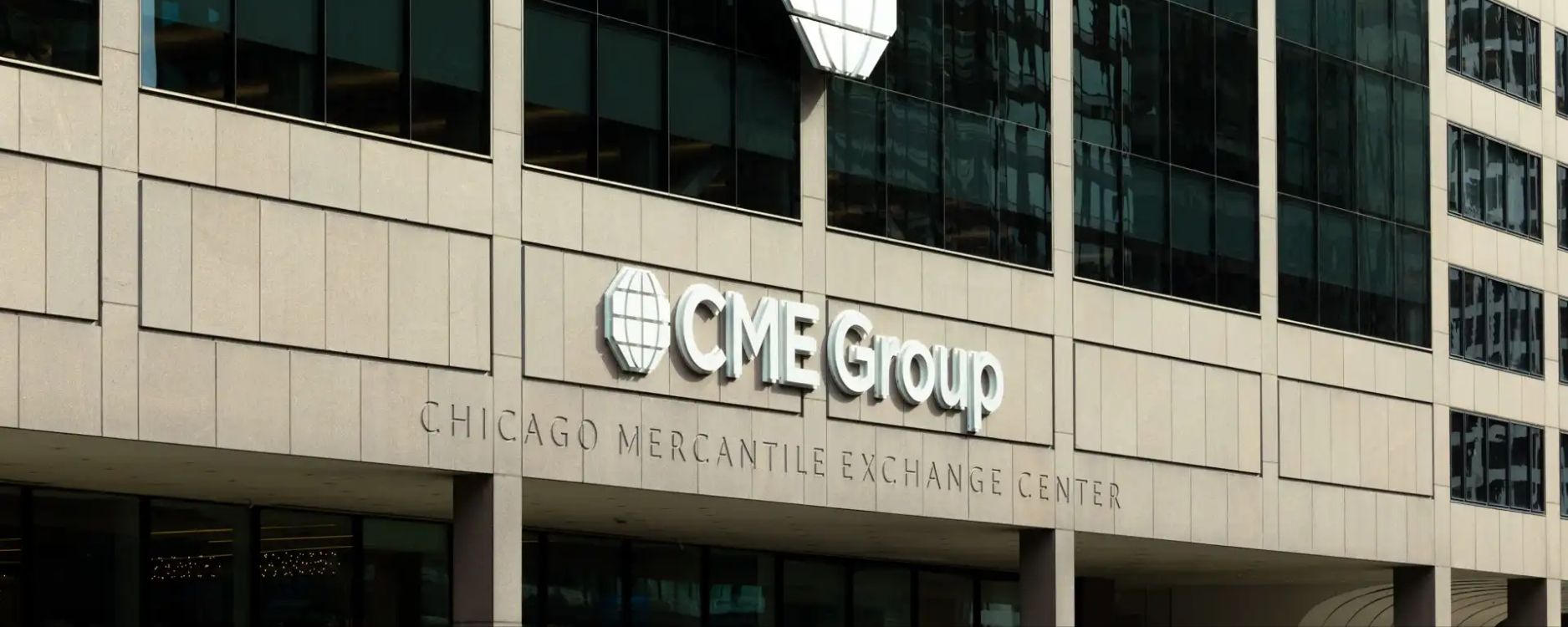
CME Group is continuing its steady march into crypto markets, this time by adding futures tied to Cardano, Chainlink, and Stellar. The move expands the exchange’s growing lineup of regulated digital asset derivatives and signals that institutional interest is no longer confined to Bitcoin and Ether alone.
The new contracts, which are expected to go live in early February pending regulatory signoff, will include both standard and smaller-sized versions. That approach mirrors CME’s recent strategy across crypto products, offering flexibility for large institutions while also lowering the barrier to entry for smaller trading firms and active investors.
For CME, this is less about chasing headlines and more about meeting demand. As crypto markets mature, firms want tools that look and feel familiar. Regulated futures, clear contract specifications, and centralized clearing still matter a great deal to traditional players, especially when volatility remains a defining feature of the asset class.
Why These Tokens Matter
The choice of Cardano, Chainlink, and Stellar is telling. Each represents a different corner of the crypto ecosystem.
Cardano has positioned itself as a research-driven blockchain focused on scalability and governance. Chainlink underpins a huge portion of decentralized finance by supplying real-world data to smart contracts. Stellar has long emphasized cross-border payments and financial inclusion. Together, they reflect how institutional interest in crypto has broadened beyond simple price exposure to Bitcoin.
CME’s contracts will allow traders to hedge or speculate on these networks without touching the underlying tokens. For many institutions, that distinction is critical. Futures provide exposure while avoiding custody, on-chain risks, and operational complexity.
Part of a Larger Derivatives Push
This latest expansion fits neatly into a much bigger picture. Over the past few years, CME has methodically built out its crypto derivatives suite, starting with Bitcoin, then adding Ether, and gradually branching into other high-profile tokens.
The exchange has also leaned heavily into micro contracts, which have proven popular across asset classes. Smaller contract sizes give traders more precision and flexibility, especially in volatile markets where position sizing matters.
Behind the scenes, crypto derivatives volumes at CME have continued to grow, even during quieter periods in the spot market. That suggests the audience for these products is becoming more structural and less driven by short-term hype.
What It Means for the Market
For institutional investors, the arrival of ADA, LINK, and XLM futures adds another layer of legitimacy to altcoin markets. Regulated futures improve price discovery, enable more sophisticated hedging strategies, and make it easier for funds to justify exposure internally.
Retail and professional traders may also benefit indirectly. As liquidity deepens on regulated venues, pricing tends to become more efficient across the broader market. That can reduce fragmentation between offshore platforms and U.S.-regulated exchanges.
There is also a signaling effect. When CME adds a product, it often becomes a reference point for the rest of the industry. Listing a token does not guarantee long-term success, but it does suggest sustained interest and sufficient market depth.
Looking Ahead
CME’s decision to bring Cardano, Chainlink, and Stellar into its derivatives lineup reinforces a clear trend. Crypto markets are no longer just about Bitcoin dominance. Institutions want diversified exposure, and they want it through familiar, regulated instruments.
As more altcoins find their way into traditional market infrastructure, the line between crypto-native and traditional finance continues to blur. For CME, that is likely the point.